TV-Series
Description
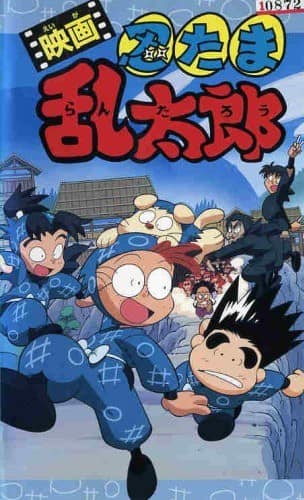
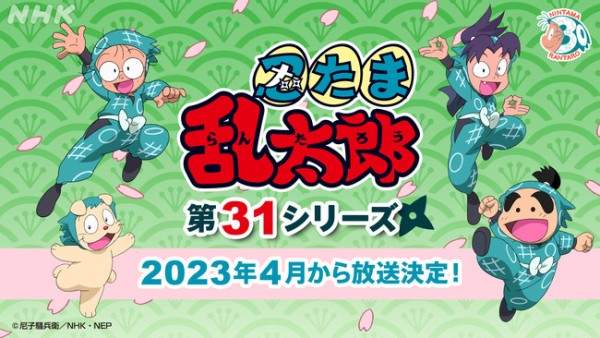
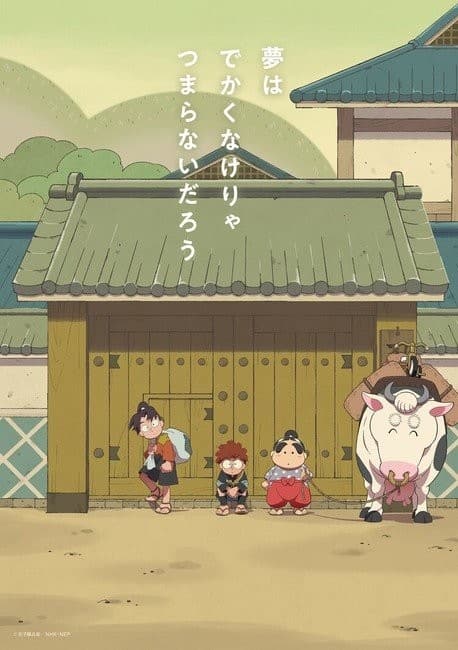
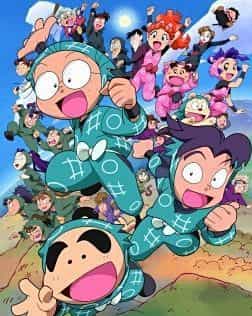
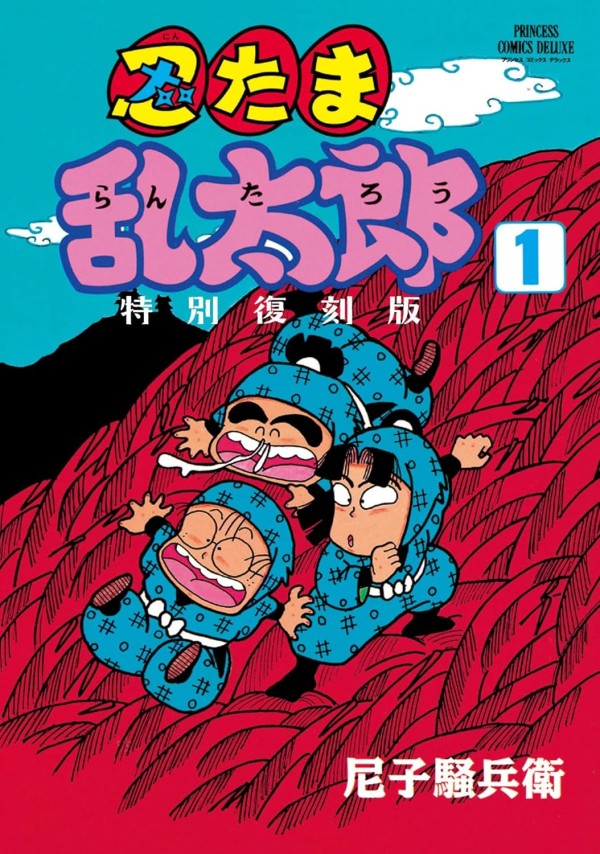
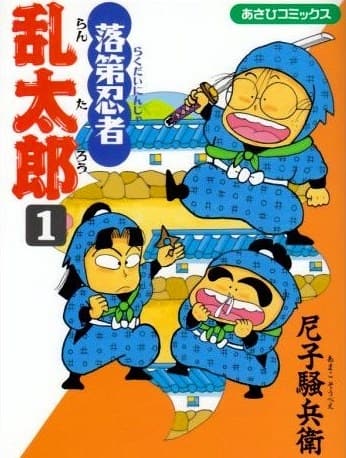
"Nintama Rantaro" is a long-running anime series set in a fictional ninja academy during Japan's Sengoku period. The story revolves around the daily lives and misadventures of young ninja-in-training, primarily focusing on Rantaro, Shinbei, and Kirimaru, who are first-year students at the Ninjutsu Academy. The academy is a place where children from various backgrounds come to learn the skills necessary to become skilled ninjas, though the students often find themselves more preoccupied with comedic antics and personal struggles than rigorous training.
Rantaro, the titular character, is a cheerful and somewhat clumsy boy who dreams of becoming a great ninja despite his lack of natural talent. Shinbei, his best friend, is the son of a wealthy family and often provides comic relief with his laziness and love for food. Kirimaru, the third member of the trio, is serious and hardworking, often acting as the voice of reason among the group. Together, they navigate the challenges of ninja training, which include mastering traditional ninja techniques, solving problems, and dealing with rival students and eccentric teachers.
The series is episodic, with each episode typically featuring a self-contained story that highlights the students' attempts to overcome obstacles, whether it be passing a difficult exam, outsmarting their rivals, or simply surviving the chaotic environment of the academy. The humor is often derived from the contrast between the students' youthful innocence and the absurdity of their ninja training, which includes everything from stealth missions to bizarre competitions.
Supporting characters include a wide array of classmates, teachers, and occasional antagonists. Notable figures include Doi-sensei, the strict but caring head teacher, and the upperclassmen who often serve as rivals or mentors to the younger students. The series also occasionally delves into the backstories of its characters, providing depth to their motivations and relationships.
While the primary focus is on comedy and lighthearted moments, "Nintama Rantaro" occasionally touches on themes of perseverance, friendship, and the importance of hard work. The setting, though historical, is largely used as a backdrop for the humor and character interactions rather than a serious exploration of the Sengoku period. The series maintains a consistent tone of playful absurdity, making it accessible to a wide audience, particularly younger viewers.
Rantaro, the titular character, is a cheerful and somewhat clumsy boy who dreams of becoming a great ninja despite his lack of natural talent. Shinbei, his best friend, is the son of a wealthy family and often provides comic relief with his laziness and love for food. Kirimaru, the third member of the trio, is serious and hardworking, often acting as the voice of reason among the group. Together, they navigate the challenges of ninja training, which include mastering traditional ninja techniques, solving problems, and dealing with rival students and eccentric teachers.
The series is episodic, with each episode typically featuring a self-contained story that highlights the students' attempts to overcome obstacles, whether it be passing a difficult exam, outsmarting their rivals, or simply surviving the chaotic environment of the academy. The humor is often derived from the contrast between the students' youthful innocence and the absurdity of their ninja training, which includes everything from stealth missions to bizarre competitions.
Supporting characters include a wide array of classmates, teachers, and occasional antagonists. Notable figures include Doi-sensei, the strict but caring head teacher, and the upperclassmen who often serve as rivals or mentors to the younger students. The series also occasionally delves into the backstories of its characters, providing depth to their motivations and relationships.
While the primary focus is on comedy and lighthearted moments, "Nintama Rantaro" occasionally touches on themes of perseverance, friendship, and the importance of hard work. The setting, though historical, is largely used as a backdrop for the humor and character interactions rather than a serious exploration of the Sengoku period. The series maintains a consistent tone of playful absurdity, making it accessible to a wide audience, particularly younger viewers.
Comment(s)
Relations
Anime overview