OVA
Description
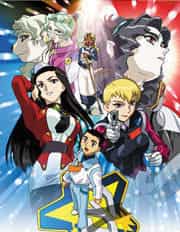
"Amazing Nuts!" is a short anime series consisting of four distinct episodes, each presenting a self-contained story with unique characters and settings. The series blends elements of comedy, action, and surrealism, often incorporating exaggerated and absurd scenarios. The narrative structure is episodic, with no overarching plot connecting the episodes, allowing each story to stand independently.
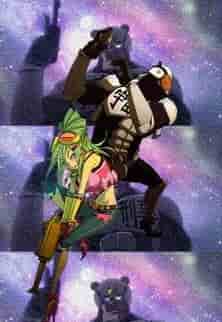
The first episode, "Space ShowTime," centers on a group of anthropomorphic animals who are part of a traveling circus in space. The characters, including a rabbit, a bear, and a bird, perform bizarre and chaotic acts while navigating the challenges of their interstellar journey. The story is marked by its fast-paced, nonsensical humor and vibrant, chaotic energy.
In the second episode, "Kigurumikku V3," the focus shifts to a futuristic world where humans pilot giant robotic suits called Kigurumikku. The protagonist, a young girl named Rinko, becomes embroiled in a high-stakes battle against a rival faction. The episode combines mecha action with comedic undertones, emphasizing the absurdity of the giant robot battles and the eccentric personalities of the characters.
The third episode, "Hoshi no Umi no Amuri," takes a more fantastical approach, following a young girl named Amuri who lives in a world where the ocean and stars coexist. Amuri embarks on a journey to save her world from an impending catastrophe, encountering strange creatures and surreal landscapes along the way. This episode leans heavily into dreamlike visuals and metaphorical storytelling.
The final episode, "Kigurumikku V3: The Second Coming," revisits the world of the Kigurumikku suits, introducing new characters and escalating the conflict between factions. The story maintains the same blend of action and humor as the previous Kigurumikku episode, with a focus on over-the-top battles and quirky character interactions.
Each episode of "Amazing Nuts!" is characterized by its distinct visual style, rapid pacing, and unconventional storytelling. The series does not aim for narrative cohesion but instead embraces its episodic nature, offering a variety of tones and themes across its runtime. The characters, while often exaggerated and eccentric, serve as vehicles for the series' comedic and surreal elements, contributing to its overall sense of unpredictability and creativity.
The first episode, "Space ShowTime," centers on a group of anthropomorphic animals who are part of a traveling circus in space. The characters, including a rabbit, a bear, and a bird, perform bizarre and chaotic acts while navigating the challenges of their interstellar journey. The story is marked by its fast-paced, nonsensical humor and vibrant, chaotic energy.
In the second episode, "Kigurumikku V3," the focus shifts to a futuristic world where humans pilot giant robotic suits called Kigurumikku. The protagonist, a young girl named Rinko, becomes embroiled in a high-stakes battle against a rival faction. The episode combines mecha action with comedic undertones, emphasizing the absurdity of the giant robot battles and the eccentric personalities of the characters.
The third episode, "Hoshi no Umi no Amuri," takes a more fantastical approach, following a young girl named Amuri who lives in a world where the ocean and stars coexist. Amuri embarks on a journey to save her world from an impending catastrophe, encountering strange creatures and surreal landscapes along the way. This episode leans heavily into dreamlike visuals and metaphorical storytelling.
The final episode, "Kigurumikku V3: The Second Coming," revisits the world of the Kigurumikku suits, introducing new characters and escalating the conflict between factions. The story maintains the same blend of action and humor as the previous Kigurumikku episode, with a focus on over-the-top battles and quirky character interactions.
Each episode of "Amazing Nuts!" is characterized by its distinct visual style, rapid pacing, and unconventional storytelling. The series does not aim for narrative cohesion but instead embraces its episodic nature, offering a variety of tones and themes across its runtime. The characters, while often exaggerated and eccentric, serve as vehicles for the series' comedic and surreal elements, contributing to its overall sense of unpredictability and creativity.
Episodes
Staffel 1
1Global Astroliner Number
2Glass Eye
3Kung-Fu Love
4Joe and Marilyn
Comment(s)
Staff
- DirectorDaisuke NakayamaYasuhiro AokiTakashi Yamashita
- Character DesignYasuhiro Aoki
- Musicm-floMinkRAM RIDERKumi Kōda
- Animation DirectorYasuhiro Aoki
Production
- ProductionStudio 4°C
Relations
Recommendations based on shared tags.