
TV-Series
Description
"Manga Nihon Emaki" is an anime series that adapts traditional Japanese folklore and historical tales into a visually engaging format. The narrative is episodic, with each episode presenting a self-contained story drawn from Japan's rich cultural heritage. The series blends elements of mythology, history, and fantasy, often featuring supernatural beings, legendary heroes, and moral lessons.
The stories span a wide range of themes, from the exploits of samurai and mythical creatures to the lives of ordinary people encountering extraordinary events. One recurring motif is the interaction between humans and the spirit world, with yokai (supernatural entities) playing significant roles in many episodes. These tales often explore themes of honor, loyalty, and the consequences of human actions, reflecting the values and beliefs of historical Japan.
Key characters vary by episode, as the series does not follow a single protagonist. Instead, it highlights different figures from Japanese folklore and history, such as the cunning fox spirit kitsune, the vengeful spirits of the dead, or legendary warriors like Minamoto no Yoshitsune. Each character is intricately tied to the cultural context of their story, providing insight into the traditions and societal norms of the time.
The plot structure is straightforward, with a focus on storytelling rather than complex character development. Episodes often begin with a problem or conflict, such as a village plagued by a malevolent spirit or a samurai seeking redemption for past misdeeds. The resolution typically involves a blend of bravery, wisdom, and supernatural intervention, reinforcing the moral or cultural lesson at the heart of the tale.
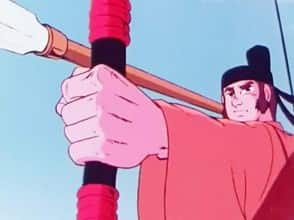
Visually, the series employs a style reminiscent of traditional Japanese art, with fluid animation and designs that evoke the aesthetic of historical emaki (picture scrolls). This artistic choice enhances the connection to the source material, creating a sense of authenticity and immersion in the historical and mythological settings.
Overall, "Manga Nihon Emaki" serves as a gateway to Japanese folklore and history, presenting timeless stories in a format that is both accessible and engaging. Its episodic nature allows viewers to experience a diverse array of tales, each offering a glimpse into the cultural and spiritual fabric of Japan.
The stories span a wide range of themes, from the exploits of samurai and mythical creatures to the lives of ordinary people encountering extraordinary events. One recurring motif is the interaction between humans and the spirit world, with yokai (supernatural entities) playing significant roles in many episodes. These tales often explore themes of honor, loyalty, and the consequences of human actions, reflecting the values and beliefs of historical Japan.
Key characters vary by episode, as the series does not follow a single protagonist. Instead, it highlights different figures from Japanese folklore and history, such as the cunning fox spirit kitsune, the vengeful spirits of the dead, or legendary warriors like Minamoto no Yoshitsune. Each character is intricately tied to the cultural context of their story, providing insight into the traditions and societal norms of the time.
The plot structure is straightforward, with a focus on storytelling rather than complex character development. Episodes often begin with a problem or conflict, such as a village plagued by a malevolent spirit or a samurai seeking redemption for past misdeeds. The resolution typically involves a blend of bravery, wisdom, and supernatural intervention, reinforcing the moral or cultural lesson at the heart of the tale.
Visually, the series employs a style reminiscent of traditional Japanese art, with fluid animation and designs that evoke the aesthetic of historical emaki (picture scrolls). This artistic choice enhances the connection to the source material, creating a sense of authenticity and immersion in the historical and mythological settings.
Overall, "Manga Nihon Emaki" serves as a gateway to Japanese folklore and history, presenting timeless stories in a format that is both accessible and engaging. Its episodic nature allows viewers to experience a diverse array of tales, each offering a glimpse into the cultural and spiritual fabric of Japan.
Comment(s)
Staff
- Chief Director
- ScriptYoshiaki YoshidaJunji TashiroTomomi TsutsuiTakekuni TakanoShigemitsu TaguchiRan SekiYoshimitsu AsanoKozo TaguchiKyōko Sagiyama
- Episode DirectorYasuo HasegawaTakao YotsujiTakashi AnnoYoriyasu KogawaMasayoshi OzakiKazunori TanahashiYukihiro YamadaToshi Shishikura
- Original ConceptHisashi Yamanaka
- Animation DirectorKuniyuki IshiiSadayoshi TominagaKazuhiko UtagawaTsuneo NinomiyaMasami AbeMinoru ShishiEmiko HashimotoYukiyoshi HaneKazuo InoueKenzō KoizumiShigeru KatōKeiichirō KimuraKiyomu FukudaKōsei Maeda
- ProducerTakashi SuzunoMasako Ōya
- DirectorKazuhiko Utagawa
- StoryboardYūji NunokawaHideo FurusawaMitsuo KusakabeTakeshi ShiratoTakao YotsujiMasamune OchiaiHiroshi YoshidaMasami AbeKatsuhiko YamazakiToshitaka TsunodaYukihiro YamadaTatsuma KoAsahi YahiroKazuo InoueYōichi KotabeKiyomu FukudaMasayuki ŌzekiKōsei Maeda
- MusicYutaka Masuda
- Character Design
- Sound DirectorEtsuji Yamada
Production
- ProductionTokyo Broadcasting SystemWorld TV
- Animation ProductionAnime Room
Music
Opening
Ep. 1-24
Ep. 25-46
Ending
Ep. 1-25
Ep. 26-46