
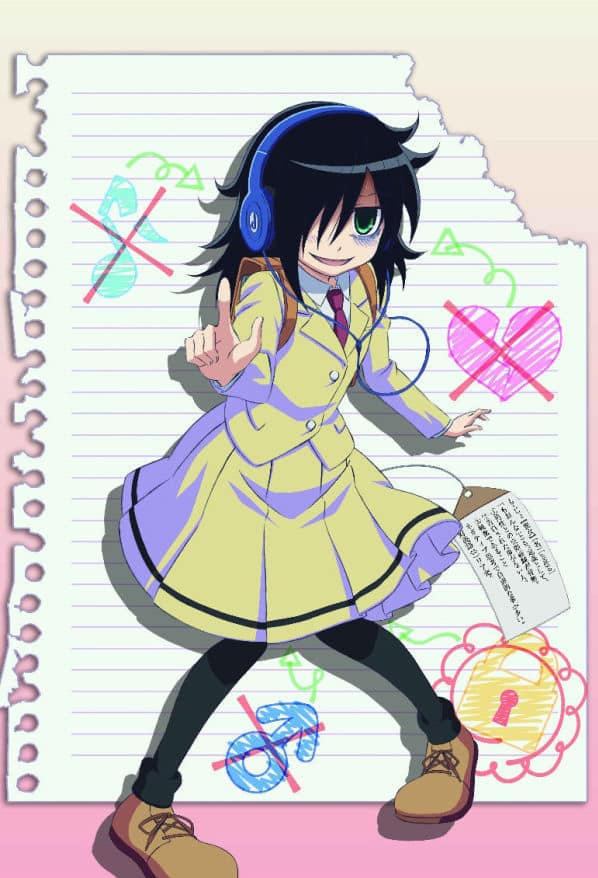
TV-Series
Description
Tomoko Kuroki, a socially awkward and introverted high school girl, enters her first year of high school with high hopes of becoming popular and experiencing the romantic and social life she has idealized through her extensive consumption of otaku culture, particularly dating sims and manga. However, her lack of social skills, extreme self-consciousness, and tendency to overthink every interaction lead to a series of cringe-inducing and often humorous misadventures. Despite her efforts to fit in, Tomoko’s attempts at making friends, attracting boys, or even engaging in casual conversations frequently backfire, leaving her isolated and misunderstood.
The series delves into Tomoko’s daily struggles as she navigates the complexities of adolescence, often highlighting her internal monologues and exaggerated fantasies that contrast sharply with her mundane reality. Her interactions with classmates, family members, and even strangers are marked by her inability to read social cues, leading to awkward and uncomfortable situations. Tomoko’s younger brother, Tomoki, occasionally appears, providing a glimpse into her family life and serving as a foil to her social ineptitude. Though he is more socially adjusted, their relationship is strained, with Tomoko often projecting her frustrations onto him.
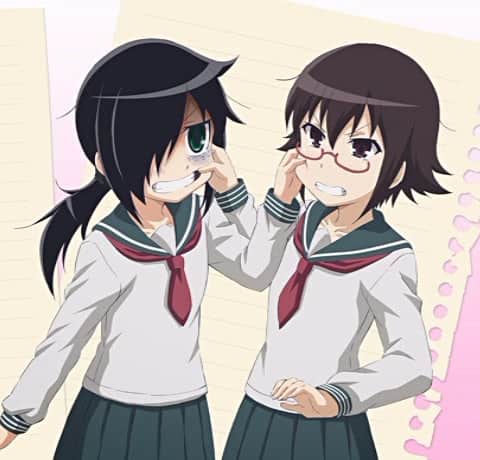
As the story progresses, Tomoko’s loneliness becomes more pronounced, and her attempts to connect with others grow increasingly desperate. She occasionally crosses paths with a few classmates, such as Yuu Naruse, her childhood friend who has grown into a more socially adept and popular girl, and Komiyama, a quiet classmate who shares some of Tomoko’s awkward tendencies. These interactions, while fleeting, highlight the stark contrast between Tomoko’s self-perception and how others perceive her. Despite her struggles, Tomoko’s resilience and occasional moments of self-awareness provide a nuanced portrayal of her character.
The narrative is episodic, focusing on Tomoko’s day-to-day experiences rather than a linear plot. Her journey is marked by a mix of humor and pathos, as her exaggerated reactions and delusional fantasies often lead to comedic outcomes, while her underlying loneliness and desire for connection evoke a sense of empathy. The series does not shy away from portraying the harsh realities of social anxiety and the challenges of adolescence, making it a relatable yet often uncomfortable viewing experience. Through its unflinching portrayal of Tomoko’s struggles, the series offers a candid exploration of themes such as self-esteem, social isolation, and the gap between expectations and reality.
The series delves into Tomoko’s daily struggles as she navigates the complexities of adolescence, often highlighting her internal monologues and exaggerated fantasies that contrast sharply with her mundane reality. Her interactions with classmates, family members, and even strangers are marked by her inability to read social cues, leading to awkward and uncomfortable situations. Tomoko’s younger brother, Tomoki, occasionally appears, providing a glimpse into her family life and serving as a foil to her social ineptitude. Though he is more socially adjusted, their relationship is strained, with Tomoko often projecting her frustrations onto him.
As the story progresses, Tomoko’s loneliness becomes more pronounced, and her attempts to connect with others grow increasingly desperate. She occasionally crosses paths with a few classmates, such as Yuu Naruse, her childhood friend who has grown into a more socially adept and popular girl, and Komiyama, a quiet classmate who shares some of Tomoko’s awkward tendencies. These interactions, while fleeting, highlight the stark contrast between Tomoko’s self-perception and how others perceive her. Despite her struggles, Tomoko’s resilience and occasional moments of self-awareness provide a nuanced portrayal of her character.
The narrative is episodic, focusing on Tomoko’s day-to-day experiences rather than a linear plot. Her journey is marked by a mix of humor and pathos, as her exaggerated reactions and delusional fantasies often lead to comedic outcomes, while her underlying loneliness and desire for connection evoke a sense of empathy. The series does not shy away from portraying the harsh realities of social anxiety and the challenges of adolescence, making it a relatable yet often uncomfortable viewing experience. Through its unflinching portrayal of Tomoko’s struggles, the series offers a candid exploration of themes such as self-esteem, social isolation, and the gap between expectations and reality.
Episodes
Staffel 1
1Since I'm Not Popular, I'll Change My Image a Bit!
2Since I'm Not Popular, I'll See My Old Friend
3Since I'm Not Popular, The Weather's Bad
4Since I'm Not Popular, I'll Have a Good Dream
5Since I'm Not Popular, I'll Boost My Skills
6Since I'm Not Popular, I'll Go See the Fireworks
7Since I'm Not Popular, I'll Enjoy Summer Vacation
8Since I'm Not Popular, I'll Put On Airs
9Since I'm Not Popular, Summer Will End
10Since I'm Not Popular, Second Term Is Starting
11Since I'm Not Popular, I'll Participate in the Culture Festival
12Since I'm Not Popular, I'll Think About the Future
Cast
- Tomoko Kuroki
- Tomoki Kuroki
- Tomoko's mother
- Yuu Naruse
- Yū Naruse
Comment(s)
Staff
- DirectorShin Ōnuma
- ScriptTakao YoshiokaSawako HirabayashiAyumi SekineTakayo Ikami
- Episode DirectorYasuo IwamotoJunya KoshibaShin ŌnumaYoshinobu TokumotoMasato JinboChika NagaokaJin Tamamura
- MusicSadesper Record
- Character DesignHideki Furukawa
- Chief Animation DirectorHideki Furukawa
- 3D DirectorToshirō Hamamura
- Director of PhotographyKazuya Iwai
- Series CompositionTakao Yoshioka
- StoryboardMasayoshi NishidaJunya KoshibaShin ŌnumaYoshinobu TokumotoMasato JinboChika NagaokaJin Tamamura
- Unit DirectorYasuo IwamotoShin ŌnumaMasato JinboChika Nagaoka
- Original creator
- Art DirectorMaki Morio
- Animation DirectorYuko KusumotoMiwa ŌshimaIchirō OgawaKenji HattoriShūji TakaharaMasakuni KanekoYuka TakemoriTatsuo HondaKenji TeraoMichio HasegawaHideki FurukawaHiroko KuurubeHitoshi MiyajimaYoshiko SaitōSho Katsumata
- Sound DirectorSatoshi Motoyama
- ProducerToshiaki TanakaMakoto ItōMasatoshi IshizukaSun Hye MoonKaho YamadaAtsushi Aitani
Production
- ProductionAT-XSILVER LINK.BushiroadSony Music CommunicationsTV TokyoGood Smile CompanyJapan Narration Acting InstituteDax ProductionMedia FactoryWatamote Production Committee
- Animation ProductionSILVER LINK.
Relations
Anime overview
Music
Ending