
TV-Series
Description
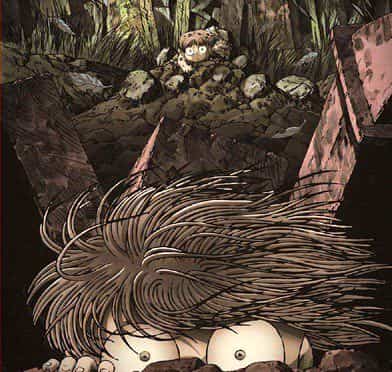
"Hakaba Kitarō" is a supernatural anime series based on the manga by Shigeru Mizuki, serving as a darker and more faithful adaptation of the original "GeGeGe no Kitarō" source material. The story is set in a world where humans and yokai, or supernatural beings, coexist, often in conflict or uneasy harmony. The narrative centers on Kitarō, a yokai boy born from the remains of his deceased father, Medama-Oyaji, who now exists as a sentient eyeball residing in Kitarō's empty eye socket. Kitarō acts as a mediator between the human and yokai realms, striving to maintain balance and resolve conflicts that arise between the two worlds.
The series explores episodic tales that delve into the lives of various yokai and their interactions with humans. Kitarō frequently encounters antagonistic yokai who seek to exploit or harm humans, as well as humans who misunderstand or fear yokai. Each episode often presents a moral or philosophical dilemma, highlighting themes of coexistence, prejudice, and the consequences of human greed or ignorance. Kitarō’s allies, including his father Medama-Oyaji, the shape-shifting Nezumi-Otoko, and the loyal Neko-Musume, assist him in his endeavors, though their motivations and actions sometimes complicate matters.
The tone of "Hakaba Kitarō" is notably darker and more macabre compared to its more lighthearted counterpart, "GeGeGe no Kitarō." The series does not shy away from depicting the grotesque and eerie nature of yokai, often emphasizing their otherworldly and unsettling characteristics. Human characters are frequently portrayed as flawed, with their actions driven by fear, greed, or ignorance, leading to conflicts that Kitarō must resolve. The narrative also delves into the tragic and melancholic aspects of yokai existence, exploring their struggles with loneliness, obsolescence, and the changing world that increasingly marginalizes them.
Kitarō himself is a complex protagonist, embodying both the innocence of a child and the wisdom of an ancient being. His dual nature as a yokai with human-like emotions allows him to empathize with both sides of the human-yokai divide, making him a unique and compelling figure. Medama-Oyaji serves as a guiding presence, offering advice and moral support, while Nezumi-Otoko provides comic relief and occasional mischief, often acting as a foil to Kitarō’s earnestness. Neko-Musume, a cat yokai, adds a layer of loyalty and emotional depth, often reflecting the series’ exploration of identity and belonging.
The episodic structure of "Hakaba Kitarō" allows for a wide range of stories, from cautionary tales about human folly to poignant explorations of yokai mythology. The series maintains a consistent focus on the interplay between the supernatural and the mundane, presenting a world where the boundaries between the two are fluid and often blurred. Through its narrative, "Hakaba Kitarō" offers a rich tapestry of folklore, morality, and the enduring struggle for understanding between different worlds.
The series explores episodic tales that delve into the lives of various yokai and their interactions with humans. Kitarō frequently encounters antagonistic yokai who seek to exploit or harm humans, as well as humans who misunderstand or fear yokai. Each episode often presents a moral or philosophical dilemma, highlighting themes of coexistence, prejudice, and the consequences of human greed or ignorance. Kitarō’s allies, including his father Medama-Oyaji, the shape-shifting Nezumi-Otoko, and the loyal Neko-Musume, assist him in his endeavors, though their motivations and actions sometimes complicate matters.
The tone of "Hakaba Kitarō" is notably darker and more macabre compared to its more lighthearted counterpart, "GeGeGe no Kitarō." The series does not shy away from depicting the grotesque and eerie nature of yokai, often emphasizing their otherworldly and unsettling characteristics. Human characters are frequently portrayed as flawed, with their actions driven by fear, greed, or ignorance, leading to conflicts that Kitarō must resolve. The narrative also delves into the tragic and melancholic aspects of yokai existence, exploring their struggles with loneliness, obsolescence, and the changing world that increasingly marginalizes them.
Kitarō himself is a complex protagonist, embodying both the innocence of a child and the wisdom of an ancient being. His dual nature as a yokai with human-like emotions allows him to empathize with both sides of the human-yokai divide, making him a unique and compelling figure. Medama-Oyaji serves as a guiding presence, offering advice and moral support, while Nezumi-Otoko provides comic relief and occasional mischief, often acting as a foil to Kitarō’s earnestness. Neko-Musume, a cat yokai, adds a layer of loyalty and emotional depth, often reflecting the series’ exploration of identity and belonging.
The episodic structure of "Hakaba Kitarō" allows for a wide range of stories, from cautionary tales about human folly to poignant explorations of yokai mythology. The series maintains a consistent focus on the interplay between the supernatural and the mundane, presenting a world where the boundaries between the two are fluid and often blurred. Through its narrative, "Hakaba Kitarō" offers a rich tapestry of folklore, morality, and the enduring struggle for understanding between different worlds.
Episodes
Staffel 1
1Kitarou's Birth
2Yasha vs. Dracula IV
3Vampire Tree
4Sleeping Child
5Fake Kitarou
6Lord Suijin
7Wolfman and the Ghost Train
8An Outrageous, Number 1 Defeat
9Johnny In the Fog
10Brigadoon
11Idiot Man
Cast
Comment(s)
Staff
- Series DirectorMasatoshi Chioka
- ScriptKeiichi HasegawaYoshimi NaritaIkuko TakahashiYasuyuki Tsutsumi
- Episode DirectorHidehito UedaHiroki ShibataTetsuji NakamuraHiroyuki KakudōKōhei HatanoMasatoshi ChiokaIku Ishiguro
- MusicKaoru Wada
- Character DesignTadayoshi Yamamuro
- ArtYumi HosakaShōichirō SugiuraShinji SaitōMasanobu ŌtaniTakashi KurahashiRyūtarō MasudaYoshiko Kitamura
- Animation DirectorTatsuya OkaTakashi HashimotoTateru NamikazeYōichi ŌnishiTadayoshi YamamuroHidemi KuboAtsushi SogaYūji HakamadaMasayuki Shimizu
- Cgi DirectorNobuhiro Morita
- Series CompositionYoshimi Narita
- StoryboardHidehito UedaKenji NakamuraHiroki ShibataTetsuji NakamuraHiroyuki KakudōMasatoshi ChiokaIku Ishiguro
- Unit DirectorKenji Nakamura
- Original creator
- Art DirectorTakashi Kurahashi
- Chief Animation DirectorTadayoshi Yamamuro
- Art designYoshiaki Honma
- ProducerAtsutoshi UmezawaAtsuya TakaseYoshiyuki IkezawaKosuke Hosogai
Production
- Animation ProductionToei Animation
- ProductionToei AnimationYomiko Advertising, Inc.Fuji Television NetworkAsmik Ace Entertainment, Inc.Dentsu Inc.Sony Music EntertainmentSKY Perfect Well Think Co., Ltd.
Relations
Recommendations based on shared tags.

Music
Insert songs