
TV-Series
Description
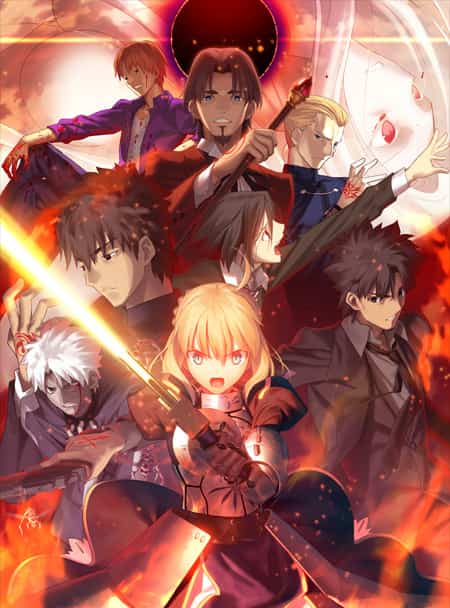
"Fate/Zero 2" is the second season of the anime adaptation of Gen Urobuchi's light novel series, serving as a prequel to "Fate/stay night." The story is set in a world where mages summon heroic spirits, known as Servants, to compete in the Holy Grail War—a battle royale for a wish-granting artifact. The narrative unfolds in Fuyuki City, where seven Masters and their Servants, each representing a different class (Saber, Archer, Lancer, Rider, Berserker, Assassin, and Caster), clash in a high-stakes conflict.
The second season continues the intense and morally complex struggle among the participants. Kiritsugu Emiya, a pragmatic and ruthless mage assassin, serves as the Master of Saber, a noble and idealistic knight. Kiritsugu's cold, utilitarian approach to achieving peace contrasts sharply with Saber's chivalric code, creating tension between them. Meanwhile, Kirei Kotomine, a conflicted priest and Master of Assassin, grapples with his inner emptiness and growing fascination with Kiritsugu's methods. Kirei's alliance with Tokiomi Tohsaka, a traditional mage and Master of Archer, begins to unravel as his true nature emerges.
Rider, the boisterous and charismatic King of Conquerors, and his Master, Waver Velvet, provide a counterpoint to the darker elements of the story. Rider's unwavering belief in his ideals and his bond with Waver highlight themes of camaraderie and leadership. In contrast, the deranged Caster and his Master, Ryunosuke Uryu, embody chaos and depravity, committing atrocities that draw the attention of both the other participants and the Church, which oversees the Grail War.
The season delves deeper into the motivations and backstories of the characters, revealing their personal struggles and the moral dilemmas they face. Kiritsugu's tragic past and his resolve to sacrifice anything for his vision of peace are explored, as are Kirei's existential crisis and his descent into darkness. The alliances and rivalries among the Masters and Servants grow increasingly volatile, leading to dramatic confrontations and betrayals. The narrative builds toward a climactic battle for the Holy Grail, where the true nature of the artifact and the cost of its power are revealed.
Themes of fate, morality, and the consequences of ambition are central to the story. The characters' choices and their pursuit of the Grail's promise of a wish ultimately lead to devastating outcomes, challenging their beliefs and reshaping their lives. The series concludes with a bridge to the events of "Fate/stay night," setting the stage for the next chapter in the overarching narrative.
The second season continues the intense and morally complex struggle among the participants. Kiritsugu Emiya, a pragmatic and ruthless mage assassin, serves as the Master of Saber, a noble and idealistic knight. Kiritsugu's cold, utilitarian approach to achieving peace contrasts sharply with Saber's chivalric code, creating tension between them. Meanwhile, Kirei Kotomine, a conflicted priest and Master of Assassin, grapples with his inner emptiness and growing fascination with Kiritsugu's methods. Kirei's alliance with Tokiomi Tohsaka, a traditional mage and Master of Archer, begins to unravel as his true nature emerges.
Rider, the boisterous and charismatic King of Conquerors, and his Master, Waver Velvet, provide a counterpoint to the darker elements of the story. Rider's unwavering belief in his ideals and his bond with Waver highlight themes of camaraderie and leadership. In contrast, the deranged Caster and his Master, Ryunosuke Uryu, embody chaos and depravity, committing atrocities that draw the attention of both the other participants and the Church, which oversees the Grail War.
The season delves deeper into the motivations and backstories of the characters, revealing their personal struggles and the moral dilemmas they face. Kiritsugu's tragic past and his resolve to sacrifice anything for his vision of peace are explored, as are Kirei's existential crisis and his descent into darkness. The alliances and rivalries among the Masters and Servants grow increasingly volatile, leading to dramatic confrontations and betrayals. The narrative builds toward a climactic battle for the Holy Grail, where the true nature of the artifact and the cost of its power are revealed.
Themes of fate, morality, and the consequences of ambition are central to the story. The characters' choices and their pursuit of the Grail's promise of a wish ultimately lead to devastating outcomes, challenging their beliefs and reshaping their lives. The series concludes with a bridge to the events of "Fate/stay night," setting the stage for the next chapter in the overarching narrative.
Comment(s)
No entries available.
Relations
Anime overview



Manga overview
Music
Opening
- ?“"to the beginning"” - Kalafina
Ending
- ?“"Sora wa Takaku Kaze wa Utau" (空は高く風は歌う; "Up on the Sky, the Wind Sings")” - Luna Haruna
- 18-19“"Manten (満天; The Whole Sky)"” - Kalafina
- ?“"to the beginning"” - Kalafina (ep 25)