
TV-Series
Description
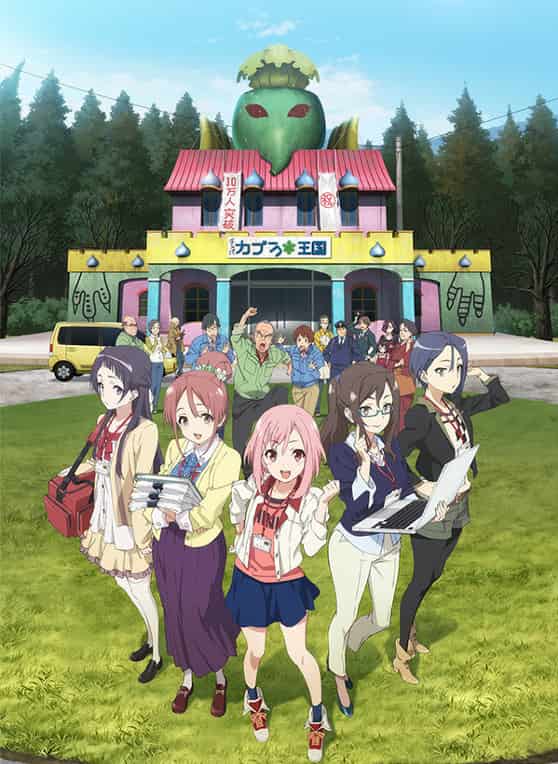
"Sakura Quest" centers on Yoshino Koharu, a recent college graduate struggling to find stable employment in Tokyo. After a series of rejections, she accepts a one-year contract as the "Queen" of Manoyama, a small, rural town attempting to revitalize its dwindling tourism industry. Initially believing the role to be ceremonial, Yoshino quickly realizes she is expected to lead efforts to promote the town and attract visitors. Reluctantly, she commits to the challenge, forming a team with four local women: Shiori, a reserved and nostalgic town native; Sanae, a former actress seeking purpose; Maki, a fashion-conscious returnee from Tokyo; and Ririko, a reserved woodcarver with a deep connection to the town’s traditions.
The narrative unfolds as the group, collectively known as the "Tourism Board," tackles various projects to breathe life into Manoyama. These efforts include organizing festivals, reviving local crafts, and promoting the town’s unique culture. Each project highlights the town’s charm while exposing the challenges of rural decline, such as an aging population, lack of resources, and resistance to change. The series balances lighthearted moments with deeper explorations of the characters’ personal struggles and growth. Yoshino, initially out of her depth, gradually becomes more invested in the town and its people, while her teammates confront their own insecurities and aspirations.
Throughout the series, the characters’ interactions with Manoyama’s residents reveal the town’s rich history and traditions, as well as the complexities of preserving them in a rapidly modernizing world. The story emphasizes themes of community, perseverance, and the importance of finding value in overlooked places. By the end of the series, the Tourism Board’s efforts yield modest but meaningful progress, showcasing the impact of collective effort and the potential for renewal in even the most unlikely settings. The narrative concludes with a sense of hope, as the characters reflect on their journeys and the bonds they’ve formed, leaving the future of Manoyama open to further possibilities.
The narrative unfolds as the group, collectively known as the "Tourism Board," tackles various projects to breathe life into Manoyama. These efforts include organizing festivals, reviving local crafts, and promoting the town’s unique culture. Each project highlights the town’s charm while exposing the challenges of rural decline, such as an aging population, lack of resources, and resistance to change. The series balances lighthearted moments with deeper explorations of the characters’ personal struggles and growth. Yoshino, initially out of her depth, gradually becomes more invested in the town and its people, while her teammates confront their own insecurities and aspirations.
Throughout the series, the characters’ interactions with Manoyama’s residents reveal the town’s rich history and traditions, as well as the complexities of preserving them in a rapidly modernizing world. The story emphasizes themes of community, perseverance, and the importance of finding value in overlooked places. By the end of the series, the Tourism Board’s efforts yield modest but meaningful progress, showcasing the impact of collective effort and the potential for renewal in even the most unlikely settings. The narrative concludes with a sense of hope, as the characters reflect on their journeys and the bonds they’ve formed, leaving the future of Manoyama open to further possibilities.
Episodes
Staffel 1
1Off to Magical Manoyama
2The Gathering of the Five Champions
3The Cry of the Mandrake
4The Lone Alchemist
5The Budding Yggdrasil
6The Rural Masquerade
7The Mansion in Purgatory
8The Fairy's Recipe
9The Lady's Scales
10The Dragon's Soft Spot
11The Forgotten Requiem
12The Dawn Guild
13The Marionette's Banquet
14The Queen, Convicted
15The Queen's Return
16The Harlequin On the Pond
17The Sphinx's Antics
18Minerva's Sake Saucer
19The Foggy Folklore
20The Phoenix in the Holy Night
21The Pixie in the Town of Ice
22The New Moon Luminarie
23The Crystal of Melting Snow
24The Eternal Obelisk
25The Kingdom of Cherry Blossoms
Cast
- Takamizawa
- Ririko Oribe
- Yoshino Koharu
- Sanae Kōzuki
- Ushimatsu Kadota
- Maki Midorikawa
- Kindaichi
- Shiori Shinomiya
- Yamada
Comment(s)
Staff
- Director
- ScriptMasahiro YokotaniShingo Irie
- Episode DirectorKeisuke ŌnishiKenichi ImaizumiTomoaki OhtaShin'ichi MasakiShū HonmaDaisuke TsukushiChie HashimotoHideaki KurakawaDaisuke HiramakiMasanori TakahashiJin IwatsukiTakuya Nishimichi
- Music
- Original Character DesignBUNBUN
- Art DirectorAyumi Satō
- Animation DirectorNoboru SugimitsuChizuko KusakabeHiromi NiiokaKayoko NabetaMasayoshi KikuchiYōko IizukaMisao AbeMin Bae LeeYūji ShibataMinefumi HaradaHiromu MatsumotoShigeki AwaiKeiko IchiharaMin Ki HanEiichi TominagaMaki FukuiNana MiuraTomoko TsujiSayumi YokoyamaTakuya TokudaSang Jin LeeSeung Chul RyuShōko YasudaAkira IwasakiNoriko MorishimaKonomi SatōSōdai SuwaTomoya AtsumiHideyuki SatakeMizuki TakahashiChul Gyo JungMin Seop ShinMasatsune NoguchiLo Ho KimMayumi SekiYoshiyuki SaotomeChiaki OujiTomoko Hayashi
- Sound DirectorSatoki Iida
- Director of PhotographyTsubasa Yokoyama
- ProducerShōji SōmaHiroyuki KobayashiMasaya Saitō
- Series CompositionMasahiro Yokotani
- StoryboardFumie MuroiJunichi SakataKenichi ImaizumiNamimi SanjoShū HonmaHideaki KurakawaDaisuke HiramakiMasanori TakahashiJin IwatsukiJong Heo
- Unit DirectorTomoaki Ohta
- Original creator
- Character DesignKanami Sekiguchi
- Chief Animation DirectorKanami Sekiguchi
- 3D DirectorKōhei Ogawa
- Cgi DirectorHiiro Buchino
- Executive producerKenji HorikawaNoboru YamadaYoshihiro FurusawaMasayuki NishideTakashi KōjuHideki ShinmuraKeiji Ota
Production
- Animation ProductionP.A. Works
- ProductionABC Animation
Relations
Recommendations based on shared tags.


Music
Opening
Ending