TV-Series
Description
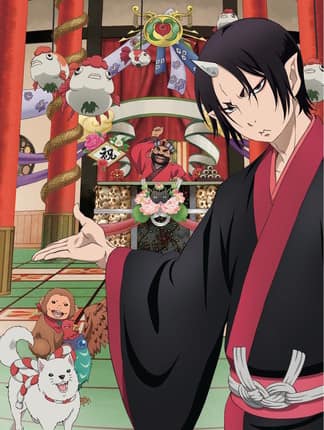
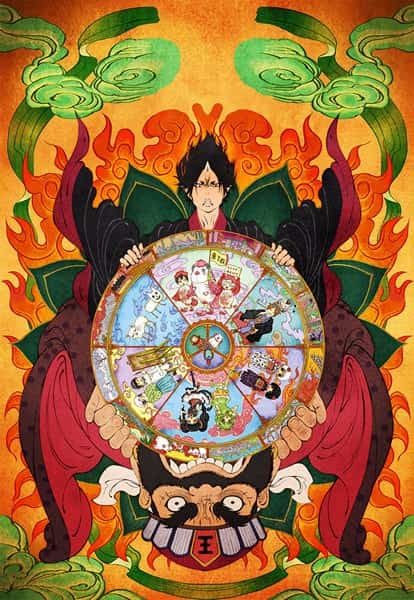
"Hōzuki no Reitetsu" is set in the afterlife, where the bureaucratic operations of Hell are meticulously managed by its inhabitants. The protagonist, Hōzuki, serves as the chief deputy to King Enma, the ruler of Hell. Known for his calm demeanor, sharp intellect, and occasional ruthlessness, Hōzuki oversees the intricate systems of punishment, judgment, and administration that keep Hell running smoothly. His role involves managing the various departments of Hell, resolving disputes among demons, and ensuring that the souls of the deceased are judged and punished according to their sins.
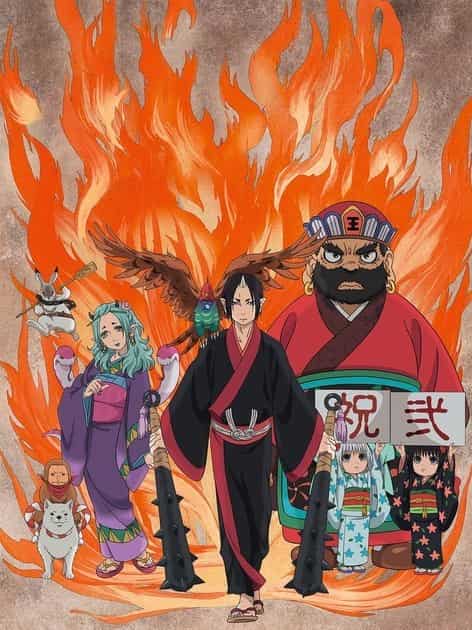
The narrative explores the daily operations of Hell, blending dark humor with satirical commentary on bureaucracy and human nature. Hōzuki often navigates challenges posed by inept subordinates, rival demons, and even occasional interference from Heaven. His interactions with other characters, such as the flamboyant demon Karura, the stoic White Ogre, and the mischievous Momotarō, add depth to the story. Each character brings unique traits and quirks, contributing to the series' comedic and dramatic moments.
The plot frequently delves into Japanese folklore, mythology, and cultural references, offering a rich tapestry of stories and legends reimagined within the context of Hell. Episodes often feature standalone scenarios, such as Hōzuki resolving a dispute between demons, introducing new punishments for sinners, or dealing with the consequences of a bureaucratic error. These vignettes are interwoven with overarching themes of justice, order, and the complexities of managing an eternal realm.
Hōzuki's character is central to the series, embodying a blend of pragmatism and dry wit. His unwavering dedication to maintaining order in Hell contrasts with his occasional indulgence in personal interests, such as his love for goldfish and his rivalry with the demon Shiro. The series also explores his backstory, revealing glimpses of his past and the events that shaped his role in Hell.
Overall, "Hōzuki no Reitetsu" presents a unique and darkly comedic portrayal of the afterlife, combining elements of fantasy, satire, and cultural commentary. Its focus on the intricacies of Hell's bureaucracy, coupled with a diverse cast of characters, creates a distinctive narrative that balances humor with thought-provoking themes.
The narrative explores the daily operations of Hell, blending dark humor with satirical commentary on bureaucracy and human nature. Hōzuki often navigates challenges posed by inept subordinates, rival demons, and even occasional interference from Heaven. His interactions with other characters, such as the flamboyant demon Karura, the stoic White Ogre, and the mischievous Momotarō, add depth to the story. Each character brings unique traits and quirks, contributing to the series' comedic and dramatic moments.
The plot frequently delves into Japanese folklore, mythology, and cultural references, offering a rich tapestry of stories and legends reimagined within the context of Hell. Episodes often feature standalone scenarios, such as Hōzuki resolving a dispute between demons, introducing new punishments for sinners, or dealing with the consequences of a bureaucratic error. These vignettes are interwoven with overarching themes of justice, order, and the complexities of managing an eternal realm.
Hōzuki's character is central to the series, embodying a blend of pragmatism and dry wit. His unwavering dedication to maintaining order in Hell contrasts with his occasional indulgence in personal interests, such as his love for goldfish and his rivalry with the demon Shiro. The series also explores his backstory, revealing glimpses of his past and the events that shaped his role in Hell.
Overall, "Hōzuki no Reitetsu" presents a unique and darkly comedic portrayal of the afterlife, combining elements of fantasy, satire, and cultural commentary. Its focus on the intricacies of Hell's bureaucracy, coupled with a diverse cast of characters, creates a distinctive narrative that balances humor with thought-provoking themes.
Comment(s)
No entries available.
Relations