TV-Series
Description
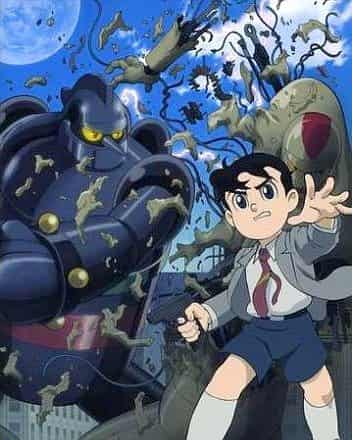
"Tetsujin 28th" is a reimagining of the classic 1956 manga "Tetsujin 28-go" by Mitsuteru Yokoyama, modernizing the story for a contemporary audience while retaining its core themes. Set in a post-World War II Japan, the narrative centers on Shotaro Kaneda, a young boy who becomes the operator of a massive, remote-controlled robot named Tetsujin 28. The robot, originally developed as a secret military weapon, is now under Shotaro's control after the death of his father, Dr. Shikishima, who was one of its creators. The series explores the ethical implications of advanced technology and the responsibilities that come with wielding such power.
The plot unfolds as Shotaro navigates the challenges of operating Tetsujin 28 while confronting various adversaries who seek to exploit the robot for their own purposes. Among these adversaries is Professor Shutain, a former colleague of Dr. Shikishima, who creates his own robot, Black Ox, to rival Tetsujin 28. The rivalry between the two robots and their operators drives much of the conflict, with Shotaro often forced to confront the moral dilemmas of using Tetsujin 28 in combat. The series also delves into the personal struggles of its characters, particularly Shotaro's journey to understand his father's legacy and the weight of inheriting such a powerful weapon.
Supporting characters include Inspector Otsuka, a police officer who assists Shotaro in his missions, and Ryuusuke Murasame, a former soldier who becomes an ally and mentor to Shotaro. The series balances action-packed robot battles with moments of introspection, as Shotaro grapples with the consequences of his actions and the broader implications of technological advancement. The narrative is structured around episodic conflicts, with overarching storylines that build toward a climactic resolution involving the true purpose of Tetsujin 28 and its connection to Japan's wartime past.
Themes of redemption, responsibility, and the impact of technology on society are woven throughout the series, with Tetsujin 28 serving as both a symbol of hope and a reminder of humanity's capacity for destruction. The story maintains a focus on Shotaro's growth as a character, as he learns to wield Tetsujin 28 not as a weapon of war, but as a tool for justice and protection. The series concludes with a resolution that ties together its central conflicts, offering a thoughtful exploration of its themes while delivering a satisfying narrative arc.
The plot unfolds as Shotaro navigates the challenges of operating Tetsujin 28 while confronting various adversaries who seek to exploit the robot for their own purposes. Among these adversaries is Professor Shutain, a former colleague of Dr. Shikishima, who creates his own robot, Black Ox, to rival Tetsujin 28. The rivalry between the two robots and their operators drives much of the conflict, with Shotaro often forced to confront the moral dilemmas of using Tetsujin 28 in combat. The series also delves into the personal struggles of its characters, particularly Shotaro's journey to understand his father's legacy and the weight of inheriting such a powerful weapon.
Supporting characters include Inspector Otsuka, a police officer who assists Shotaro in his missions, and Ryuusuke Murasame, a former soldier who becomes an ally and mentor to Shotaro. The series balances action-packed robot battles with moments of introspection, as Shotaro grapples with the consequences of his actions and the broader implications of technological advancement. The narrative is structured around episodic conflicts, with overarching storylines that build toward a climactic resolution involving the true purpose of Tetsujin 28 and its connection to Japan's wartime past.
Themes of redemption, responsibility, and the impact of technology on society are woven throughout the series, with Tetsujin 28 serving as both a symbol of hope and a reminder of humanity's capacity for destruction. The story maintains a focus on Shotaro's growth as a character, as he learns to wield Tetsujin 28 not as a weapon of war, but as a tool for justice and protection. The series concludes with a resolution that ties together its central conflicts, offering a thoughtful exploration of its themes while delivering a satisfying narrative arc.
Comment(s)
No entries available.
Relations