
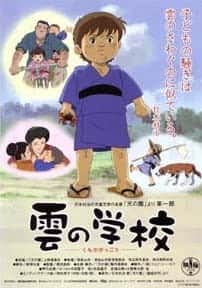
Movie
Description
"Kumo no Gakkō" is set in a rural Japanese village during the early 20th century, focusing on the lives of children attending a small, one-room schoolhouse. The narrative centers on a group of students who form a close-knit bond as they navigate the challenges of their daily lives, their education, and the broader societal changes occurring around them. The school, perched on a hill surrounded by nature, becomes a microcosm of their world, where lessons extend beyond academics to include life skills, resilience, and camaraderie.
The protagonist, a young girl named Haru, is a bright and curious student who often takes the lead in group activities. Her best friend, Taro, is a quiet but thoughtful boy who struggles with the expectations placed on him by his family. Other key characters include Yuki, a mischievous but kind-hearted boy, and Aiko, a diligent and compassionate girl who often mediates conflicts among her peers. The children’s teacher, Sensei, plays a pivotal role in guiding them, offering wisdom and encouragement while fostering a sense of independence and responsibility.
The story unfolds through a series of episodic events that highlight the children’s growth and the challenges they face. These include preparing for a school festival, dealing with the arrival of a new student from the city, and coping with the impact of a severe storm that damages their village. The narrative also explores themes of community, tradition, and the transition from childhood to adolescence, as the children grapple with their changing roles within their families and society.
Throughout the series, the natural environment serves as both a backdrop and a character in its own right, with the changing seasons reflecting the emotional and developmental arcs of the children. The story balances moments of lighthearted humor with poignant reflections on loss, perseverance, and the enduring power of friendship. By the end of the series, the children have not only grown academically but also emotionally, leaving the schoolhouse with a deeper understanding of themselves and the world around them.
The protagonist, a young girl named Haru, is a bright and curious student who often takes the lead in group activities. Her best friend, Taro, is a quiet but thoughtful boy who struggles with the expectations placed on him by his family. Other key characters include Yuki, a mischievous but kind-hearted boy, and Aiko, a diligent and compassionate girl who often mediates conflicts among her peers. The children’s teacher, Sensei, plays a pivotal role in guiding them, offering wisdom and encouragement while fostering a sense of independence and responsibility.
The story unfolds through a series of episodic events that highlight the children’s growth and the challenges they face. These include preparing for a school festival, dealing with the arrival of a new student from the city, and coping with the impact of a severe storm that damages their village. The narrative also explores themes of community, tradition, and the transition from childhood to adolescence, as the children grapple with their changing roles within their families and society.
Throughout the series, the natural environment serves as both a backdrop and a character in its own right, with the changing seasons reflecting the emotional and developmental arcs of the children. The story balances moments of lighthearted humor with poignant reflections on loss, perseverance, and the enduring power of friendship. By the end of the series, the children have not only grown academically but also emotionally, leaving the schoolhouse with a deeper understanding of themselves and the world around them.
Comment(s)
Staff
- DirectorYoshio Kuroda