
Movie
Description
"Pica-don" is a short anime film that depicts the events surrounding the atomic bombing of Hiroshima on August 6, 1945. The narrative unfolds through the perspective of a young boy who experiences the immediate aftermath of the explosion. The title, "Pica-don," is derived from the Japanese onomatopoeia for the blinding flash ("pica") and the deafening blast ("don") of the bomb.
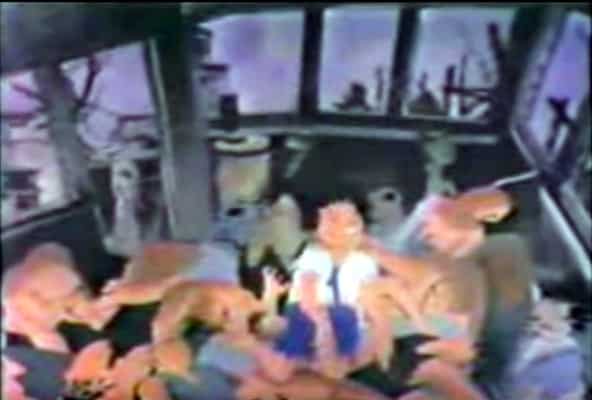
The story begins with the boy going about his daily life in Hiroshima, unaware of the impending catastrophe. The sudden, intense flash of light marks the detonation of the atomic bomb, followed by a powerful shockwave that devastates the city. The boy is thrown into chaos, witnessing the destruction of his surroundings and the suffering of the people around him. The film portrays the harrowing scenes of burning buildings, injured and dying civilians, and the overwhelming sense of loss and despair.
As the boy navigates the ruins, he encounters various individuals, each coping with the tragedy in different ways. Some are in shock, others are desperately searching for loved ones, and many are succumbing to their injuries. The film does not shy away from depicting the physical and emotional toll of the bombing, highlighting the indiscriminate nature of the destruction.
The narrative also touches on the boy's internal struggle as he grapples with the incomprehensible scale of the disaster. His journey through the devastated city serves as a poignant reminder of the human cost of war and the long-lasting impact of such events on survivors. The film concludes with a somber reflection on the aftermath, leaving a lasting impression of the tragedy's profound effects on individuals and society.
"Pica-don" is a powerful and evocative portrayal of one of history's most devastating moments, offering a stark and unflinching look at the consequences of nuclear warfare. Through its concise and impactful storytelling, the film serves as both a historical document and a poignant reminder of the need for peace and understanding.
The story begins with the boy going about his daily life in Hiroshima, unaware of the impending catastrophe. The sudden, intense flash of light marks the detonation of the atomic bomb, followed by a powerful shockwave that devastates the city. The boy is thrown into chaos, witnessing the destruction of his surroundings and the suffering of the people around him. The film portrays the harrowing scenes of burning buildings, injured and dying civilians, and the overwhelming sense of loss and despair.
As the boy navigates the ruins, he encounters various individuals, each coping with the tragedy in different ways. Some are in shock, others are desperately searching for loved ones, and many are succumbing to their injuries. The film does not shy away from depicting the physical and emotional toll of the bombing, highlighting the indiscriminate nature of the destruction.
The narrative also touches on the boy's internal struggle as he grapples with the incomprehensible scale of the disaster. His journey through the devastated city serves as a poignant reminder of the human cost of war and the long-lasting impact of such events on survivors. The film concludes with a somber reflection on the aftermath, leaving a lasting impression of the tragedy's profound effects on individuals and society.
"Pica-don" is a powerful and evocative portrayal of one of history's most devastating moments, offering a stark and unflinching look at the consequences of nuclear warfare. Through its concise and impactful storytelling, the film serves as both a historical document and a poignant reminder of the need for peace and understanding.
Comment(s)
Staff
- DirectorRenzo Kinoshita
- MusicReijirō Koroku
- ScreenplaySayoko Kinoshita
- ProducerRenzo KinoshitaToshihiro KomoriDaisaburō Hayashi
Production
- ProductionStudio Lotus