OVA
Description
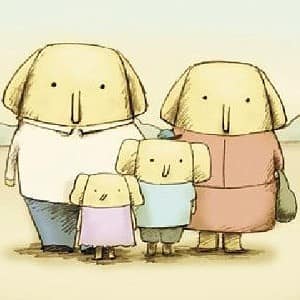
"Zō no Senaka -Tabidatsu Hi-" is a short anime film that explores themes of family, responsibility, and the passage of time through a simple yet poignant narrative. The story centers on a young boy named Shun, who lives with his mother and grandfather in a rural Japanese town. Shun’s grandfather, a skilled craftsman, has spent his life creating traditional wooden elephants, or "zō," as a symbol of strength and perseverance. These elephants are not just toys but carry deep emotional significance, representing the grandfather’s dedication to his craft and his family.
As the story unfolds, Shun begins to notice his grandfather’s declining health and the toll it takes on his ability to continue his work. The grandfather, aware of his limited time, decides to pass on his knowledge and tools to Shun, entrusting him with the responsibility of carrying on the family tradition. This act of passing the torch becomes a metaphor for the generational transition and the inevitability of change. Shun, initially reluctant and unsure of his own abilities, gradually comes to understand the weight of this responsibility and the importance of preserving his grandfather’s legacy.
The narrative is deeply rooted in the relationship between Shun and his grandfather, highlighting their bond through quiet, heartfelt moments. The grandfather’s wisdom and patience contrast with Shun’s youthful uncertainty, creating a dynamic that underscores the themes of growth and acceptance. The film also touches on the broader cultural significance of traditional crafts and the challenges of maintaining such practices in a rapidly modernizing world.
Throughout the story, the wooden elephant serves as a recurring symbol, representing not only the grandfather’s life’s work but also the enduring connection between the generations. The film’s pacing is deliberate, allowing the emotional weight of the narrative to resonate with the audience. By the end, Shun’s journey from reluctance to acceptance reflects a universal experience of coming to terms with change and finding meaning in the legacy left behind.
As the story unfolds, Shun begins to notice his grandfather’s declining health and the toll it takes on his ability to continue his work. The grandfather, aware of his limited time, decides to pass on his knowledge and tools to Shun, entrusting him with the responsibility of carrying on the family tradition. This act of passing the torch becomes a metaphor for the generational transition and the inevitability of change. Shun, initially reluctant and unsure of his own abilities, gradually comes to understand the weight of this responsibility and the importance of preserving his grandfather’s legacy.
The narrative is deeply rooted in the relationship between Shun and his grandfather, highlighting their bond through quiet, heartfelt moments. The grandfather’s wisdom and patience contrast with Shun’s youthful uncertainty, creating a dynamic that underscores the themes of growth and acceptance. The film also touches on the broader cultural significance of traditional crafts and the challenges of maintaining such practices in a rapidly modernizing world.
Throughout the story, the wooden elephant serves as a recurring symbol, representing not only the grandfather’s life’s work but also the enduring connection between the generations. The film’s pacing is deliberate, allowing the emotional weight of the narrative to resonate with the audience. By the end, Shun’s journey from reluctance to acceptance reflects a universal experience of coming to terms with change and finding meaning in the legacy left behind.
Comment(s)
Staff
- Original creator
Relations
Recommendations based on shared tags.