
TV-Series
Description
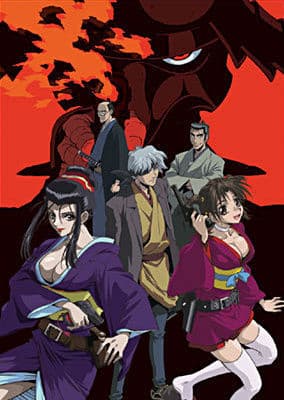
"Samurai Gun" is set in an alternate version of Japan during the Edo period, where firearms have been introduced and are wielded by samurai, blending traditional swordplay with modern weaponry. The story unfolds in a time of political turmoil, as corrupt officials and power-hungry factions exploit the chaos to further their own agendas. The narrative centers on Ichimatsu, a skilled and stoic samurai who wields a unique gun-sword hybrid weapon. He is part of a secretive group known as the Samurai Gun, whose mission is to protect the innocent and uphold justice in a society rife with corruption and violence.
Ichimatsu’s journey intertwines with a broader conflict involving the Shogunate and various factions vying for control. The Samurai Gun operatives, each with their own motivations and backstories, are tasked with eliminating those who abuse power. However, their methods often blur the line between justice and vengeance, raising questions about morality and the cost of their actions. Ichimatsu, in particular, grapples with his own past and the weight of his responsibilities, as his missions frequently bring him face-to-face with personal and ethical dilemmas.
The series explores themes of loyalty, honor, and the consequences of violence, as the characters navigate a world where traditional samurai values clash with the brutal realities of a changing society. Supporting characters, such as the enigmatic leader of the Samurai Gun and various allies and adversaries, add depth to the narrative, each contributing to the overarching struggle against corruption. The plot is driven by a series of episodic missions that gradually reveal the larger conspiracy threatening the stability of the nation, culminating in a confrontation that tests the resolve and principles of the Samurai Gun.
The tone of the series is dark and gritty, reflecting the harshness of its setting and the moral ambiguity of its characters. Action sequences are frequent and intense, showcasing the unique blend of traditional samurai combat and gunplay. While the narrative primarily focuses on Ichimatsu and his missions, it also delves into the broader societal implications of the Samurai Gun’s actions, offering a nuanced portrayal of a world in transition.
Ichimatsu’s journey intertwines with a broader conflict involving the Shogunate and various factions vying for control. The Samurai Gun operatives, each with their own motivations and backstories, are tasked with eliminating those who abuse power. However, their methods often blur the line between justice and vengeance, raising questions about morality and the cost of their actions. Ichimatsu, in particular, grapples with his own past and the weight of his responsibilities, as his missions frequently bring him face-to-face with personal and ethical dilemmas.
The series explores themes of loyalty, honor, and the consequences of violence, as the characters navigate a world where traditional samurai values clash with the brutal realities of a changing society. Supporting characters, such as the enigmatic leader of the Samurai Gun and various allies and adversaries, add depth to the narrative, each contributing to the overarching struggle against corruption. The plot is driven by a series of episodic missions that gradually reveal the larger conspiracy threatening the stability of the nation, culminating in a confrontation that tests the resolve and principles of the Samurai Gun.
The tone of the series is dark and gritty, reflecting the harshness of its setting and the moral ambiguity of its characters. Action sequences are frequent and intense, showcasing the unique blend of traditional samurai combat and gunplay. While the narrative primarily focuses on Ichimatsu and his missions, it also delves into the broader societal implications of the Samurai Gun’s actions, offering a nuanced portrayal of a world in transition.
Comment(s)
No entries available.
Music
Ending
- ?“"Zutto... Issho"” - Minori Chihara (ep 12)