TV-Series
Description
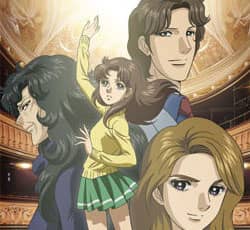
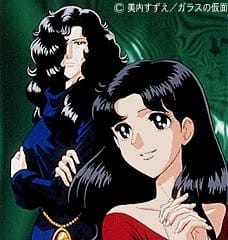
"Glass Mask (2005)" is a 51-episode anime adaptation of Suzue Miuchi's classic shoujo manga, which originally began serialization in 1976. The series centers on Maya Kitajima, a passionate and determined young girl with an extraordinary talent for acting. Living a modest life with her overworked mother, Maya's potential is discovered by Chigusa Tsukikage, a legendary but reclusive actress who runs the Tsukikage Theater Company. Recognizing Maya's raw talent and emotional depth, Tsukikage takes her under her wing, offering her a chance to pursue her dream of becoming a great actress.
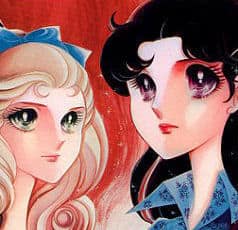
Maya's journey is marked by intense training, personal growth, and fierce competition, particularly with Ayumi Himekawa, a polished and privileged actress who serves as her primary rival. Ayumi, the daughter of a famous actress, has been groomed for stardom from a young age, creating a stark contrast to Maya's humble beginnings. Their rivalry drives much of the narrative, as both strive to master the art of acting and claim the coveted role of the Crimson Goddess in a legendary play.
The series delves deeply into the world of theater, showcasing the challenges and sacrifices required to succeed in the performing arts. Maya's dedication to her craft is tested repeatedly as she faces setbacks, self-doubt, and external pressures. Her ability to immerse herself in roles and connect emotionally with audiences sets her apart, earning her both admiration and envy. The narrative also explores themes of identity, perseverance, and the transformative power of art, as Maya's performances often reflect her personal struggles and growth.
Key supporting characters include Masumi Hayami, a shrewd and ambitious producer who becomes a pivotal figure in Maya's career. Hayami recognizes Maya's potential and often manipulates situations to push her toward greatness, though his methods are sometimes morally ambiguous. Additionally, Maya's relationships with her peers, mentors, and rivals add layers of complexity to the story, highlighting the interpersonal dynamics within the competitive world of theater.
The anime faithfully adapts the source material, capturing the emotional intensity and dramatic flair of the original manga. It balances moments of triumph and heartbreak, portraying Maya's journey as both inspiring and relatable. The series concludes with an open-ended resolution, leaving room for further exploration of Maya's career and personal development, while emphasizing her unwavering commitment to her craft.
Maya's journey is marked by intense training, personal growth, and fierce competition, particularly with Ayumi Himekawa, a polished and privileged actress who serves as her primary rival. Ayumi, the daughter of a famous actress, has been groomed for stardom from a young age, creating a stark contrast to Maya's humble beginnings. Their rivalry drives much of the narrative, as both strive to master the art of acting and claim the coveted role of the Crimson Goddess in a legendary play.
The series delves deeply into the world of theater, showcasing the challenges and sacrifices required to succeed in the performing arts. Maya's dedication to her craft is tested repeatedly as she faces setbacks, self-doubt, and external pressures. Her ability to immerse herself in roles and connect emotionally with audiences sets her apart, earning her both admiration and envy. The narrative also explores themes of identity, perseverance, and the transformative power of art, as Maya's performances often reflect her personal struggles and growth.
Key supporting characters include Masumi Hayami, a shrewd and ambitious producer who becomes a pivotal figure in Maya's career. Hayami recognizes Maya's potential and often manipulates situations to push her toward greatness, though his methods are sometimes morally ambiguous. Additionally, Maya's relationships with her peers, mentors, and rivals add layers of complexity to the story, highlighting the interpersonal dynamics within the competitive world of theater.
The anime faithfully adapts the source material, capturing the emotional intensity and dramatic flair of the original manga. It balances moments of triumph and heartbreak, portraying Maya's journey as both inspiring and relatable. The series concludes with an open-ended resolution, leaving room for further exploration of Maya's career and personal development, while emphasizing her unwavering commitment to her craft.
Comment(s)
No entries available.