
TV-Series
Description
"Manga Sekai Mukashi Banashi" is an anthology anime series that adapts folktales and legends from various cultures around the world into short, self-contained episodes. Each episode presents a distinct story, often rooted in traditional narratives, with themes ranging from morality and human nature to the supernatural and the whimsical. The series is notable for its diverse selection of tales, drawing from Japanese, European, African, and other global traditions, offering a broad cultural perspective.
The narrative structure is episodic, with no overarching plot or recurring characters. Instead, each episode introduces new characters and settings, reflecting the unique cultural context of the story being told. Common motifs include cautionary tales, heroic journeys, and encounters with mythical creatures or deities. The tone varies widely, from lighthearted and humorous to dark and poignant, depending on the source material.
For example, one episode might depict a Japanese folktale about a cunning tanuki outsmarting a greedy merchant, while another might explore a European legend of a brave knight facing a dragon to save a village. The series often emphasizes universal themes such as kindness, perseverance, and the consequences of one's actions, making the stories accessible to a wide audience despite their cultural specificity.
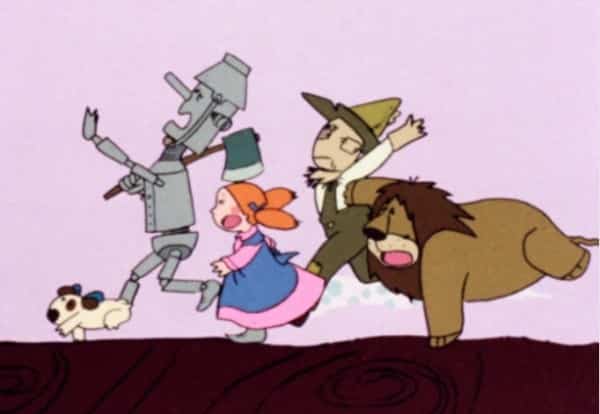
The animation style is simple and straightforward, prioritizing clarity and storytelling over elaborate visuals. This approach allows the focus to remain on the moral and cultural lessons embedded in each tale. The series serves as both entertainment and an educational tool, introducing viewers to the rich tapestry of global folklore in an engaging format. By presenting these stories in a concise and accessible manner, "Manga Sekai Mukashi Banashi" offers a window into the shared human experience through the lens of traditional narratives.
The narrative structure is episodic, with no overarching plot or recurring characters. Instead, each episode introduces new characters and settings, reflecting the unique cultural context of the story being told. Common motifs include cautionary tales, heroic journeys, and encounters with mythical creatures or deities. The tone varies widely, from lighthearted and humorous to dark and poignant, depending on the source material.
For example, one episode might depict a Japanese folktale about a cunning tanuki outsmarting a greedy merchant, while another might explore a European legend of a brave knight facing a dragon to save a village. The series often emphasizes universal themes such as kindness, perseverance, and the consequences of one's actions, making the stories accessible to a wide audience despite their cultural specificity.
The animation style is simple and straightforward, prioritizing clarity and storytelling over elaborate visuals. This approach allows the focus to remain on the moral and cultural lessons embedded in each tale. The series serves as both entertainment and an educational tool, introducing viewers to the rich tapestry of global folklore in an engaging format. By presenting these stories in a concise and accessible manner, "Manga Sekai Mukashi Banashi" offers a window into the shared human experience through the lens of traditional narratives.
Comment(s)
No entries available.
Staff
- Screenplay · Hideo Takayashiki
- Screenplay · Takeshi Shudō
- Screenplay · Keisuke Fujikawa
- Screenplay · Yoshio Takeuchi
- Screenplay · Shōzō Matsuda
- Screenplay · Yutaka Kaneko
- Screenplay · Takehiro Hasu
- Screenplay · Chifude Asakura
- Screenplay · Akira Saiga
- Screenplay · Keiji Kubota
- Screenplay · Fumio Ishimori
- Screenplay · Shina Matsuoka
- Screenplay · Motoko Misawa
- Screenplay · Takeo Ohno
- Screenplay · Shigeru Sato
- Screenplay · Masaaki Sakurai
- Screenplay · Tan Hakata
- Screenplay · Chozo Ichikawa
- Screenplay · Hikaru Kataoka
- Screenplay · Toshiro Ashizawa
- Episode Director · Osamu Dezaki
- Episode Director · Yoshiaki Kawajiri
- Episode Director · Yoshifumi Kondō
- Episode Director · Yoshiyuki Momose
- Episode Director · Hiroshi Fukutomi
- Episode Director · Masami Suda
- Episode Director · Rintaro
- Episode Director · Fumio Ikeno
- Episode Director · Hideo Nishimaki
- Episode Director · Wataru Mizusawa
- Episode Director · Hideo Takayashiki
- Episode Director · Toshio Hirata
- Episode Director · Akio Sakai
- Episode Director · Nobuyuki Kitajima
- Episode Director · Masami Hata
- Episode Director · Yoshio Kabashima
- Episode Director · Norio Yazawa
- Episode Director · Kenjirō Yoshida
- Episode Director · Ryousuke Takahashi
- Episode Director · Shūichi Seki
- Episode Director · Yoshishige Kosako
- Episode Director · Yoshio Takeuchi
- Episode Director · Tetsuo Yasumi
- Episode Director · Takao Yotsuji
- Episode Director · Noboru Ishiguro
- Episode Director · Tameo Kohanawa
- Episode Director · Keiichiro Mochizuki
- Episode Director · Shigetsugu Yoshida
- Episode Director · Takekatsu Kikuta
- Episode Director · Yuzo Aoki
- Episode Director · Yoshiteru Kobayashi
- Episode Director · Tadahiko Horiguchi
- Episode Director · Yû Tachibana
- Episode Director · Ichiro Kimura
- Episode Director · Tomekichi Takeuchi
- Episode Director · Daizo Takeuchi
- Episode Director · Eisuke Kondo
- Episode Director · Etsuro Tokuda
- Episode Director · Mori Masaki
- Episode Director · Hajime Shin
- Episode Director · Moribi Murano
- Episode Director · Hiroshi Jinsenji
- Episode Director · Tatsuya Matano
- Episode Director · Takumi Noda
- Episode Director · Toru Sakata
- Episode Director · Kiyomu Fukuda
- Episode Director · Yuichi Fukuhara
- Episode Director · Manabu Ōhashi
- Episode Director · Yoshiharu Horiike
- Episode Director · Toshiyuki Honda
- Music · Harumi Ibe
- Character Design · Yoshiaki Kawajiri
- Character Design · Yoshifumi Kondō
- Character Design · Shūichi Seki
- Character Design · Mao Lamdo
- Art Director · Shichirō Kobayashi
- Art Director · Hachiro Tsukima
- Art Director · Teiichi Akashi
- Art Director · Kazusuke Yoshihara
- Art Director · Toshikazu Yamaguchi
- Art · Yoshiaki Kawajiri
- Art · Mao Lamdo
- Animation Director · Osamu Dezaki
- Animation Director · Akio Sugino
- Animation Director · Toyoo Ashida
- Animation Director · Shūichi Seki
- Animation Director · Manabu Oohashi
- Producer · Yasuo Ooda
- Producer · Yuji Tanno
- Producer · Hirooshi Inoue
Production
- Production · Dax International
Music
Opening
- ?“"Uba uba ukyakya (ウバ・ウバ・ウキャキャ)"” - Mariko Miyagi
- ?“"Watashi o yobu no ha dare (私を呼ぶのは誰)"” - Mariko Miyagi
- ?“"Mama! himi tsu da yo (ママ!ひみつだよ)"” - Mariko Miyagi
Ending
- ?“"Yume o mi ta no (夢をみたの)"” - Mariko Miyagi
- ?“"Me mo wa ru (めもわーる)"” - Mariko Miyagi
- ?“"Tenshi ga tooru (天使がとおる)"” - Mariko Miyagi