
OVA
Description
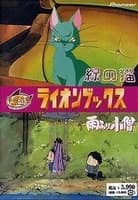
"The Green Cat" centers on a mysterious feline creature with emerald-green fur, discovered in a secluded forest by a young botanist named Haru. The cat, named Midori, possesses an otherworldly aura and exhibits abilities that defy natural laws, such as healing wounds and communicating telepathically. Haru takes Midori to a small rural town, where the cat’s presence begins to unravel long-buried secrets tied to the town’s history and its connection to an ancient legend.
The legend speaks of a guardian spirit that once protected the forest but vanished after a tragic betrayal by the townspeople centuries ago. As Midori’s powers grow more apparent, strange phenomena occur, including the revival of dormant plant life and the appearance of shadowy entities that seem to guard the forest. Haru, along with a local historian named Akira and a skeptical journalist named Rina, investigates the cat’s origins, uncovering a complex web of folklore, environmental themes, and human greed.
Midori’s existence becomes a focal point for conflict as various factions emerge, each with their own agenda. A corporation seeks to exploit the cat’s abilities for profit, while a secretive group of elders views Midori as a harbinger of doom, believing its return will bring retribution for the town’s past sins. Haru and her allies must navigate these tensions while protecting Midori and deciphering the truth behind the legend.
The narrative explores themes of coexistence between humans and nature, the consequences of exploitation, and the weight of historical guilt. Haru’s bond with Midori deepens as she learns to understand its purpose, while Akira provides historical context that ties the cat’s abilities to the town’s ecological decline. Rina’s skepticism gradually gives way to a sense of responsibility as she uncovers evidence of the corporation’s unethical practices.
As the story progresses, the forest itself becomes a character, reacting to Midori’s presence and the actions of those who enter it. The climax revolves around a confrontation in the heart of the forest, where the truth about the betrayal is revealed, and Midori’s role as a guardian spirit is fully realized. The resolution balances hope and melancholy, emphasizing the cyclical nature of history and the potential for redemption through understanding and respect for the natural world.
The legend speaks of a guardian spirit that once protected the forest but vanished after a tragic betrayal by the townspeople centuries ago. As Midori’s powers grow more apparent, strange phenomena occur, including the revival of dormant plant life and the appearance of shadowy entities that seem to guard the forest. Haru, along with a local historian named Akira and a skeptical journalist named Rina, investigates the cat’s origins, uncovering a complex web of folklore, environmental themes, and human greed.
Midori’s existence becomes a focal point for conflict as various factions emerge, each with their own agenda. A corporation seeks to exploit the cat’s abilities for profit, while a secretive group of elders views Midori as a harbinger of doom, believing its return will bring retribution for the town’s past sins. Haru and her allies must navigate these tensions while protecting Midori and deciphering the truth behind the legend.
The narrative explores themes of coexistence between humans and nature, the consequences of exploitation, and the weight of historical guilt. Haru’s bond with Midori deepens as she learns to understand its purpose, while Akira provides historical context that ties the cat’s abilities to the town’s ecological decline. Rina’s skepticism gradually gives way to a sense of responsibility as she uncovers evidence of the corporation’s unethical practices.
As the story progresses, the forest itself becomes a character, reacting to Midori’s presence and the actions of those who enter it. The climax revolves around a confrontation in the heart of the forest, where the truth about the betrayal is revealed, and Midori’s role as a guardian spirit is fully realized. The resolution balances hope and melancholy, emphasizing the cyclical nature of history and the potential for redemption through understanding and respect for the natural world.
Comment(s)
Staff
- Director
- StoryboardHiroshi Nishimura
- Original Manga
- Animation DirectorHiroshi Nishimura
- ProducerTakamasa Matsuya
- ScreenplayHiroshi Nishimura
- MusicReijirō Koroku
- Art DirectorSeiji Miyamoto
- Sound DirectorTsunehira Kawamura
Production
- ProductionTezuka ProductionsNHK