
Manga
Description
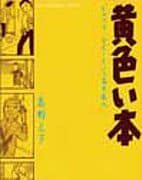
"Kiiroi Hon" is a manga series that explores themes of memory, identity, and the passage of time through its intricate narrative and character dynamics. The story centers on a young man named Shou, who discovers a mysterious yellow book in his late grandfather's study. This book, seemingly ordinary at first glance, holds the power to reveal fragments of forgotten memories when read. As Shou delves into its pages, he begins to uncover suppressed recollections from his own past, as well as those of people connected to him.
The narrative unfolds non-linearly, alternating between Shou's present-day life and the memories triggered by the yellow book. These memories often belong to individuals who have crossed paths with Shou or his family, revealing hidden connections and unresolved emotions. Among these characters is Shou's childhood friend, Aya, whose own memories intertwine with his in unexpected ways. Aya's recollections shed light on their shared history, including moments of joy, regret, and misunderstanding that have shaped their relationship.
Another key figure is Shou's grandfather, whose presence looms large throughout the story. Through the yellow book, Shou learns about his grandfather's life, including his struggles, aspirations, and the choices that ultimately defined him. These revelations force Shou to confront his own perceptions of family and legacy, as well as the weight of inherited memories.
The yellow book itself serves as a central motif, symbolizing the fragility and persistence of memory. Its contents are not always clear or complete, reflecting the fragmented nature of recollection. As Shou continues to read, he grapples with the ethical implications of accessing others' memories, questioning whether some truths are better left buried.
The series also introduces secondary characters whose lives intersect with Shou's in meaningful ways. These include a reclusive artist who once knew Shou's grandfather and a young woman searching for answers about her own forgotten past. Their stories add depth to the narrative, highlighting the interconnectedness of human experiences and the ways in which memories shape identity.
Throughout the series, the tone remains introspective and contemplative, with a focus on the emotional impact of memory. The artwork complements this tone, using subtle visual cues to distinguish between past and present, reality and recollection. The pacing is deliberate, allowing readers to absorb the weight of each revelation and its implications for the characters.
"Kiiroi Hon" is a thought-provoking exploration of how memories define and haunt individuals, weaving together personal and collective histories into a cohesive narrative. Its emphasis on character development and thematic depth makes it a compelling read for those interested in stories that delve into the complexities of human experience.
The narrative unfolds non-linearly, alternating between Shou's present-day life and the memories triggered by the yellow book. These memories often belong to individuals who have crossed paths with Shou or his family, revealing hidden connections and unresolved emotions. Among these characters is Shou's childhood friend, Aya, whose own memories intertwine with his in unexpected ways. Aya's recollections shed light on their shared history, including moments of joy, regret, and misunderstanding that have shaped their relationship.
Another key figure is Shou's grandfather, whose presence looms large throughout the story. Through the yellow book, Shou learns about his grandfather's life, including his struggles, aspirations, and the choices that ultimately defined him. These revelations force Shou to confront his own perceptions of family and legacy, as well as the weight of inherited memories.
The yellow book itself serves as a central motif, symbolizing the fragility and persistence of memory. Its contents are not always clear or complete, reflecting the fragmented nature of recollection. As Shou continues to read, he grapples with the ethical implications of accessing others' memories, questioning whether some truths are better left buried.
The series also introduces secondary characters whose lives intersect with Shou's in meaningful ways. These include a reclusive artist who once knew Shou's grandfather and a young woman searching for answers about her own forgotten past. Their stories add depth to the narrative, highlighting the interconnectedness of human experiences and the ways in which memories shape identity.
Throughout the series, the tone remains introspective and contemplative, with a focus on the emotional impact of memory. The artwork complements this tone, using subtle visual cues to distinguish between past and present, reality and recollection. The pacing is deliberate, allowing readers to absorb the weight of each revelation and its implications for the characters.
"Kiiroi Hon" is a thought-provoking exploration of how memories define and haunt individuals, weaving together personal and collective histories into a cohesive narrative. Its emphasis on character development and thematic depth makes it a compelling read for those interested in stories that delve into the complexities of human experience.
Comment(s)