
Manga
Description
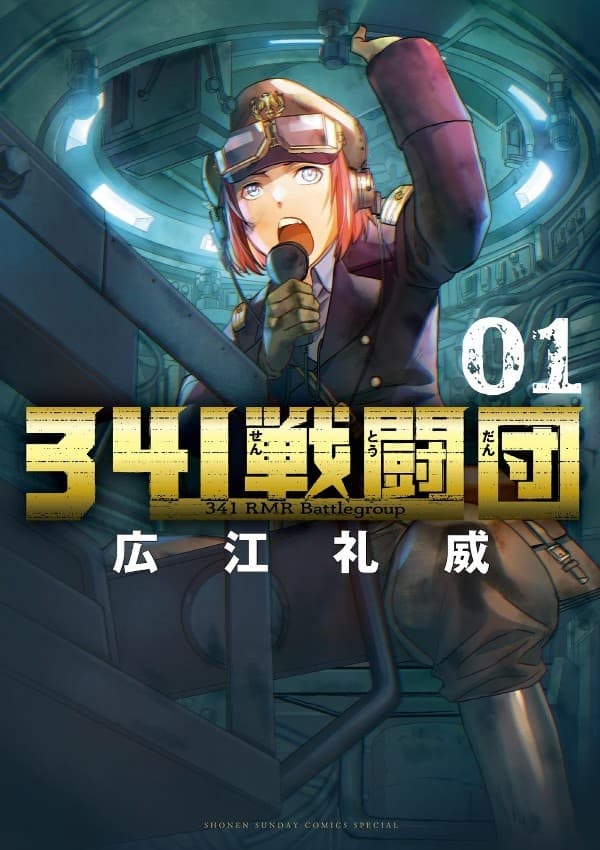
"341 Sentōdan" is a manga series set during World War II, focusing on the experiences of a Japanese infantry unit, the 341st Sentōdan, as they navigate the brutal realities of war. The narrative centers on a group of soldiers, primarily young men conscripted into service, who are thrust into the chaos of the Pacific Theater. The story begins with their training, highlighting the harsh discipline and camaraderie that forms among the unit. As the war progresses, the soldiers are deployed to various battlefronts, where they face not only enemy forces but also the psychological and physical toll of combat.
The protagonist, a young soldier named Hiroshi Tanaka, serves as the lens through which the story unfolds. Hiroshi is depicted as an ordinary individual, initially naive and unprepared for the horrors of war. His growth is marked by the gradual erosion of his idealism as he witnesses the death of comrades, the destruction of villages, and the moral ambiguities of warfare. Other key characters include Sergeant Masao Kobayashi, a seasoned and stoic leader who struggles to maintain order and morale, and Kenji Nakamura, a fellow recruit whose friendship with Hiroshi becomes a central emotional anchor amidst the chaos.
The plot is episodic, with each arc focusing on specific battles or missions, interspersed with moments of reflection and downtime. These segments explore themes of survival, loyalty, and the dehumanizing effects of war. The narrative does not shy away from depicting the grim realities of conflict, including the suffering of civilians, the futility of certain military strategies, and the internal conflicts within the unit. The series also delves into the broader historical context, incorporating real-world events and battles, such as the invasion of the Philippines and the defense of Okinawa.
As the war reaches its climax, the 341st Sentōdan faces increasingly dire circumstances. The unit is decimated by attrition, and the survivors are forced to confront their own mortality and the futility of their sacrifices. The final arcs focus on the aftermath of the war, exploring the survivors' attempts to rebuild their lives and grapple with the trauma they endured. The series concludes on a somber note, emphasizing the lasting scars of war on both individuals and society.
"341 Sentōdan" is a grounded and unflinching portrayal of wartime experiences, offering a detailed and humanizing perspective on the soldiers who fought in one of history's most devastating conflicts. The characters' struggles and relationships are central to the narrative, providing a poignant exploration of the human cost of war.
The protagonist, a young soldier named Hiroshi Tanaka, serves as the lens through which the story unfolds. Hiroshi is depicted as an ordinary individual, initially naive and unprepared for the horrors of war. His growth is marked by the gradual erosion of his idealism as he witnesses the death of comrades, the destruction of villages, and the moral ambiguities of warfare. Other key characters include Sergeant Masao Kobayashi, a seasoned and stoic leader who struggles to maintain order and morale, and Kenji Nakamura, a fellow recruit whose friendship with Hiroshi becomes a central emotional anchor amidst the chaos.
The plot is episodic, with each arc focusing on specific battles or missions, interspersed with moments of reflection and downtime. These segments explore themes of survival, loyalty, and the dehumanizing effects of war. The narrative does not shy away from depicting the grim realities of conflict, including the suffering of civilians, the futility of certain military strategies, and the internal conflicts within the unit. The series also delves into the broader historical context, incorporating real-world events and battles, such as the invasion of the Philippines and the defense of Okinawa.
As the war reaches its climax, the 341st Sentōdan faces increasingly dire circumstances. The unit is decimated by attrition, and the survivors are forced to confront their own mortality and the futility of their sacrifices. The final arcs focus on the aftermath of the war, exploring the survivors' attempts to rebuild their lives and grapple with the trauma they endured. The series concludes on a somber note, emphasizing the lasting scars of war on both individuals and society.
"341 Sentōdan" is a grounded and unflinching portrayal of wartime experiences, offering a detailed and humanizing perspective on the soldiers who fought in one of history's most devastating conflicts. The characters' struggles and relationships are central to the narrative, providing a poignant exploration of the human cost of war.
Comment(s)
Staff
- Story & Art