Manga
Description
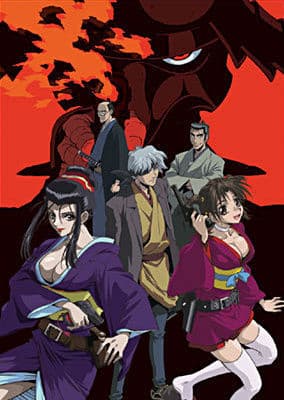
"Samurai Gun" is set in an alternate version of Japan during the late Edo period, blending historical elements with speculative fiction. The narrative unfolds in a world where advanced firearms, known as "Samurai Guns," have been introduced, altering the traditional dynamics of samurai warfare. These weapons are highly coveted and symbolize both power and destruction, as they grant their wielders immense combat capabilities.
The protagonist, Ichimatsu, is a skilled but emotionally scarred samurai who wields one of these powerful guns. He is driven by a deep sense of justice and a desire to protect the innocent, though his methods often blur the line between heroism and vengeance. Ichimatsu operates as a lone warrior, navigating a morally ambiguous landscape where corrupt officials, rival factions, and shadowy organizations vie for control of the Samurai Guns. His journey is marked by encounters with allies and adversaries, each with their own motivations and connections to the broader conflict.
The central conflict revolves around the struggle for control over the Samurai Guns, which are seen as tools of liberation by some and instruments of oppression by others. Various factions, including the ruling shogunate, rebel groups, and foreign agents, seek to harness their power for their own ends. Ichimatsu becomes entangled in this web of intrigue, often finding himself at odds with both enemies and supposed allies. His actions frequently challenge the status quo, forcing him to confront the ethical implications of wielding such destructive power.
Supporting characters include Kanna, a determined and resourceful woman who aids Ichimatsu in his quest, and Shinsaku, a former comrade whose ideals have diverged sharply from Ichimatsu's. These characters add depth to the narrative, highlighting themes of loyalty, betrayal, and the cost of pursuing justice in a fractured world. The story also explores the impact of technological advancement on traditional values, as the introduction of Samurai Guns disrupts the established order and forces characters to adapt to a rapidly changing society.
The plot is driven by a series of interconnected arcs, each focusing on Ichimatsu's efforts to dismantle the forces exploiting the Samurai Guns while grappling with his own inner demons. The narrative balances action-packed sequences with moments of introspection, delving into the psychological toll of Ichimatsu's mission. As the story progresses, the stakes escalate, culminating in a climactic confrontation that challenges the protagonist's resolve and reshapes the world around him.
The protagonist, Ichimatsu, is a skilled but emotionally scarred samurai who wields one of these powerful guns. He is driven by a deep sense of justice and a desire to protect the innocent, though his methods often blur the line between heroism and vengeance. Ichimatsu operates as a lone warrior, navigating a morally ambiguous landscape where corrupt officials, rival factions, and shadowy organizations vie for control of the Samurai Guns. His journey is marked by encounters with allies and adversaries, each with their own motivations and connections to the broader conflict.
The central conflict revolves around the struggle for control over the Samurai Guns, which are seen as tools of liberation by some and instruments of oppression by others. Various factions, including the ruling shogunate, rebel groups, and foreign agents, seek to harness their power for their own ends. Ichimatsu becomes entangled in this web of intrigue, often finding himself at odds with both enemies and supposed allies. His actions frequently challenge the status quo, forcing him to confront the ethical implications of wielding such destructive power.
Supporting characters include Kanna, a determined and resourceful woman who aids Ichimatsu in his quest, and Shinsaku, a former comrade whose ideals have diverged sharply from Ichimatsu's. These characters add depth to the narrative, highlighting themes of loyalty, betrayal, and the cost of pursuing justice in a fractured world. The story also explores the impact of technological advancement on traditional values, as the introduction of Samurai Guns disrupts the established order and forces characters to adapt to a rapidly changing society.
The plot is driven by a series of interconnected arcs, each focusing on Ichimatsu's efforts to dismantle the forces exploiting the Samurai Guns while grappling with his own inner demons. The narrative balances action-packed sequences with moments of introspection, delving into the psychological toll of Ichimatsu's mission. As the story progresses, the stakes escalate, culminating in a climactic confrontation that challenges the protagonist's resolve and reshapes the world around him.
Comment(s)
Staff
- Story & ArtKazuhiro Kumagai
Relations
Anime overview