Manga
Description
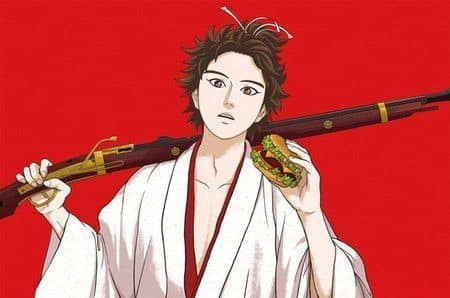
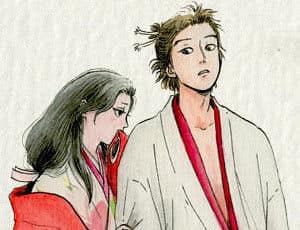
"Nobunaga Concerto" is a historical fantasy manga that reimagines the life of Oda Nobunaga, one of Japan's most famous feudal lords. The story begins when Saburou, a modern-day high school student, accidentally falls back in time to the Sengoku period. After this sudden time travel, Saburou encounters a young Oda Nobunaga, who bears an uncanny resemblance to him. Nobunaga, physically weak and disinterested in leadership, persuades Saburou to take his place, entrusting him with the responsibility of leading the Oda clan. Despite his initial reluctance and lack of historical knowledge, Saburou assumes the identity of Nobunaga and begins to navigate the treacherous political landscape of feudal Japan.
As Saburou steps into Nobunaga's role, he brings a unique perspective shaped by his modern sensibilities. His unconventional methods and progressive thinking often clash with the rigid traditions of the era, yet they prove effective in uniting territories and gaining allies. Key historical figures such as Akechi Mitsuhide, Toyotomi Hideyoshi, and Tokugawa Ieyasu play significant roles in the narrative, their relationships with Saburou evolving as he reshapes the course of history. Saburou's journey is marked by both triumphs and challenges as he strives to maintain his dual identity while avoiding detection by those who might suspect his true origins.
The manga explores themes of leadership, identity, and the impact of individual actions on history. Saburou's efforts to modernize and unify Japan are juxtaposed with the moral dilemmas he faces, as his decisions often have far-reaching consequences. The story balances historical events with creative liberties, blending factual elements with fictionalized interpretations to create a compelling narrative. Through Saburou's eyes, the complexities of the Sengoku period are brought to life, offering a fresh perspective on a well-documented era in Japanese history.
As Saburou steps into Nobunaga's role, he brings a unique perspective shaped by his modern sensibilities. His unconventional methods and progressive thinking often clash with the rigid traditions of the era, yet they prove effective in uniting territories and gaining allies. Key historical figures such as Akechi Mitsuhide, Toyotomi Hideyoshi, and Tokugawa Ieyasu play significant roles in the narrative, their relationships with Saburou evolving as he reshapes the course of history. Saburou's journey is marked by both triumphs and challenges as he strives to maintain his dual identity while avoiding detection by those who might suspect his true origins.
The manga explores themes of leadership, identity, and the impact of individual actions on history. Saburou's efforts to modernize and unify Japan are juxtaposed with the moral dilemmas he faces, as his decisions often have far-reaching consequences. The story balances historical events with creative liberties, blending factual elements with fictionalized interpretations to create a compelling narrative. Through Saburou's eyes, the complexities of the Sengoku period are brought to life, offering a fresh perspective on a well-documented era in Japanese history.
Comment(s)
Relations
Anime overview