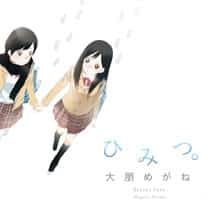
Manga
Description
"Himitsu" is a psychological thriller manga that explores themes of identity, memory, and the ethical implications of advanced technology. The narrative centers around the concept of brain scanning, a revolutionary procedure that allows the memories of a deceased person to be transferred into the mind of a living individual. This technology, developed by the National Research Institute of Police Science, becomes the focal point of the story as it is used to solve crimes by accessing the memories of victims.
The protagonist, Aoki, is a forensic investigator who loses his wife, Satoko, in a tragic accident. Devastated by her death, Aoki agrees to participate in an experimental procedure where Satoko's memories are implanted into his brain. This allows him to interact with her consciousness, effectively keeping her "alive" within his mind. However, the integration of Satoko's memories begins to blur the lines between their identities, leading to psychological strain and ethical dilemmas.
As Aoki navigates this complex situation, he becomes involved in a series of criminal investigations where the brain-scanning technology is employed to uncover the truth. The memories of victims and suspects are accessed to piece together events, but this process raises questions about privacy, consent, and the nature of self. The narrative delves into the consequences of tampering with human memory and the potential for abuse of such powerful technology.
Supporting characters include Dr. Yuko Ogami, the scientist behind the brain-scanning technology, who grapples with the moral implications of her work. Inspector Kosaka, Aoki's colleague, provides a grounded perspective on the investigations, often questioning the ethical boundaries of using the technology. The interplay between these characters highlights the tension between scientific advancement and human values.
The plot unfolds through a series of interconnected cases, each revealing new facets of the brain-scanning technology and its impact on individuals and society. Aoki's internal struggle with Satoko's presence in his mind serves as a continuous thread, exploring themes of grief, love, and the fragility of human identity. The story builds toward a climax that challenges the characters to confront the ultimate consequences of their actions and the limits of their understanding of the human mind.
The protagonist, Aoki, is a forensic investigator who loses his wife, Satoko, in a tragic accident. Devastated by her death, Aoki agrees to participate in an experimental procedure where Satoko's memories are implanted into his brain. This allows him to interact with her consciousness, effectively keeping her "alive" within his mind. However, the integration of Satoko's memories begins to blur the lines between their identities, leading to psychological strain and ethical dilemmas.
As Aoki navigates this complex situation, he becomes involved in a series of criminal investigations where the brain-scanning technology is employed to uncover the truth. The memories of victims and suspects are accessed to piece together events, but this process raises questions about privacy, consent, and the nature of self. The narrative delves into the consequences of tampering with human memory and the potential for abuse of such powerful technology.
Supporting characters include Dr. Yuko Ogami, the scientist behind the brain-scanning technology, who grapples with the moral implications of her work. Inspector Kosaka, Aoki's colleague, provides a grounded perspective on the investigations, often questioning the ethical boundaries of using the technology. The interplay between these characters highlights the tension between scientific advancement and human values.
The plot unfolds through a series of interconnected cases, each revealing new facets of the brain-scanning technology and its impact on individuals and society. Aoki's internal struggle with Satoko's presence in his mind serves as a continuous thread, exploring themes of grief, love, and the fragility of human identity. The story builds toward a climax that challenges the characters to confront the ultimate consequences of their actions and the limits of their understanding of the human mind.
Comment(s)
Staff
- Story & ArtMegane Ōtomo