
Manga
Description
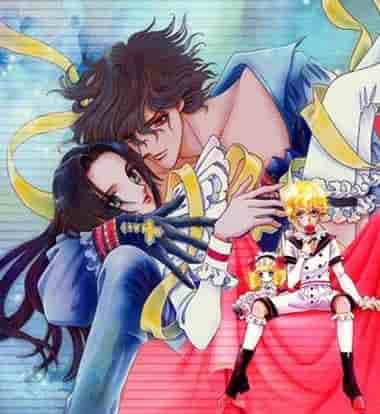
"The World Exists for Me" is a manga series that explores themes of existentialism, identity, and the interconnectedness of individuals within a surreal and often fragmented narrative. The story centers on a young protagonist, whose name is deliberately ambiguous, navigating a world that seems to exist solely for their perception. This world is populated by enigmatic characters who blur the lines between reality and illusion, each representing different facets of the protagonist's psyche or external influences.
The narrative unfolds in a non-linear fashion, with events and timelines often overlapping or shifting unpredictably. The protagonist encounters a series of seemingly random yet deeply symbolic events, each challenging their understanding of self and purpose. Key characters include a mysterious guide figure who appears at critical moments to offer cryptic advice, a shadowy antagonist who embodies the protagonist's doubts and fears, and a group of companions who represent various aspects of human emotion and experience.
As the story progresses, the protagonist is forced to confront the nature of their existence and the possibility that their reality is a construct of their own mind. The world around them becomes increasingly unstable, with landscapes and characters morphing in response to the protagonist's emotional state. The series delves into philosophical questions about free will, the nature of reality, and the meaning of individual existence, often leaving these questions unresolved to provoke thought and interpretation.
The plot is driven by a series of episodic encounters, each contributing to the protagonist's gradual self-discovery. These encounters are marked by surreal imagery and abstract dialogue, creating a dreamlike atmosphere that underscores the series' thematic focus. The manga's pacing is deliberate, with moments of introspection and philosophical musing interspersed with bursts of action and tension.
Ultimately, "The World Exists for Me" is a thought-provoking exploration of identity and perception, using its fragmented narrative and symbolic characters to challenge conventional storytelling and engage readers in a deeper contemplation of existence. The series remains open-ended, inviting multiple interpretations and leaving its central questions unanswered, much like the existential dilemmas it portrays.
The narrative unfolds in a non-linear fashion, with events and timelines often overlapping or shifting unpredictably. The protagonist encounters a series of seemingly random yet deeply symbolic events, each challenging their understanding of self and purpose. Key characters include a mysterious guide figure who appears at critical moments to offer cryptic advice, a shadowy antagonist who embodies the protagonist's doubts and fears, and a group of companions who represent various aspects of human emotion and experience.
As the story progresses, the protagonist is forced to confront the nature of their existence and the possibility that their reality is a construct of their own mind. The world around them becomes increasingly unstable, with landscapes and characters morphing in response to the protagonist's emotional state. The series delves into philosophical questions about free will, the nature of reality, and the meaning of individual existence, often leaving these questions unresolved to provoke thought and interpretation.
The plot is driven by a series of episodic encounters, each contributing to the protagonist's gradual self-discovery. These encounters are marked by surreal imagery and abstract dialogue, creating a dreamlike atmosphere that underscores the series' thematic focus. The manga's pacing is deliberate, with moments of introspection and philosophical musing interspersed with bursts of action and tension.
Ultimately, "The World Exists for Me" is a thought-provoking exploration of identity and perception, using its fragmented narrative and symbolic characters to challenge conventional storytelling and engage readers in a deeper contemplation of existence. The series remains open-ended, inviting multiple interpretations and leaving its central questions unanswered, much like the existential dilemmas it portrays.
Comment(s)
Staff
- Story
- ArtChiho Saitō