
Manga
Description
Through a cracked door, heartsick Emi hears a playful growl and cautiously lets in her lover, a wolf of a man with a bouquet of roses. She fantasizes about the broadness of his chest and becoming his mistress once again. For a young woman interested in love without the hassle of a traditional relationship, an affair with someone else’s spoiled husband is just what she ordered, until it is time to move on. This is the opening of A Blue Flame, one of two stories in the collection Second Hand Love by Murasaki Yamada. The narrative then shifts to Yuko, a woman with even less patience for married men’s entanglements. She turns her attention to her aging father and the guilt of adultery that has gnawed at his heart for years. Her mother is long dead, yet her memory is enshrined for eternity in their mirrored indiscretions.
Set in Japan during the 1980s, the collection presents a feminist examination of love, infidelity, and the complexities of human relationships. The first story follows Emi, who knowingly engages in a relationship with a married man. Initially continuing the affair despite warnings from others, she eventually realizes she feels disrespected by the arrangement. The title story follows Yuko, who reflects on how her father’s past infidelity shaped her childhood and continues to influence her own relationships with men as an adult. Her father, now wracked with regret after her mother’s death, wishes he had never been unfaithful.
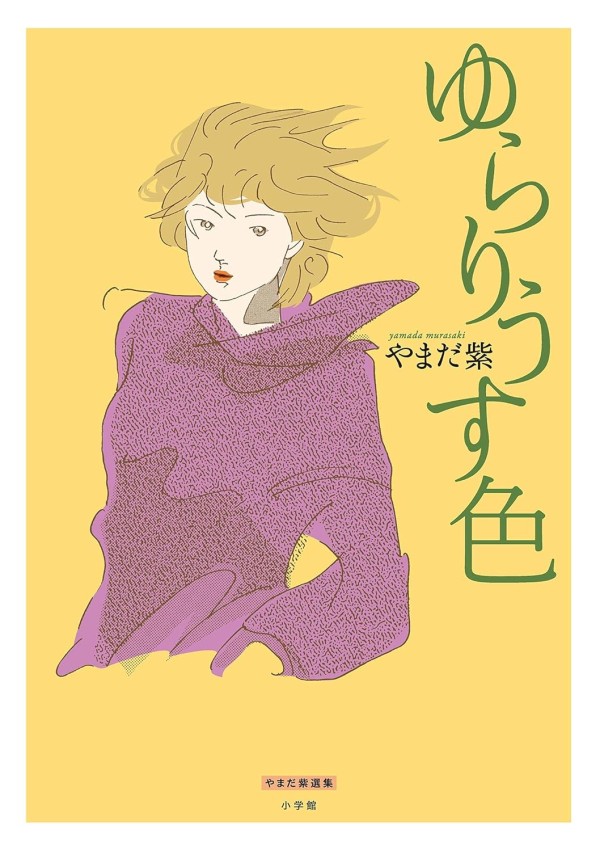
Notable narrative arcs include Emi’s gradual shift from seeking carefree passion to recognizing her own need for respect, and Yuko’s confrontation with her family’s legacy of adultery, which forces her to reconsider her own romantic choices. Rather than following a conventional plot, the stories are presented as episodic glimpses into the protagonists’ lives, capturing key moments of realization and emotional turning points. The collection is drawn in a realistic gekiga style with fine lines and empty backgrounds that emphasize character interiority over external detail, reflecting the artist’s interest in portraying the unromantic realities of domestic life and female desire.
Set in Japan during the 1980s, the collection presents a feminist examination of love, infidelity, and the complexities of human relationships. The first story follows Emi, who knowingly engages in a relationship with a married man. Initially continuing the affair despite warnings from others, she eventually realizes she feels disrespected by the arrangement. The title story follows Yuko, who reflects on how her father’s past infidelity shaped her childhood and continues to influence her own relationships with men as an adult. Her father, now wracked with regret after her mother’s death, wishes he had never been unfaithful.
Notable narrative arcs include Emi’s gradual shift from seeking carefree passion to recognizing her own need for respect, and Yuko’s confrontation with her family’s legacy of adultery, which forces her to reconsider her own romantic choices. Rather than following a conventional plot, the stories are presented as episodic glimpses into the protagonists’ lives, capturing key moments of realization and emotional turning points. The collection is drawn in a realistic gekiga style with fine lines and empty backgrounds that emphasize character interiority over external detail, reflecting the artist’s interest in portraying the unromantic realities of domestic life and female desire.
Comment(s)
Staff
- Story & ArtMurasaki Yamada