
Manga
Description
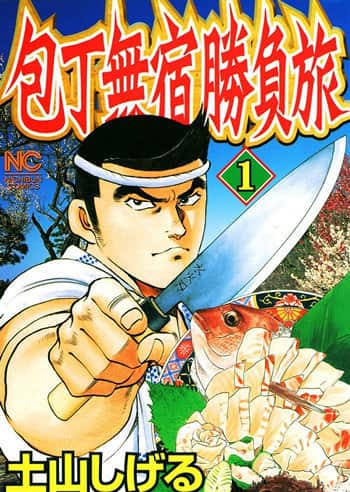
"Hōchō Mushuku Shōbu Tabi" is a manga series that blends elements of historical fiction, culinary arts, and action. The narrative centers on a wandering chef named Shōta, who roams feudal Japan in search of rare ingredients and culinary inspiration. Shōta’s journey is not merely a quest for gastronomic excellence but also a means of survival, as he often finds himself entangled in conflicts that require both his cooking skills and swordsmanship.
The story begins with Shōta, a former samurai who has abandoned his warrior past to pursue a life dedicated to the art of cooking. Armed with a unique knife that doubles as a weapon, he travels from village to village, offering his culinary expertise in exchange for food and shelter. His reputation as a master chef precedes him, attracting both admirers and adversaries. Along the way, Shōta encounters a diverse cast of characters, including rival chefs, corrupt officials, and fellow wanderers, each with their own motivations and challenges.
A recurring theme is the intersection of food and conflict. Shōta often uses his culinary skills to resolve disputes, whether by preparing a meal that symbolizes reconciliation or by engaging in high-stakes cooking battles known as "shōbu." These battles are not only tests of skill but also deeply personal, as they often involve uncovering hidden truths or settling old scores. The series delves into the cultural and historical significance of food in feudal Japan, highlighting how cuisine serves as both a unifying force and a source of contention.
The plot is episodic, with each arc focusing on a specific location or challenge. However, an overarching narrative gradually emerges as Shōta’s past is revealed through flashbacks and encounters with figures from his former life. These revelations add depth to his character, showing how his experiences as a samurai continue to shape his journey as a chef. The series also explores themes of redemption, identity, and the pursuit of mastery, as Shōta strives to reconcile his dual roles as a warrior and a cook.
Supporting characters play significant roles in shaping the story. Among them is Rin, a young orphan who becomes Shōta’s apprentice and provides a counterbalance to his stoic demeanor. Rin’s growth as a chef and her interactions with Shōta add emotional weight to the narrative. Other notable figures include rival chefs who challenge Shōta’s skills and authority figures who exploit their power to manipulate the culinary world.
The series is rich in historical and cultural detail, offering insights into the traditions, techniques, and ingredients of Japanese cuisine during the feudal era. The meticulous portrayal of cooking processes and the significance of food in various social contexts enhance the authenticity of the setting. At the same time, the action sequences, particularly the shōbu battles, are dynamic and integral to the plot, showcasing Shōta’s ability to wield both a knife and a sword with precision.
Overall, "Hōchō Mushuku Shōbu Tabi" presents a compelling blend of culinary artistry and historical drama, driven by a protagonist whose journey is as much about self-discovery as it is about mastering the craft of cooking. The episodic structure allows for a diverse range of stories, while the gradual unfolding of Shōta’s past ties the narrative together, creating a cohesive and engaging tale.
The story begins with Shōta, a former samurai who has abandoned his warrior past to pursue a life dedicated to the art of cooking. Armed with a unique knife that doubles as a weapon, he travels from village to village, offering his culinary expertise in exchange for food and shelter. His reputation as a master chef precedes him, attracting both admirers and adversaries. Along the way, Shōta encounters a diverse cast of characters, including rival chefs, corrupt officials, and fellow wanderers, each with their own motivations and challenges.
A recurring theme is the intersection of food and conflict. Shōta often uses his culinary skills to resolve disputes, whether by preparing a meal that symbolizes reconciliation or by engaging in high-stakes cooking battles known as "shōbu." These battles are not only tests of skill but also deeply personal, as they often involve uncovering hidden truths or settling old scores. The series delves into the cultural and historical significance of food in feudal Japan, highlighting how cuisine serves as both a unifying force and a source of contention.
The plot is episodic, with each arc focusing on a specific location or challenge. However, an overarching narrative gradually emerges as Shōta’s past is revealed through flashbacks and encounters with figures from his former life. These revelations add depth to his character, showing how his experiences as a samurai continue to shape his journey as a chef. The series also explores themes of redemption, identity, and the pursuit of mastery, as Shōta strives to reconcile his dual roles as a warrior and a cook.
Supporting characters play significant roles in shaping the story. Among them is Rin, a young orphan who becomes Shōta’s apprentice and provides a counterbalance to his stoic demeanor. Rin’s growth as a chef and her interactions with Shōta add emotional weight to the narrative. Other notable figures include rival chefs who challenge Shōta’s skills and authority figures who exploit their power to manipulate the culinary world.
The series is rich in historical and cultural detail, offering insights into the traditions, techniques, and ingredients of Japanese cuisine during the feudal era. The meticulous portrayal of cooking processes and the significance of food in various social contexts enhance the authenticity of the setting. At the same time, the action sequences, particularly the shōbu battles, are dynamic and integral to the plot, showcasing Shōta’s ability to wield both a knife and a sword with precision.
Overall, "Hōchō Mushuku Shōbu Tabi" presents a compelling blend of culinary artistry and historical drama, driven by a protagonist whose journey is as much about self-discovery as it is about mastering the craft of cooking. The episodic structure allows for a diverse range of stories, while the gradual unfolding of Shōta’s past ties the narrative together, creating a cohesive and engaging tale.
Comment(s)