
Manga
Description
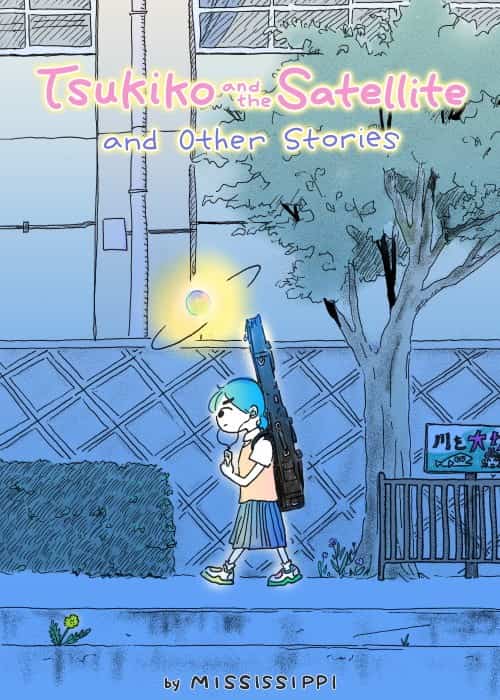
"Tsukiko and the Satellite and other stories" is a collection of interconnected short stories that blend science fiction, slice-of-life, and introspective themes. The central narrative revolves around Tsukiko, a young woman living in a near-future world where humanity has begun to explore space more extensively. Her life takes an unexpected turn when she encounters a sentient satellite that has fallen to Earth. The satellite, which possesses a form of artificial intelligence, forms a unique bond with Tsukiko, leading to a series of events that explore themes of loneliness, connection, and the boundaries between humanity and technology.
The satellite, though initially a mysterious and enigmatic presence, gradually reveals its purpose and history, intertwining its existence with Tsukiko's personal struggles. As Tsukiko navigates her own feelings of isolation and displacement, the satellite becomes a catalyst for her self-discovery and growth. Their relationship evolves from curiosity to mutual dependence, highlighting the ways in which technology can both alienate and bring people closer together.
Interspersed with this central narrative are other stories that expand on the world and its themes. These include vignettes about individuals affected by the satellite's presence, as well as broader explorations of societal changes brought about by advancements in space exploration and artificial intelligence. Each story contributes to a cohesive tapestry, offering different perspectives on the impact of technology on human relationships and identity.
The characters are grounded and relatable, with Tsukiko serving as an empathetic protagonist whose journey resonates with themes of resilience and adaptation. The satellite, while non-human, is portrayed with a sense of personality and depth, challenging traditional notions of what it means to be alive. Supporting characters, such as Tsukiko's friends and family, provide additional layers to the narrative, reflecting the diverse ways in which people cope with change and uncertainty.
The plot is driven by a balance of quiet, reflective moments and subtle, science-fiction-driven developments. The pacing allows for introspection, emphasizing the emotional and philosophical dimensions of the story. The world-building is understated yet effective, presenting a future that feels both familiar and distinctly altered by technological progress.
Overall, "Tsukiko and the Satellite and other stories" is a thoughtful exploration of human connection in an increasingly technological world, blending speculative elements with deeply personal storytelling. Its focus on character-driven narratives and thematic depth makes it a compelling read for fans of science fiction and slice-of-life genres.
The satellite, though initially a mysterious and enigmatic presence, gradually reveals its purpose and history, intertwining its existence with Tsukiko's personal struggles. As Tsukiko navigates her own feelings of isolation and displacement, the satellite becomes a catalyst for her self-discovery and growth. Their relationship evolves from curiosity to mutual dependence, highlighting the ways in which technology can both alienate and bring people closer together.
Interspersed with this central narrative are other stories that expand on the world and its themes. These include vignettes about individuals affected by the satellite's presence, as well as broader explorations of societal changes brought about by advancements in space exploration and artificial intelligence. Each story contributes to a cohesive tapestry, offering different perspectives on the impact of technology on human relationships and identity.
The characters are grounded and relatable, with Tsukiko serving as an empathetic protagonist whose journey resonates with themes of resilience and adaptation. The satellite, while non-human, is portrayed with a sense of personality and depth, challenging traditional notions of what it means to be alive. Supporting characters, such as Tsukiko's friends and family, provide additional layers to the narrative, reflecting the diverse ways in which people cope with change and uncertainty.
The plot is driven by a balance of quiet, reflective moments and subtle, science-fiction-driven developments. The pacing allows for introspection, emphasizing the emotional and philosophical dimensions of the story. The world-building is understated yet effective, presenting a future that feels both familiar and distinctly altered by technological progress.
Overall, "Tsukiko and the Satellite and other stories" is a thoughtful exploration of human connection in an increasingly technological world, blending speculative elements with deeply personal storytelling. Its focus on character-driven narratives and thematic depth makes it a compelling read for fans of science fiction and slice-of-life genres.
Comment(s)
Staff
- Story & ArtMISSISSIPPI