
Manga
Description
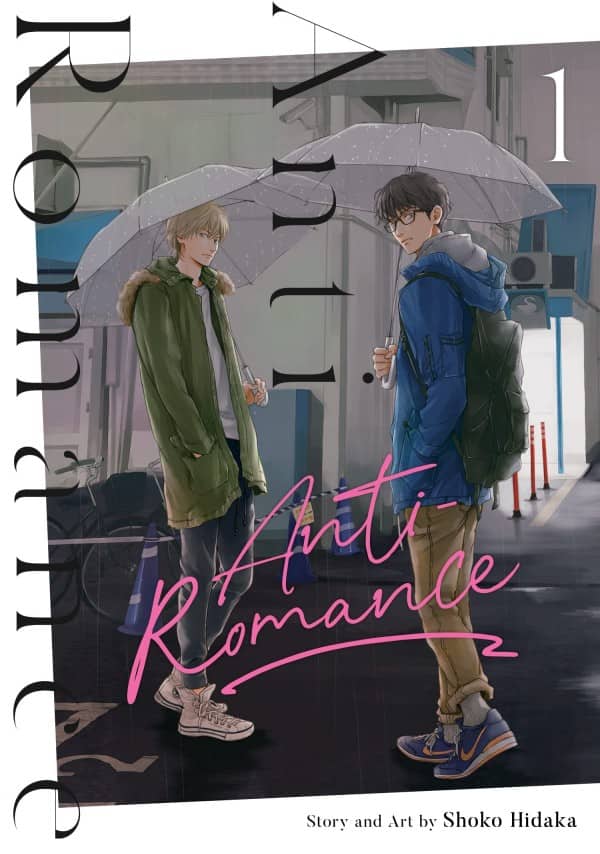
"Anti-Romance" is a manga series that explores themes of love, relationships, and personal growth through a lens that subverts traditional romantic tropes. The narrative centers on two main characters, Yoo Na-bi and Park Jae-eon, whose dynamic evolves from a casual, non-committal relationship to a deeper, more complex connection. Na-bi, a college student studying sculpture, is initially drawn to Jae-eon, a charismatic and enigmatic classmate, due to his carefree attitude and striking appearance. However, their relationship is marked by ambiguity and emotional distance, as Jae-eon avoids labeling their connection, leaving Na-bi grappling with her feelings and self-worth.
The story delves into the emotional struggles of both characters, particularly Na-bi’s journey of self-discovery and her attempts to reconcile her desire for a meaningful relationship with Jae-eon’s reluctance to commit. Jae-eon, while charming and seemingly confident, harbors his own insecurities and emotional baggage, which contribute to his avoidance of serious relationships. The narrative also introduces secondary characters, such as Na-bi’s friends and other romantic interests, who provide additional perspectives on love and relationships, further complicating the central dynamic.
As the story progresses, the characters confront their vulnerabilities and the consequences of their actions. Na-bi’s growth is particularly emphasized as she learns to prioritize her own emotional well-being over her attachment to Jae-eon. The series challenges conventional notions of romance, portraying relationships as messy, imperfect, and often fraught with misunderstandings. The pacing and structure of the narrative allow for a nuanced exploration of the characters’ inner lives, making their interactions and decisions feel grounded and relatable.
"Anti-Romance" stands out for its realistic portrayal of modern relationships, avoiding idealized depictions of love in favor of a more introspective and sometimes bittersweet approach. The series does not shy away from depicting the complexities of human emotions, making it a compelling read for those interested in character-driven stories that examine the intricacies of love and self-identity.
The story delves into the emotional struggles of both characters, particularly Na-bi’s journey of self-discovery and her attempts to reconcile her desire for a meaningful relationship with Jae-eon’s reluctance to commit. Jae-eon, while charming and seemingly confident, harbors his own insecurities and emotional baggage, which contribute to his avoidance of serious relationships. The narrative also introduces secondary characters, such as Na-bi’s friends and other romantic interests, who provide additional perspectives on love and relationships, further complicating the central dynamic.
As the story progresses, the characters confront their vulnerabilities and the consequences of their actions. Na-bi’s growth is particularly emphasized as she learns to prioritize her own emotional well-being over her attachment to Jae-eon. The series challenges conventional notions of romance, portraying relationships as messy, imperfect, and often fraught with misunderstandings. The pacing and structure of the narrative allow for a nuanced exploration of the characters’ inner lives, making their interactions and decisions feel grounded and relatable.
"Anti-Romance" stands out for its realistic portrayal of modern relationships, avoiding idealized depictions of love in favor of a more introspective and sometimes bittersweet approach. The series does not shy away from depicting the complexities of human emotions, making it a compelling read for those interested in character-driven stories that examine the intricacies of love and self-identity.
Comment(s)
Staff
- Story & ArtShoko Hidaka