
Manga
Description
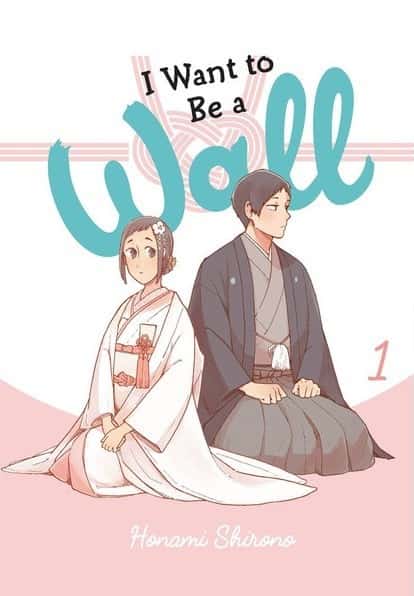
"I Want to Be a Wall" centers on the unconventional marriage between Yuriko, an asexual woman, and Gakurouta, a gay man. The two enter into a marriage of convenience to fulfill societal expectations and avoid the pressures of traditional relationships. Yuriko, who has no interest in romantic or sexual relationships, finds solace in her love for fictional characters and her quiet, introspective nature. Gakurouta, on the other hand, struggles with his unrequited feelings for a male colleague while navigating the complexities of his identity within a heteronormative society.
The narrative explores their daily lives as they coexist in a platonic partnership, offering mutual support and understanding. Yuriko and Gakurouta’s relationship is built on honesty and respect, as they openly acknowledge their lack of romantic or sexual attraction to each other. Their dynamic challenges conventional notions of marriage, highlighting the importance of companionship and emotional connection over societal norms.
Secondary characters, such as Gakurouta’s colleague and Yuriko’s friends, provide additional layers to the story, reflecting the broader societal attitudes toward relationships and identity. The manga delves into themes of self-acceptance, the fluidity of human connections, and the ways individuals navigate their identities in a world that often demands conformity. Through its grounded and empathetic portrayal of its protagonists, "I Want to Be a Wall" offers a nuanced exploration of love, partnership, and the diverse ways people find fulfillment in their lives.
The narrative explores their daily lives as they coexist in a platonic partnership, offering mutual support and understanding. Yuriko and Gakurouta’s relationship is built on honesty and respect, as they openly acknowledge their lack of romantic or sexual attraction to each other. Their dynamic challenges conventional notions of marriage, highlighting the importance of companionship and emotional connection over societal norms.
Secondary characters, such as Gakurouta’s colleague and Yuriko’s friends, provide additional layers to the story, reflecting the broader societal attitudes toward relationships and identity. The manga delves into themes of self-acceptance, the fluidity of human connections, and the ways individuals navigate their identities in a world that often demands conformity. Through its grounded and empathetic portrayal of its protagonists, "I Want to Be a Wall" offers a nuanced exploration of love, partnership, and the diverse ways people find fulfillment in their lives.
Comment(s)
Staff
- Story & ArtHonami Shirono