
Manga
Description
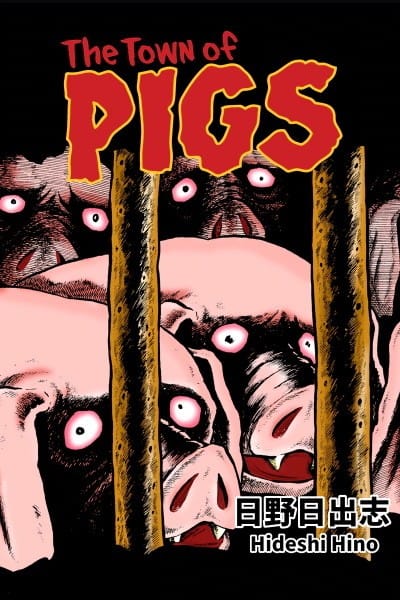
"The Town of Pigs" is a psychological horror manga that explores themes of identity, societal conformity, and the darker aspects of human nature. The narrative is set in a dystopian town where the inhabitants are divided into two distinct groups: humans and pig-like creatures. The humans live in relative comfort and privilege, while the pig-like beings are subjected to oppression and exploitation, serving as a labor force and often facing brutal treatment.
The protagonist, a young man named Hiroshi, begins to question the rigid social hierarchy after encountering a pig-like individual who exhibits human-like intelligence and emotions. This encounter sparks a crisis of conscience in Hiroshi, leading him to investigate the origins of the town and the true nature of its inhabitants. As he delves deeper, he uncovers unsettling truths about the town's history, including the possibility that the pig-like creatures were once human, transformed through a combination of societal conditioning and scientific experimentation.
Hiroshi's journey is fraught with tension and moral ambiguity. He forms alliances with both humans and pig-like beings, each with their own motivations and secrets. The narrative explores the complexities of power, prejudice, and the lengths to which individuals will go to maintain their status quo. The town itself serves as a microcosm of broader societal issues, with its oppressive structures and the dehumanization of the marginalized reflecting real-world concerns.
The manga's pacing is deliberate, with a focus on psychological tension and character development. Hiroshi's internal struggles and the shifting dynamics between the characters drive the plot forward, culminating in a series of revelations that challenge the reader's perceptions of morality and justice. The story does not offer easy answers, instead leaving the audience to grapple with the ethical dilemmas presented.
"The Town of Pigs" is a thought-provoking work that uses its dystopian setting to explore profound questions about humanity, identity, and the consequences of societal division. Its intricate plot and morally complex characters make it a compelling read for fans of psychological and horror genres.
The protagonist, a young man named Hiroshi, begins to question the rigid social hierarchy after encountering a pig-like individual who exhibits human-like intelligence and emotions. This encounter sparks a crisis of conscience in Hiroshi, leading him to investigate the origins of the town and the true nature of its inhabitants. As he delves deeper, he uncovers unsettling truths about the town's history, including the possibility that the pig-like creatures were once human, transformed through a combination of societal conditioning and scientific experimentation.
Hiroshi's journey is fraught with tension and moral ambiguity. He forms alliances with both humans and pig-like beings, each with their own motivations and secrets. The narrative explores the complexities of power, prejudice, and the lengths to which individuals will go to maintain their status quo. The town itself serves as a microcosm of broader societal issues, with its oppressive structures and the dehumanization of the marginalized reflecting real-world concerns.
The manga's pacing is deliberate, with a focus on psychological tension and character development. Hiroshi's internal struggles and the shifting dynamics between the characters drive the plot forward, culminating in a series of revelations that challenge the reader's perceptions of morality and justice. The story does not offer easy answers, instead leaving the audience to grapple with the ethical dilemmas presented.
"The Town of Pigs" is a thought-provoking work that uses its dystopian setting to explore profound questions about humanity, identity, and the consequences of societal division. Its intricate plot and morally complex characters make it a compelling read for fans of psychological and horror genres.
Comment(s)
Staff
- Story & ArtHideshi Hino