
Manga
Description
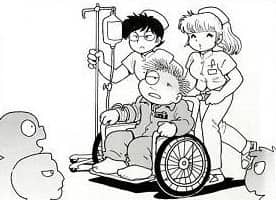
"The Ward for Alcoholics" is a manga series that delves into the lives of individuals grappling with alcohol addiction, set within the confines of a specialized hospital ward dedicated to treating this condition. The narrative centers on the experiences of patients and staff within this unique environment, exploring the challenges, struggles, and small victories that come with recovery.
The protagonist, a middle-aged man named Hiroshi, is admitted to the ward after his addiction spirals out of control, leading to severe health complications and strained relationships. Hiroshi’s journey is marked by denial, resistance to treatment, and gradual acceptance of his condition. His interactions with fellow patients, each with their own backstories and struggles, form the core of the narrative. These include a young woman named Aya, whose addiction stems from unresolved trauma, and an elderly man, Kenji, who has spent decades battling alcoholism in isolation.
The medical staff, particularly Dr. Saito and Nurse Akemi, play pivotal roles in guiding the patients through their recovery. Dr. Saito, a seasoned psychiatrist, employs a combination of tough love and empathy, while Nurse Akemi provides a compassionate, grounding presence. Their professional and personal dynamics add depth to the story, highlighting the complexities of treating addiction.
The plot unfolds through a series of episodic arcs, each focusing on different patients and their unique paths to recovery. Themes of guilt, shame, and societal stigma are explored, as well as the importance of community and support in overcoming addiction. The ward itself serves as a microcosm of broader societal attitudes toward alcoholism, with moments of tension and camaraderie among the patients reflecting their shared struggles.
As the series progresses, Hiroshi and his peers confront their pasts, confrontations that are often painful but necessary for healing. Relapses and setbacks are portrayed realistically, underscoring the non-linear nature of recovery. The narrative avoids simplistic resolutions, instead emphasizing the ongoing, lifelong process of managing addiction.
"The Ward for Alcoholics" balances its heavy subject matter with moments of humor and hope, creating a nuanced portrayal of addiction and recovery. The characters’ growth, both individually and collectively, drives the story forward, offering a compelling and empathetic look at a condition often misunderstood or overlooked.
The protagonist, a middle-aged man named Hiroshi, is admitted to the ward after his addiction spirals out of control, leading to severe health complications and strained relationships. Hiroshi’s journey is marked by denial, resistance to treatment, and gradual acceptance of his condition. His interactions with fellow patients, each with their own backstories and struggles, form the core of the narrative. These include a young woman named Aya, whose addiction stems from unresolved trauma, and an elderly man, Kenji, who has spent decades battling alcoholism in isolation.
The medical staff, particularly Dr. Saito and Nurse Akemi, play pivotal roles in guiding the patients through their recovery. Dr. Saito, a seasoned psychiatrist, employs a combination of tough love and empathy, while Nurse Akemi provides a compassionate, grounding presence. Their professional and personal dynamics add depth to the story, highlighting the complexities of treating addiction.
The plot unfolds through a series of episodic arcs, each focusing on different patients and their unique paths to recovery. Themes of guilt, shame, and societal stigma are explored, as well as the importance of community and support in overcoming addiction. The ward itself serves as a microcosm of broader societal attitudes toward alcoholism, with moments of tension and camaraderie among the patients reflecting their shared struggles.
As the series progresses, Hiroshi and his peers confront their pasts, confrontations that are often painful but necessary for healing. Relapses and setbacks are portrayed realistically, underscoring the non-linear nature of recovery. The narrative avoids simplistic resolutions, instead emphasizing the ongoing, lifelong process of managing addiction.
"The Ward for Alcoholics" balances its heavy subject matter with moments of humor and hope, creating a nuanced portrayal of addiction and recovery. The characters’ growth, both individually and collectively, drives the story forward, offering a compelling and empathetic look at a condition often misunderstood or overlooked.
Comment(s)
Staff
- Story & ArtHideo Azuma
Company
- Tokyopop · 1