
Manga
Description
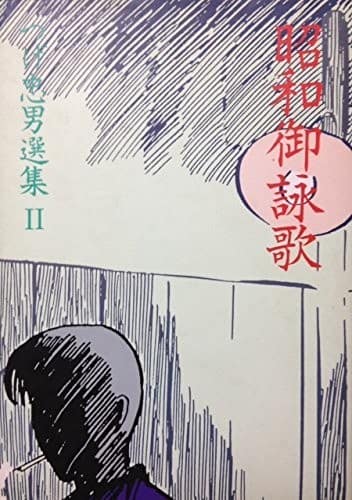
"Song of Showa" is a historical manga set in Japan during the Showa era, spanning the 1920s to the 1980s. The narrative intertwines personal and national histories, capturing the tumultuous changes in Japanese society through the lives of its characters. The story begins in the early Showa period, focusing on a young man named Hiroshi, who grows up in a rural village. His family struggles with poverty, and Hiroshi dreams of escaping his circumstances to find success in the rapidly modernizing cities.
As Hiroshi moves to Tokyo, the manga delves into the economic hardships and social upheavals of the time, including the Great Depression and the rise of militarism. Hiroshi becomes involved in various industries, from factory work to small-scale entrepreneurship, reflecting the broader economic shifts in Japan. His personal journey is marked by resilience and adaptability, as he navigates the challenges of a society in flux.
The narrative also explores the lives of those around Hiroshi, including his childhood friend, Aiko, who becomes a teacher and later a nurse during World War II. Aiko's experiences highlight the changing roles of women in Japanese society, as well as the impact of war on civilian life. The manga portrays the devastation of the war, including the bombings of Tokyo and the post-war occupation, through the eyes of its characters.
In the post-war years, the story shifts to Hiroshi's children, who grow up in a rapidly recovering Japan. The younger generation grapples with the legacy of the war and the opportunities of a booming economy. Themes of generational conflict, cultural identity, and the pursuit of modernity are central to this part of the narrative. The manga concludes in the 1980s, with Hiroshi reflecting on the profound changes he has witnessed over his lifetime.
"Song of Showa" is notable for its detailed depiction of historical events and its focus on the everyday lives of ordinary people. The characters are deeply rooted in their time and place, providing a vivid portrayal of Japan's transformation during the Showa era. The manga balances personal stories with broader historical context, offering a comprehensive view of a pivotal period in Japanese history.
As Hiroshi moves to Tokyo, the manga delves into the economic hardships and social upheavals of the time, including the Great Depression and the rise of militarism. Hiroshi becomes involved in various industries, from factory work to small-scale entrepreneurship, reflecting the broader economic shifts in Japan. His personal journey is marked by resilience and adaptability, as he navigates the challenges of a society in flux.
The narrative also explores the lives of those around Hiroshi, including his childhood friend, Aiko, who becomes a teacher and later a nurse during World War II. Aiko's experiences highlight the changing roles of women in Japanese society, as well as the impact of war on civilian life. The manga portrays the devastation of the war, including the bombings of Tokyo and the post-war occupation, through the eyes of its characters.
In the post-war years, the story shifts to Hiroshi's children, who grow up in a rapidly recovering Japan. The younger generation grapples with the legacy of the war and the opportunities of a booming economy. Themes of generational conflict, cultural identity, and the pursuit of modernity are central to this part of the narrative. The manga concludes in the 1980s, with Hiroshi reflecting on the profound changes he has witnessed over his lifetime.
"Song of Showa" is notable for its detailed depiction of historical events and its focus on the everyday lives of ordinary people. The characters are deeply rooted in their time and place, providing a vivid portrayal of Japan's transformation during the Showa era. The manga balances personal stories with broader historical context, offering a comprehensive view of a pivotal period in Japanese history.
Comment(s)
Staff
- Story & ArtTadao Tsuge
Company
- Egmont Manga · 1