Manga
Description
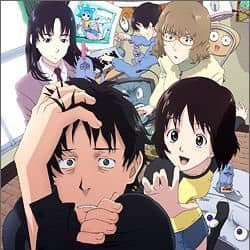
"Welcome to the NHK" is a manga series that explores themes of social isolation, mental health, and personal growth through the lens of its protagonist, Tatsuhiro Satou. Satou is a 22-year-old college dropout and self-proclaimed hikikomori, a term used in Japan to describe individuals who withdraw from society and isolate themselves in their homes. Convinced that his condition is the result of a conspiracy orchestrated by the NHK (Nippon Hikikomori Kyokai), Satou’s life takes a turn when he encounters Misaki Nakahara, a mysterious girl who claims she can cure his hikikomori tendencies through a unique contract.
Misaki proposes a series of therapeutic sessions aimed at reintegrating Satou into society. Despite his initial skepticism, Satou reluctantly agrees, and their interactions form the emotional core of the story. Alongside this, Satou reconnects with his former classmate, Kaoru Yamazaki, an aspiring game developer who shares his struggles with societal expectations and personal insecurities. Yamazaki’s involvement introduces Satou to the world of online gaming and otaku culture, further complicating his attempts to break free from his self-imposed isolation.
The narrative delves into Satou’s internal conflicts, including his struggles with depression, paranoia, and addiction to escapism. His interactions with Misaki, Yamazaki, and other characters, such as his neighbor Hitomi Kashiwa and online acquaintances, reveal the multifaceted nature of his condition. Misaki’s own troubled past and motivations are gradually unveiled, adding depth to her character and her relationship with Satou. The story also examines the broader societal pressures and stigmas surrounding mental health, particularly in the context of Japanese culture.
As the plot progresses, Satou’s journey becomes one of self-discovery and gradual reintegration. His attempts to confront his fears and responsibilities are met with both successes and setbacks, reflecting the complexities of overcoming deep-seated psychological challenges. The series balances moments of dark humor and poignant introspection, creating a narrative that is both engaging and thought-provoking. Through its exploration of themes such as loneliness, identity, and the human need for connection, "Welcome to the NHK" offers a nuanced portrayal of its characters and their struggles.
Misaki proposes a series of therapeutic sessions aimed at reintegrating Satou into society. Despite his initial skepticism, Satou reluctantly agrees, and their interactions form the emotional core of the story. Alongside this, Satou reconnects with his former classmate, Kaoru Yamazaki, an aspiring game developer who shares his struggles with societal expectations and personal insecurities. Yamazaki’s involvement introduces Satou to the world of online gaming and otaku culture, further complicating his attempts to break free from his self-imposed isolation.
The narrative delves into Satou’s internal conflicts, including his struggles with depression, paranoia, and addiction to escapism. His interactions with Misaki, Yamazaki, and other characters, such as his neighbor Hitomi Kashiwa and online acquaintances, reveal the multifaceted nature of his condition. Misaki’s own troubled past and motivations are gradually unveiled, adding depth to her character and her relationship with Satou. The story also examines the broader societal pressures and stigmas surrounding mental health, particularly in the context of Japanese culture.
As the plot progresses, Satou’s journey becomes one of self-discovery and gradual reintegration. His attempts to confront his fears and responsibilities are met with both successes and setbacks, reflecting the complexities of overcoming deep-seated psychological challenges. The series balances moments of dark humor and poignant introspection, creating a narrative that is both engaging and thought-provoking. Through its exploration of themes such as loneliness, identity, and the human need for connection, "Welcome to the NHK" offers a nuanced portrayal of its characters and their struggles.
Comment(s)
No entries available.