
Manga
Description
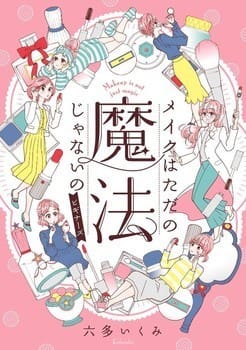
"Makeup is Not (Just) Magic: A Manga Guide to Cosmetics and Skin Care" combines educational content with a light narrative to explore the world of cosmetics and skincare. The story centers on Kaori, a young woman who initially views makeup as a superficial tool but gradually learns its deeper significance through her interactions with peers and professionals in the beauty industry. Kaori’s journey begins when she meets Rika, a makeup artist who introduces her to the transformative power of cosmetics, not just as a means of enhancing appearance but also as a form of self-expression and confidence-building.
As Kaori delves deeper into the world of skincare and makeup, she encounters various characters, each representing different perspectives on beauty. These include a dermatologist who emphasizes the importance of skin health, a high school student struggling with acne, and a working professional who uses makeup to navigate societal expectations. Through these interactions, Kaori gains a nuanced understanding of how makeup and skincare intersect with personal identity, self-care, and societal norms.
The narrative is structured around practical lessons, with each chapter focusing on specific topics such as understanding skin types, selecting the right products, and mastering makeup techniques. These lessons are seamlessly integrated into the storyline, making the educational content accessible and engaging. The characters’ experiences serve as case studies, illustrating common challenges and misconceptions about beauty routines while offering practical solutions.
Kaori’s growth is central to the story, as she evolves from a skeptic to an advocate for the thoughtful use of cosmetics. Her journey highlights the importance of self-acceptance and the role of makeup as a tool for empowerment rather than conformity. The manga balances its educational purpose with a relatable narrative, making it both informative and enjoyable for readers interested in beauty and self-care.
As Kaori delves deeper into the world of skincare and makeup, she encounters various characters, each representing different perspectives on beauty. These include a dermatologist who emphasizes the importance of skin health, a high school student struggling with acne, and a working professional who uses makeup to navigate societal expectations. Through these interactions, Kaori gains a nuanced understanding of how makeup and skincare intersect with personal identity, self-care, and societal norms.
The narrative is structured around practical lessons, with each chapter focusing on specific topics such as understanding skin types, selecting the right products, and mastering makeup techniques. These lessons are seamlessly integrated into the storyline, making the educational content accessible and engaging. The characters’ experiences serve as case studies, illustrating common challenges and misconceptions about beauty routines while offering practical solutions.
Kaori’s growth is central to the story, as she evolves from a skeptic to an advocate for the thoughtful use of cosmetics. Her journey highlights the importance of self-acceptance and the role of makeup as a tool for empowerment rather than conformity. The manga balances its educational purpose with a relatable narrative, making it both informative and enjoyable for readers interested in beauty and self-care.
Comment(s)
Staff
- Story & ArtIkumi Rotta