
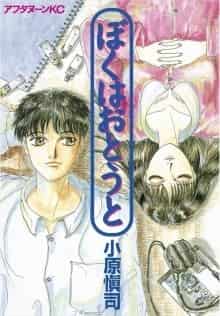
Manga
Description
"Boku wa Otōto" is a manga series that explores themes of family, identity, and societal expectations through the lens of a complex sibling relationship. The narrative centers on two brothers, Haru and Shun, who navigate their lives under the weight of familial obligations and personal struggles. Haru, the elder brother, is portrayed as responsible and hardworking, often sacrificing his own desires to support his family. Shun, the younger brother, is more carefree and rebellious, frequently clashing with Haru over their differing approaches to life.
The story begins with the brothers living in a small rural town, where their family runs a modest business. Their father is absent, leaving the burden of providing for the household on Haru’s shoulders. Shun, resentful of the pressure to conform to societal norms, often acts out, creating tension between the siblings. As the narrative progresses, the brothers’ relationship is tested by external challenges, including financial struggles, community expectations, and the arrival of new characters who disrupt their dynamic.
A key subplot involves a childhood friend, Aoi, who re-enters their lives and becomes a catalyst for change. Aoi’s presence forces both Haru and Shun to confront their unresolved feelings and reevaluate their priorities. The story delves into themes of sacrifice, loyalty, and the complexities of familial love, as the brothers grapple with their individual aspirations and the responsibilities tied to their shared past.
The manga balances moments of emotional intensity with quieter, introspective scenes, offering a nuanced portrayal of the brothers’ evolving relationship. Secondary characters, such as their mother and local townspeople, add depth to the narrative, highlighting the broader social context in which the brothers’ struggles unfold. The series ultimately examines how Haru and Shun navigate their differences and find a way to reconcile their conflicting paths, while staying true to their bond as siblings.
The story begins with the brothers living in a small rural town, where their family runs a modest business. Their father is absent, leaving the burden of providing for the household on Haru’s shoulders. Shun, resentful of the pressure to conform to societal norms, often acts out, creating tension between the siblings. As the narrative progresses, the brothers’ relationship is tested by external challenges, including financial struggles, community expectations, and the arrival of new characters who disrupt their dynamic.
A key subplot involves a childhood friend, Aoi, who re-enters their lives and becomes a catalyst for change. Aoi’s presence forces both Haru and Shun to confront their unresolved feelings and reevaluate their priorities. The story delves into themes of sacrifice, loyalty, and the complexities of familial love, as the brothers grapple with their individual aspirations and the responsibilities tied to their shared past.
The manga balances moments of emotional intensity with quieter, introspective scenes, offering a nuanced portrayal of the brothers’ evolving relationship. Secondary characters, such as their mother and local townspeople, add depth to the narrative, highlighting the broader social context in which the brothers’ struggles unfold. The series ultimately examines how Haru and Shun navigate their differences and find a way to reconcile their conflicting paths, while staying true to their bond as siblings.
Comment(s)
Staff
- Story & Art