
Manga
Description
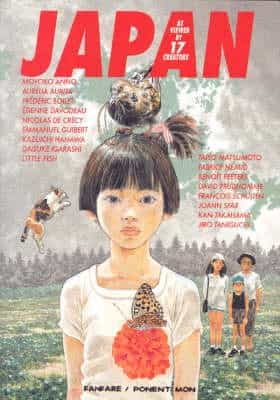
"Japan as Viewed by 17 Creators" is an anthology manga that presents a diverse collection of short stories, each crafted by a different creator, offering unique perspectives on Japanese culture, society, and everyday life. The anthology does not follow a single narrative thread but instead explores a variety of themes, settings, and characters, reflecting the multifaceted nature of Japan through the lenses of 17 distinct artistic voices.
The stories range from slice-of-life vignettes to more abstract and surreal tales, capturing the essence of urban and rural Japan. Some narratives delve into the lives of ordinary individuals, such as a salaryman navigating the pressures of corporate culture, a student grappling with societal expectations, or an elderly person reflecting on the passage of time. Others take a more fantastical approach, blending traditional folklore with modern interpretations, or imagining futuristic scenarios that challenge conventional notions of Japanese identity.
Characters in the anthology are as varied as the stories themselves, representing different ages, backgrounds, and walks of life. They include office workers, artists, children, and even mythical beings, each serving as a vehicle to explore specific aspects of Japanese culture. The settings are equally diverse, spanning bustling cityscapes, tranquil countryside, and otherworldly realms, all rendered with distinct artistic styles that reflect the individuality of each creator.
Themes explored in the anthology include tradition versus modernity, the impact of globalization, the complexities of interpersonal relationships, and the tension between individual desires and societal norms. Some stories emphasize humor and lightheartedness, while others adopt a more introspective or critical tone, offering commentary on contemporary issues such as environmental concerns, technological advancement, and cultural preservation.
"Japan as Viewed by 17 Creators" stands out for its collaborative yet fragmented structure, allowing each creator to contribute a self-contained narrative that collectively paints a rich and multifaceted portrait of Japan. The anthology does not aim to present a unified or definitive view of the country but instead celebrates its diversity and complexity through a mosaic of artistic interpretations.
The stories range from slice-of-life vignettes to more abstract and surreal tales, capturing the essence of urban and rural Japan. Some narratives delve into the lives of ordinary individuals, such as a salaryman navigating the pressures of corporate culture, a student grappling with societal expectations, or an elderly person reflecting on the passage of time. Others take a more fantastical approach, blending traditional folklore with modern interpretations, or imagining futuristic scenarios that challenge conventional notions of Japanese identity.
Characters in the anthology are as varied as the stories themselves, representing different ages, backgrounds, and walks of life. They include office workers, artists, children, and even mythical beings, each serving as a vehicle to explore specific aspects of Japanese culture. The settings are equally diverse, spanning bustling cityscapes, tranquil countryside, and otherworldly realms, all rendered with distinct artistic styles that reflect the individuality of each creator.
Themes explored in the anthology include tradition versus modernity, the impact of globalization, the complexities of interpersonal relationships, and the tension between individual desires and societal norms. Some stories emphasize humor and lightheartedness, while others adopt a more introspective or critical tone, offering commentary on contemporary issues such as environmental concerns, technological advancement, and cultural preservation.
"Japan as Viewed by 17 Creators" stands out for its collaborative yet fragmented structure, allowing each creator to contribute a self-contained narrative that collectively paints a rich and multifaceted portrait of Japan. The anthology does not aim to present a unified or definitive view of the country but instead celebrates its diversity and complexity through a mosaic of artistic interpretations.
Comment(s)