Manga
Description
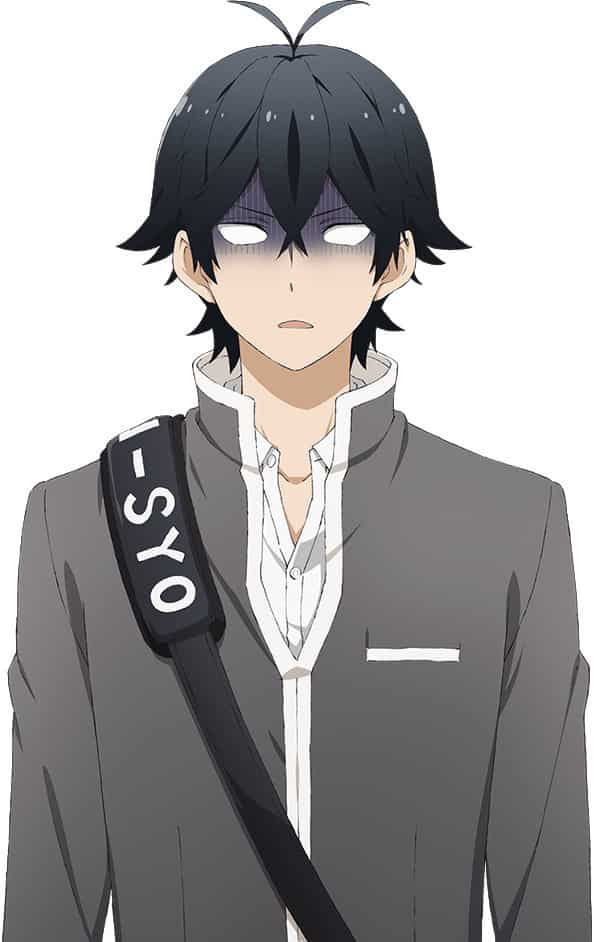
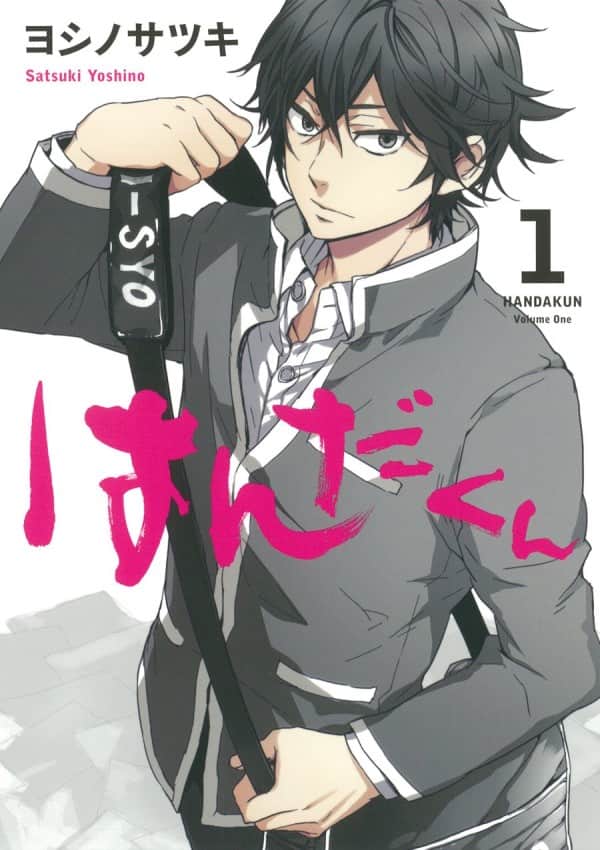
"Handa-kun" is a comedic manga series that serves as a prequel to "Barakamon," focusing on the high school life of Seishu Handa, a talented but socially awkward calligrapher. The story is set in a high school where Handa is a second-year student, revered by his peers for his artistic skills and perceived aloofness. Despite his popularity, Handa is plagued by a severe misunderstanding of his surroundings, believing that his classmates secretly despise him. This misinterpretation leads to a series of humorous and exaggerated situations as he navigates school life.
The narrative revolves around Handa's interactions with his classmates, who idolize him and go to great lengths to gain his approval or attention. However, Handa misinterprets their admiration as hostility or mockery, leading to comedic misunderstandings. Key characters include Rei Ichinose, a delinquent who becomes Handa's self-proclaimed rival; Junichi Aizawa, a classmate who admires Handa but struggles to express it; and Yukio Kondou, a teacher who often finds himself caught up in the chaos surrounding Handa.
The series employs a slice-of-life format, with each chapter presenting standalone scenarios that highlight Handa's social ineptitude and the absurdity of his misinterpretations. The humor often stems from the contrast between Handa's internal monologues, which are filled with paranoia and self-doubt, and the reality of his classmates' genuine admiration. Despite his social struggles, Handa's talent and unintentional charisma consistently draw people to him, creating a dynamic where his misunderstandings fuel both the comedy and the plot.
Throughout the series, Handa's relationships with his peers evolve, though his core misunderstanding remains a constant source of humor. The manga balances its comedic tone with moments of sincerity, particularly in exploring the bonds formed between Handa and his classmates. The story ultimately provides a lighthearted yet insightful look at adolescence, social dynamics, and the gap between perception and reality.
The narrative revolves around Handa's interactions with his classmates, who idolize him and go to great lengths to gain his approval or attention. However, Handa misinterprets their admiration as hostility or mockery, leading to comedic misunderstandings. Key characters include Rei Ichinose, a delinquent who becomes Handa's self-proclaimed rival; Junichi Aizawa, a classmate who admires Handa but struggles to express it; and Yukio Kondou, a teacher who often finds himself caught up in the chaos surrounding Handa.
The series employs a slice-of-life format, with each chapter presenting standalone scenarios that highlight Handa's social ineptitude and the absurdity of his misinterpretations. The humor often stems from the contrast between Handa's internal monologues, which are filled with paranoia and self-doubt, and the reality of his classmates' genuine admiration. Despite his social struggles, Handa's talent and unintentional charisma consistently draw people to him, creating a dynamic where his misunderstandings fuel both the comedy and the plot.
Throughout the series, Handa's relationships with his peers evolve, though his core misunderstanding remains a constant source of humor. The manga balances its comedic tone with moments of sincerity, particularly in exploring the bonds formed between Handa and his classmates. The story ultimately provides a lighthearted yet insightful look at adolescence, social dynamics, and the gap between perception and reality.
Comment(s)
Staff
- Story & Art
Relations
Anime overview