Manga
Description
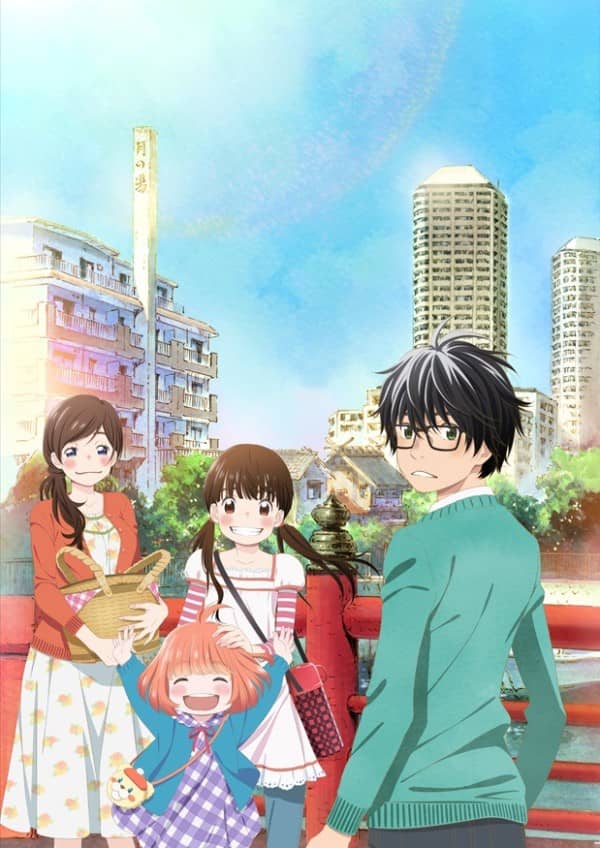
"March Comes in Like a Lion" centers on Rei Kiriyama, a 17-year-old professional shogi player who lives alone in Tokyo. Orphaned at a young age, Rei struggles with feelings of isolation and depression, exacerbated by the pressure of his shogi career and the strained relationship with his adoptive family. Despite his talent, Rei finds little joy in his achievements, often feeling disconnected from those around him.
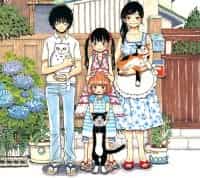
The narrative shifts between Rei’s professional life in the competitive world of shogi and his personal life, which becomes intertwined with the Kawamoto sisters—Akari, Hinata, and Momo. The sisters, who run a traditional wagashi shop, provide Rei with a sense of warmth and belonging that he has long lacked. Akari, the eldest, acts as a maternal figure, while Hinata and Momo offer companionship and emotional support. Their kindness gradually helps Rei confront his past and begin to heal.
Rei’s journey is marked by his interactions with other shogi players, including his mentor, Harunobu Nikaidou, a fellow professional who becomes both a rival and a friend. Nikaidou’s energetic and eccentric personality contrasts with Rei’s reserved demeanor, creating a dynamic relationship that explores themes of rivalry, camaraderie, and personal growth. The series also delves into the lives of other shogi players, such as the enigmatic Souya Touji, whose prodigious talent and aloof nature challenge Rei’s perceptions of success and purpose.
The story balances Rei’s internal struggles with the external challenges of the shogi world, portraying the psychological toll of competition and the importance of human connection. Themes of family, resilience, and self-discovery are woven throughout the narrative, as Rei learns to navigate his emotions and find meaning beyond shogi. The Kawamoto sisters’ own struggles, including their grief over the loss of their parents, further highlight the series’ exploration of healing and mutual support.
"March Comes in Like a Lion" is a character-driven narrative that combines the intricacies of shogi with a poignant examination of human relationships. Through Rei’s journey, the series portrays the complexities of life, the weight of expectations, and the gradual process of finding one’s place in the world.
The narrative shifts between Rei’s professional life in the competitive world of shogi and his personal life, which becomes intertwined with the Kawamoto sisters—Akari, Hinata, and Momo. The sisters, who run a traditional wagashi shop, provide Rei with a sense of warmth and belonging that he has long lacked. Akari, the eldest, acts as a maternal figure, while Hinata and Momo offer companionship and emotional support. Their kindness gradually helps Rei confront his past and begin to heal.
Rei’s journey is marked by his interactions with other shogi players, including his mentor, Harunobu Nikaidou, a fellow professional who becomes both a rival and a friend. Nikaidou’s energetic and eccentric personality contrasts with Rei’s reserved demeanor, creating a dynamic relationship that explores themes of rivalry, camaraderie, and personal growth. The series also delves into the lives of other shogi players, such as the enigmatic Souya Touji, whose prodigious talent and aloof nature challenge Rei’s perceptions of success and purpose.
The story balances Rei’s internal struggles with the external challenges of the shogi world, portraying the psychological toll of competition and the importance of human connection. Themes of family, resilience, and self-discovery are woven throughout the narrative, as Rei learns to navigate his emotions and find meaning beyond shogi. The Kawamoto sisters’ own struggles, including their grief over the loss of their parents, further highlight the series’ exploration of healing and mutual support.
"March Comes in Like a Lion" is a character-driven narrative that combines the intricacies of shogi with a poignant examination of human relationships. Through Rei’s journey, the series portrays the complexities of life, the weight of expectations, and the gradual process of finding one’s place in the world.
Comment(s)
Staff
- Story & Art
Relations