
Manga
Description
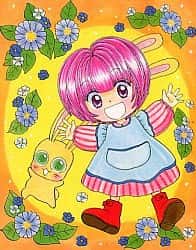
"Pyon" is a manga series that centers around the life of a young boy named Pyon, who navigates the challenges of growing up in a rural Japanese village. The narrative is deeply rooted in the everyday experiences of its protagonist, blending moments of humor, introspection, and the occasional touch of melancholy. Pyon is depicted as a curious and energetic child, often finding himself in small but meaningful adventures that reflect the simplicity and complexity of rural life.
The story unfolds through a series of episodic vignettes, each capturing a slice of Pyon’s life. These vignettes often highlight his interactions with family, friends, and the natural environment around him. Pyon’s relationship with his grandmother is particularly significant, as she serves as a grounding presence, offering wisdom and guidance while also indulging his youthful antics. The village itself becomes a character in its own right, with its traditions, seasonal changes, and close-knit community shaping Pyon’s worldview.
Pyon’s adventures are often tinged with a sense of wonder and discovery, whether he is exploring the nearby woods, participating in local festivals, or simply observing the routines of village life. The manga captures the innocence of childhood while also subtly addressing themes of change, loss, and the passage of time. Through Pyon’s eyes, the reader experiences the beauty of small, fleeting moments, such as the first snowfall of winter or the sound of cicadas in summer.
The supporting cast includes a variety of characters who add depth to the narrative. Pyon’s friends, each with their own distinct personalities, provide both camaraderie and conflict, reflecting the dynamics of childhood friendships. Adults in the village, from the kind-hearted shopkeeper to the stern but caring schoolteacher, contribute to the rich tapestry of Pyon’s world. These characters are not merely background figures but play active roles in shaping Pyon’s experiences and growth.
The art style complements the story’s tone, with detailed depictions of the rural landscape and expressive character designs that convey a wide range of emotions. The pacing is deliberate, allowing the reader to immerse themselves in the rhythm of village life and the gradual unfolding of Pyon’s journey. While the narrative is largely grounded in realism, it occasionally incorporates elements of folklore and imagination, adding a layer of mystique to the otherwise ordinary setting.
Overall, "Pyon" is a heartfelt exploration of childhood, community, and the natural world, told through the lens of a young boy’s experiences. Its episodic structure and focus on everyday moments create a narrative that is both intimate and universal, resonating with readers who appreciate stories that celebrate the quiet beauty of life.
The story unfolds through a series of episodic vignettes, each capturing a slice of Pyon’s life. These vignettes often highlight his interactions with family, friends, and the natural environment around him. Pyon’s relationship with his grandmother is particularly significant, as she serves as a grounding presence, offering wisdom and guidance while also indulging his youthful antics. The village itself becomes a character in its own right, with its traditions, seasonal changes, and close-knit community shaping Pyon’s worldview.
Pyon’s adventures are often tinged with a sense of wonder and discovery, whether he is exploring the nearby woods, participating in local festivals, or simply observing the routines of village life. The manga captures the innocence of childhood while also subtly addressing themes of change, loss, and the passage of time. Through Pyon’s eyes, the reader experiences the beauty of small, fleeting moments, such as the first snowfall of winter or the sound of cicadas in summer.
The supporting cast includes a variety of characters who add depth to the narrative. Pyon’s friends, each with their own distinct personalities, provide both camaraderie and conflict, reflecting the dynamics of childhood friendships. Adults in the village, from the kind-hearted shopkeeper to the stern but caring schoolteacher, contribute to the rich tapestry of Pyon’s world. These characters are not merely background figures but play active roles in shaping Pyon’s experiences and growth.
The art style complements the story’s tone, with detailed depictions of the rural landscape and expressive character designs that convey a wide range of emotions. The pacing is deliberate, allowing the reader to immerse themselves in the rhythm of village life and the gradual unfolding of Pyon’s journey. While the narrative is largely grounded in realism, it occasionally incorporates elements of folklore and imagination, adding a layer of mystique to the otherwise ordinary setting.
Overall, "Pyon" is a heartfelt exploration of childhood, community, and the natural world, told through the lens of a young boy’s experiences. Its episodic structure and focus on everyday moments create a narrative that is both intimate and universal, resonating with readers who appreciate stories that celebrate the quiet beauty of life.
Comment(s)
Staff
- Story & ArtMin Ayahana