
Manga
Description
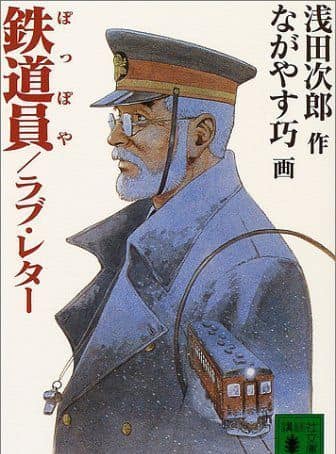
"Poppoya" is a manga series that explores themes of duty, sacrifice, and human connection through the lens of a rural train station in Hokkaido, Japan. The story centers on a stationmaster named Shuhei Okita, who dedicates his life to maintaining the operations of a small, remote station. Despite its declining importance in the modern era, Okita remains steadfast in his commitment to serving the few passengers who rely on the station, embodying a deep sense of responsibility and pride in his work.
The narrative unfolds over several years, capturing the changing seasons and the passage of time. Okita’s life is marked by personal loss and solitude, as he grapples with the death of his wife and the emotional distance from his daughter, who resents his unwavering dedication to the station. The station itself becomes a character in the story, symbolizing both the fading traditions of rural Japan and the enduring spirit of those who uphold them.
Throughout the series, Okita interacts with a variety of characters, including passengers, colleagues, and local residents. These interactions highlight the impact of the station on the community and the quiet heroism of Okita’s daily efforts. The manga delves into the challenges faced by rural areas in Japan, such as depopulation and economic decline, while also celebrating the resilience and humanity of those who remain.
The tone of "Poppoya" is contemplative and melancholic, with moments of warmth and humor. The artwork complements the narrative, capturing the stark beauty of Hokkaido’s landscapes and the intimate details of life at the station. The series does not rely on dramatic plot twists but instead focuses on the quiet, everyday struggles and triumphs of its characters, creating a poignant and reflective reading experience.
The narrative unfolds over several years, capturing the changing seasons and the passage of time. Okita’s life is marked by personal loss and solitude, as he grapples with the death of his wife and the emotional distance from his daughter, who resents his unwavering dedication to the station. The station itself becomes a character in the story, symbolizing both the fading traditions of rural Japan and the enduring spirit of those who uphold them.
Throughout the series, Okita interacts with a variety of characters, including passengers, colleagues, and local residents. These interactions highlight the impact of the station on the community and the quiet heroism of Okita’s daily efforts. The manga delves into the challenges faced by rural areas in Japan, such as depopulation and economic decline, while also celebrating the resilience and humanity of those who remain.
The tone of "Poppoya" is contemplative and melancholic, with moments of warmth and humor. The artwork complements the narrative, capturing the stark beauty of Hokkaido’s landscapes and the intimate details of life at the station. The series does not rely on dramatic plot twists but instead focuses on the quiet, everyday struggles and triumphs of its characters, creating a poignant and reflective reading experience.
Comment(s)