
Manga
Description
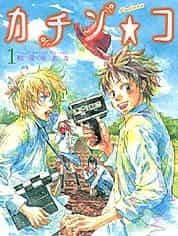
"Kachinko" is a manga series that explores themes of ambition, resilience, and the complexities of human relationships within a competitive and often unforgiving environment. The narrative centers on a young protagonist, Hiroshi Tanaka, who grows up in a modest household with dreams of achieving financial stability and success. Hiroshi's journey begins when he stumbles upon the world of pachinko, a popular Japanese arcade game that blends elements of chance and skill. Intrigued by its potential to change his fortunes, Hiroshi dedicates himself to mastering the game, driven by a desire to escape poverty and provide for his family.
As Hiroshi delves deeper into the pachinko industry, he encounters a diverse cast of characters, each with their own motivations and struggles. Among them is Aiko Nakamura, a seasoned pachinko player who becomes Hiroshi's mentor and confidante. Aiko's pragmatic approach to the game and her insights into its intricacies help Hiroshi navigate the challenges he faces. However, their relationship is complicated by Aiko's own past, which is marked by loss and betrayal, adding layers of emotional depth to their interactions.
The story also introduces rival players and industry figures who serve as both obstacles and catalysts for Hiroshi's growth. One such character is Takeshi Morimoto, a ruthless pachinko parlor owner who views Hiroshi as a threat to his dominance. Takeshi's manipulative tactics and cutthroat business practices create tension and conflict, forcing Hiroshi to confront the darker side of the industry. Through these encounters, the manga examines the ethical dilemmas and moral compromises that arise in the pursuit of success.
As Hiroshi's skills improve, he begins to gain recognition within the pachinko community, but his rise is not without setbacks. The narrative highlights the highs and lows of his journey, from exhilarating victories to crushing defeats, emphasizing the unpredictable nature of the game and the resilience required to persevere. Alongside the competitive aspects, the manga also explores Hiroshi's personal life, including his relationships with his family and friends, which are tested by his single-minded focus on pachinko.
Thematically, "Kachinko" delves into the intersection of luck, skill, and determination, questioning whether success is a product of fate or effort. It also addresses broader societal issues, such as economic disparity and the pressures of societal expectations, through the lens of its characters' experiences. The manga's pacing balances intense, high-stakes pachinko matches with quieter, introspective moments, creating a dynamic and engaging narrative.
Overall, "Kachinko" presents a compelling exploration of ambition and perseverance, set against the backdrop of a unique and culturally significant industry. Its well-developed characters and intricate plotlines offer a nuanced portrayal of the challenges and rewards of pursuing one's dreams, making it a standout series in its genre.
As Hiroshi delves deeper into the pachinko industry, he encounters a diverse cast of characters, each with their own motivations and struggles. Among them is Aiko Nakamura, a seasoned pachinko player who becomes Hiroshi's mentor and confidante. Aiko's pragmatic approach to the game and her insights into its intricacies help Hiroshi navigate the challenges he faces. However, their relationship is complicated by Aiko's own past, which is marked by loss and betrayal, adding layers of emotional depth to their interactions.
The story also introduces rival players and industry figures who serve as both obstacles and catalysts for Hiroshi's growth. One such character is Takeshi Morimoto, a ruthless pachinko parlor owner who views Hiroshi as a threat to his dominance. Takeshi's manipulative tactics and cutthroat business practices create tension and conflict, forcing Hiroshi to confront the darker side of the industry. Through these encounters, the manga examines the ethical dilemmas and moral compromises that arise in the pursuit of success.
As Hiroshi's skills improve, he begins to gain recognition within the pachinko community, but his rise is not without setbacks. The narrative highlights the highs and lows of his journey, from exhilarating victories to crushing defeats, emphasizing the unpredictable nature of the game and the resilience required to persevere. Alongside the competitive aspects, the manga also explores Hiroshi's personal life, including his relationships with his family and friends, which are tested by his single-minded focus on pachinko.
Thematically, "Kachinko" delves into the intersection of luck, skill, and determination, questioning whether success is a product of fate or effort. It also addresses broader societal issues, such as economic disparity and the pressures of societal expectations, through the lens of its characters' experiences. The manga's pacing balances intense, high-stakes pachinko matches with quieter, introspective moments, creating a dynamic and engaging narrative.
Overall, "Kachinko" presents a compelling exploration of ambition and perseverance, set against the backdrop of a unique and culturally significant industry. Its well-developed characters and intricate plotlines offer a nuanced portrayal of the challenges and rewards of pursuing one's dreams, making it a standout series in its genre.
Comment(s)
Staff
- Story & ArtYuana Kazumi