Manga
Description
"Steel Angel Kurumi" is set in an alternate version of Taisho-era Japan, blending historical elements with science fiction and fantasy. The story begins when a young boy named Nakahito Kagura visits his uncle, a scientist, in a remote village. Nakahito accidentally awakens a powerful humanoid weapon known as a Steel Angel, named Kurumi. Designed as a combat machine, Kurumi is programmed to obey her master, and upon awakening, she immediately pledges her loyalty to Nakahito. However, Kurumi’s personality is far from mechanical; she is cheerful, affectionate, and deeply devoted to Nakahito, often displaying human-like emotions and quirks.
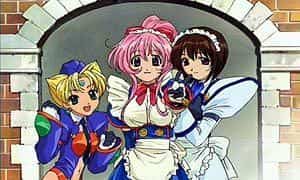
Kurumi’s activation draws the attention of the Imperial Army, which seeks to control her for military purposes. As Nakahito and Kurumi flee, they encounter other Steel Angels, including Saki and Karinka, each with unique abilities and personalities. Saki, a more mature and composed Steel Angel, becomes a key ally, while Karinka, a mischievous and childlike counterpart, adds comedic and chaotic elements to the group. Together, they navigate a series of conflicts involving the Imperial Army, rogue scientists, and other forces vying for control of the Steel Angels.
The narrative explores themes of loyalty, humanity, and the ethical implications of creating sentient machines. Kurumi’s growing attachment to Nakahito raises questions about the nature of her emotions and whether they are genuine or merely programmed responses. The series balances action-packed sequences with moments of humor and heartfelt interactions, creating a dynamic tone that shifts between lighthearted and serious.
As the story progresses, the origins of the Steel Angels are revealed, tying their creation to a larger conspiracy involving advanced technology and ancient secrets. The characters face moral dilemmas and personal challenges, particularly as Kurumi’s feelings for Nakahito deepen, blurring the lines between machine and human. The series concludes with a resolution that addresses the fate of the Steel Angels and their relationships with the humans they have come to care for, leaving a lasting impact on the characters and their world.
Kurumi’s activation draws the attention of the Imperial Army, which seeks to control her for military purposes. As Nakahito and Kurumi flee, they encounter other Steel Angels, including Saki and Karinka, each with unique abilities and personalities. Saki, a more mature and composed Steel Angel, becomes a key ally, while Karinka, a mischievous and childlike counterpart, adds comedic and chaotic elements to the group. Together, they navigate a series of conflicts involving the Imperial Army, rogue scientists, and other forces vying for control of the Steel Angels.
The narrative explores themes of loyalty, humanity, and the ethical implications of creating sentient machines. Kurumi’s growing attachment to Nakahito raises questions about the nature of her emotions and whether they are genuine or merely programmed responses. The series balances action-packed sequences with moments of humor and heartfelt interactions, creating a dynamic tone that shifts between lighthearted and serious.
As the story progresses, the origins of the Steel Angels are revealed, tying their creation to a larger conspiracy involving advanced technology and ancient secrets. The characters face moral dilemmas and personal challenges, particularly as Kurumi’s feelings for Nakahito deepen, blurring the lines between machine and human. The series concludes with a resolution that addresses the fate of the Steel Angels and their relationships with the humans they have come to care for, leaving a lasting impact on the characters and their world.
Comment(s)