
Manga
Description
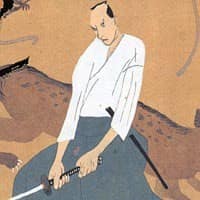
"Takemitsuzamurai" is a historical manga set in the Edo period of Japan, focusing on the life of Yamada Asaemon, a skilled swordsman and executioner serving the Tokugawa shogunate. The narrative delves into the complexities of his role, which involves not only executing criminals but also testing the quality of swords by cutting through condemned bodies. This duty places Yamada in a morally ambiguous position, as he must balance his loyalty to the shogunate with his own sense of justice and humanity.
The story begins with Yamada being tasked with executing a notorious criminal, but as he carries out his duty, he begins to question the nature of his work and the societal structures that demand such acts. His internal conflict is further complicated by encounters with various individuals, including fellow swordsmen, criminals, and political figures, each of whom challenges his beliefs and forces him to confront the ethical implications of his role. The manga explores themes of duty, honor, and the human cost of maintaining order in a rigidly hierarchical society.
Throughout the series, Yamada's character is developed through his interactions with others and his reflections on his own actions. His relationships with other characters, such as his mentor, fellow executioners, and the criminals he is tasked with executing, provide a deeper understanding of his motivations and struggles. The narrative also examines the broader historical context of the Edo period, including the political intrigue and social tensions of the time, which add layers of complexity to the story.
The artwork and pacing of "Takemitsuzamurai" effectively convey the tension and gravity of Yamada's experiences, with detailed depictions of sword fights and the somber atmosphere of execution scenes. The series does not shy away from the brutality of its subject matter, but it also offers moments of introspection and philosophical inquiry, making it a thought-provoking exploration of a dark chapter in Japanese history. The combination of historical accuracy, moral dilemmas, and character-driven storytelling makes "Takemitsuzamurai" a compelling read for those interested in samurai tales and historical fiction.
The story begins with Yamada being tasked with executing a notorious criminal, but as he carries out his duty, he begins to question the nature of his work and the societal structures that demand such acts. His internal conflict is further complicated by encounters with various individuals, including fellow swordsmen, criminals, and political figures, each of whom challenges his beliefs and forces him to confront the ethical implications of his role. The manga explores themes of duty, honor, and the human cost of maintaining order in a rigidly hierarchical society.
Throughout the series, Yamada's character is developed through his interactions with others and his reflections on his own actions. His relationships with other characters, such as his mentor, fellow executioners, and the criminals he is tasked with executing, provide a deeper understanding of his motivations and struggles. The narrative also examines the broader historical context of the Edo period, including the political intrigue and social tensions of the time, which add layers of complexity to the story.
The artwork and pacing of "Takemitsuzamurai" effectively convey the tension and gravity of Yamada's experiences, with detailed depictions of sword fights and the somber atmosphere of execution scenes. The series does not shy away from the brutality of its subject matter, but it also offers moments of introspection and philosophical inquiry, making it a thought-provoking exploration of a dark chapter in Japanese history. The combination of historical accuracy, moral dilemmas, and character-driven storytelling makes "Takemitsuzamurai" a compelling read for those interested in samurai tales and historical fiction.
Comment(s)
Staff
- StoryIssei Eifuku