
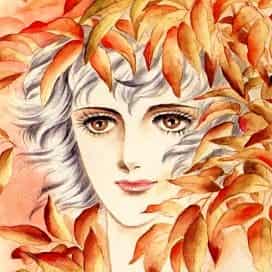
Manga
Description
"Epitaram: A Wedding Song" is a manga series that blends elements of romance, drama, and cultural exploration. The narrative centers around a young woman named Aria, who is thrust into an arranged marriage with a man named Kael, a member of a distant and enigmatic clan. The story unfolds in a richly detailed world where traditions and societal expectations play a significant role in shaping the lives of its characters.
Aria, initially resistant to the idea of an arranged marriage, gradually begins to understand the complexities of her new life as she navigates the unfamiliar customs and rituals of Kael's clan. The clan, known for its deep-rooted traditions and mystical practices, presents a stark contrast to Aria's more modern upbringing. As she spends more time with Kael and his people, she discovers hidden layers to their culture, including ancient songs and rituals that hold profound significance.
Kael, on the other hand, is portrayed as a stoic and reserved individual, deeply committed to his clan's traditions. His initial interactions with Aria are marked by formality and distance, but as the story progresses, a mutual respect and understanding begin to develop between them. Their relationship evolves through a series of shared experiences, challenges, and moments of vulnerability, highlighting the gradual growth of their bond.
The plot is driven by the interplay of personal and cultural conflicts. Aria's struggle to reconcile her own identity with the expectations placed upon her by her new family forms a central theme. Simultaneously, Kael grapples with his responsibilities as a leader and his growing feelings for Aria. The narrative also delves into the broader societal implications of their union, exploring themes of unity, tradition, and the clash between old and new ways of life.
Supporting characters, including members of Kael's clan and Aria's family, add depth to the story. These characters provide additional perspectives on the central conflict, enriching the narrative with their own struggles and aspirations. The manga also incorporates elements of folklore and mythology, weaving a tapestry of cultural heritage that enhances the world-building.
As the story progresses, Aria and Kael face numerous challenges that test their relationship and their commitment to each other. These challenges range from external threats to internal doubts, each serving to deepen their connection and highlight their growth as individuals. The resolution of these conflicts is marked by a blend of personal triumphs and cultural reconciliation, culminating in a poignant exploration of love, duty, and identity.
"Epitaram: A Wedding Song" is a compelling narrative that combines romance with cultural exploration, offering readers a nuanced portrayal of relationships and societal expectations. The manga's intricate plot and well-developed characters make it a standout series in its genre.
Aria, initially resistant to the idea of an arranged marriage, gradually begins to understand the complexities of her new life as she navigates the unfamiliar customs and rituals of Kael's clan. The clan, known for its deep-rooted traditions and mystical practices, presents a stark contrast to Aria's more modern upbringing. As she spends more time with Kael and his people, she discovers hidden layers to their culture, including ancient songs and rituals that hold profound significance.
Kael, on the other hand, is portrayed as a stoic and reserved individual, deeply committed to his clan's traditions. His initial interactions with Aria are marked by formality and distance, but as the story progresses, a mutual respect and understanding begin to develop between them. Their relationship evolves through a series of shared experiences, challenges, and moments of vulnerability, highlighting the gradual growth of their bond.
The plot is driven by the interplay of personal and cultural conflicts. Aria's struggle to reconcile her own identity with the expectations placed upon her by her new family forms a central theme. Simultaneously, Kael grapples with his responsibilities as a leader and his growing feelings for Aria. The narrative also delves into the broader societal implications of their union, exploring themes of unity, tradition, and the clash between old and new ways of life.
Supporting characters, including members of Kael's clan and Aria's family, add depth to the story. These characters provide additional perspectives on the central conflict, enriching the narrative with their own struggles and aspirations. The manga also incorporates elements of folklore and mythology, weaving a tapestry of cultural heritage that enhances the world-building.
As the story progresses, Aria and Kael face numerous challenges that test their relationship and their commitment to each other. These challenges range from external threats to internal doubts, each serving to deepen their connection and highlight their growth as individuals. The resolution of these conflicts is marked by a blend of personal triumphs and cultural reconciliation, culminating in a poignant exploration of love, duty, and identity.
"Epitaram: A Wedding Song" is a compelling narrative that combines romance with cultural exploration, offering readers a nuanced portrayal of relationships and societal expectations. The manga's intricate plot and well-developed characters make it a standout series in its genre.
Comment(s)
Staff
- Story & Art