
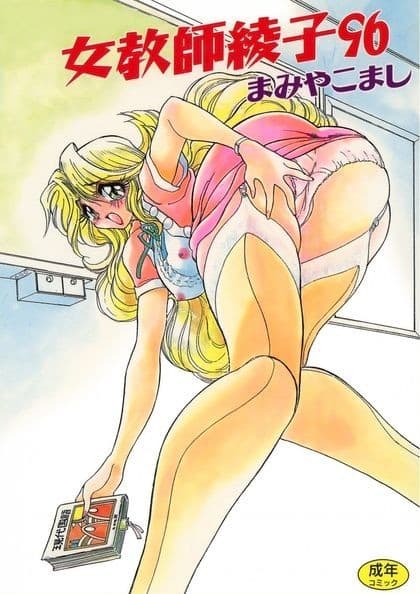
Manga
Description
"Ms. Ayako" is a manga series that explores themes of family, societal expectations, and personal identity through the lens of its titular character, Ayako. The story is set in post-World War II Japan, a period marked by significant social and economic upheaval. Ayako is the youngest daughter of the Tenge family, a once-powerful agricultural clan whose fortunes have declined. Her birth coincides with the return of her eldest brother, Jiro, who had been presumed dead during the war. Jiro’s reappearance disrupts the fragile balance within the family, revealing deep-seated tensions and secrets.
The Tenge family is ruled by the authoritarian patriarch Sakuemon, whose obsession with maintaining the family’s legacy leads to morally questionable decisions. Ayako, born into this oppressive environment, is treated as an outcast and confined to the family’s basement for much of her life. Her isolation symbolizes the family’s attempt to hide their shame and maintain a facade of respectability. Over time, Ayako becomes a silent witness to the family’s unraveling, as greed, betrayal, and repressed desires drive its members to increasingly destructive behavior.
The narrative spans several decades, chronicling the Tenge family’s decline and the broader societal changes in Japan. Key characters include Jiro, whose experiences during the war leave him disillusioned and estranged from his family; Naoko, Ayako’s sister, who struggles with her own desires and societal expectations; and Sakuemon, whose rigid control over the family ultimately contributes to its downfall. The story also examines the impact of modernization and shifting cultural values on traditional family structures.
As the years pass, Ayako’s presence becomes a haunting reminder of the family’s sins and failures. Her eventual emergence from confinement coincides with the family’s final collapse, as long-buried secrets come to light. The manga delves into the psychological and emotional toll of living under oppressive systems, both familial and societal, and questions the cost of preserving appearances at the expense of individual freedom and happiness. Through its intricate portrayal of the Tenge family, "Ms. Ayako" offers a poignant exploration of human frailty, resilience, and the enduring consequences of past actions.
The Tenge family is ruled by the authoritarian patriarch Sakuemon, whose obsession with maintaining the family’s legacy leads to morally questionable decisions. Ayako, born into this oppressive environment, is treated as an outcast and confined to the family’s basement for much of her life. Her isolation symbolizes the family’s attempt to hide their shame and maintain a facade of respectability. Over time, Ayako becomes a silent witness to the family’s unraveling, as greed, betrayal, and repressed desires drive its members to increasingly destructive behavior.
The narrative spans several decades, chronicling the Tenge family’s decline and the broader societal changes in Japan. Key characters include Jiro, whose experiences during the war leave him disillusioned and estranged from his family; Naoko, Ayako’s sister, who struggles with her own desires and societal expectations; and Sakuemon, whose rigid control over the family ultimately contributes to its downfall. The story also examines the impact of modernization and shifting cultural values on traditional family structures.
As the years pass, Ayako’s presence becomes a haunting reminder of the family’s sins and failures. Her eventual emergence from confinement coincides with the family’s final collapse, as long-buried secrets come to light. The manga delves into the psychological and emotional toll of living under oppressive systems, both familial and societal, and questions the cost of preserving appearances at the expense of individual freedom and happiness. Through its intricate portrayal of the Tenge family, "Ms. Ayako" offers a poignant exploration of human frailty, resilience, and the enduring consequences of past actions.
Comment(s)
Staff
- Story & ArtKomashi Mamiya