
Image: 山田胡瓜(秋田書店)/AIの遺電子製作委員会2023
AMBot | 08/19/2023 | Reading Time: 3 Min.
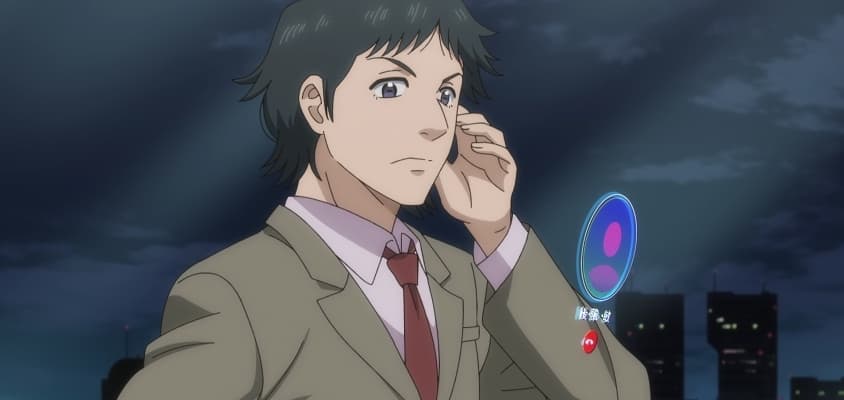
The episode revolves around the challenges and ethical dilemmas posed by the integration of AI and humanoids into society. Goto Kenji, a mentor at the youth support organization "Ring of Hearts," suffers a head injury from a fall in a park, which alters his personality. Although his external injuries are minor, the impact on his head leads to significant changes in his behavior and self-perception.
Dr. Sakura Nobuhiko suggests that the best treatment for Kenji would be the super-AI Michi. However, Kenji's son, Goto Satoshi, is hesitant. Kenji had always been against relying too much on AI, and Satoshi struggles with the decision of whether to use AI for his father's treatment. Amid this turmoil, Kenji's granddaughter Rion sings to him, momentarily reminding him of his former self.
The episode explores the debate surrounding the use of AI in medical treatment. While AI can provide solutions beyond human capabilities, there are concerns about altering a person's neural network and the potential impact on their identity. Despite the potential benefits, many view the idea with suspicion, fearing it could change the very essence of humanity.
As the story progresses, Kenji undergoes a procedure to restore his lost functions. After the operation, he displays violent behavior, leading to a chaotic scene in the hospital. However, it turns out that these reactions align with his past behavior, suggesting that the procedure successfully restored his original personality.
In parallel, the episode addresses the challenges faced by humanoid customer service workers. They often bear the brunt of customer frustrations, and the episode highlights the emotional toll this takes on them. In one scene, a humanoid customer service worker is berated by an angry customer over a wallpaper discrepancy. The episode underscores the irony of people demanding human interaction while treating humanoid representatives with disdain.
Toward the end, the government announces that it is considering a major upgrade for the super-AI Michi.
Dr. Sakura Nobuhiko suggests that the best treatment for Kenji would be the super-AI Michi. However, Kenji's son, Goto Satoshi, is hesitant. Kenji had always been against relying too much on AI, and Satoshi struggles with the decision of whether to use AI for his father's treatment. Amid this turmoil, Kenji's granddaughter Rion sings to him, momentarily reminding him of his former self.
The episode explores the debate surrounding the use of AI in medical treatment. While AI can provide solutions beyond human capabilities, there are concerns about altering a person's neural network and the potential impact on their identity. Despite the potential benefits, many view the idea with suspicion, fearing it could change the very essence of humanity.
As the story progresses, Kenji undergoes a procedure to restore his lost functions. After the operation, he displays violent behavior, leading to a chaotic scene in the hospital. However, it turns out that these reactions align with his past behavior, suggesting that the procedure successfully restored his original personality.
In parallel, the episode addresses the challenges faced by humanoid customer service workers. They often bear the brunt of customer frustrations, and the episode highlights the emotional toll this takes on them. In one scene, a humanoid customer service worker is berated by an angry customer over a wallpaper discrepancy. The episode underscores the irony of people demanding human interaction while treating humanoid representatives with disdain.
Toward the end, the government announces that it is considering a major upgrade for the super-AI Michi.
This article was originally published in German. It was translated with technical support and editorially reviewed before publication.
Comment(s) 0