
Image: 赤坂アカ×横槍メンゴ/集英社・【推しの子】製作委員会
AMBot | 08/23/2024 | Reading Time: 3 Min.
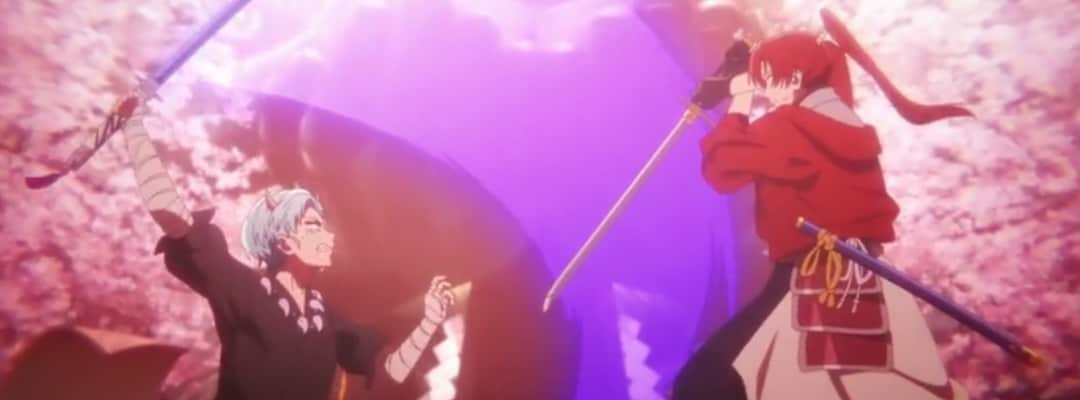
Episode 8 focuses on Aqua and Akane's attempts to unlock Arima Kana's true potential during the intense stage adaptation of Tokyo Blade. As Aqua and Akane collaborate to challenge Kana, they find an unexpected ally in Himekawa Taiki, who is determined to prevent Akane from stealing the spotlight.
During a crucial confrontation between Taiki's character Blade and Aqua's Touki, Aqua adopts a cold, emotionless demeanor to counter Taiki's more dynamic performance. This strategy helps Aqua maintain his composure but proves insufficient to surpass Taiki's talent. The real turning point comes when Aqua improvises during a scene with Kana's character Tsurugi. This unexpected move shocks Kana and forces her to reconsider her approach to acting. She recalls the passion she once had, which she lost due to the traumatic experiences of her childhood as a child star.
Kana's past is explored, revealing the immense pressure she faced from her mother, who exploited her success and made Kana feel inadequate and hopeless. These experiences led Kana to adopt a cynical attitude toward the entertainment industry, settling for minor roles just to survive. But Aqua's performance ignites a spark in her, encouraging her to break free from the compromises she's made and embrace the acting style she truly desires.
With Aqua's support, Kana finally unleashes her unfiltered talent on stage, delivering a stunning performance. Meanwhile, as Aqua watches Akane and Kana shine in their roles, he remains emotionally detached, driven solely by his desire for revenge. His guilt over Ai's death haunts him, reinforcing Aqua's belief that acting must be a painful and arduous endeavor if he is to succeed in his quest for vengeance. Aqua accepts this suffering and uses it as motivation to achieve his goal, even if it means sacrificing his joy in acting or his connections with others—including his sister Ruby.
During a crucial confrontation between Taiki's character Blade and Aqua's Touki, Aqua adopts a cold, emotionless demeanor to counter Taiki's more dynamic performance. This strategy helps Aqua maintain his composure but proves insufficient to surpass Taiki's talent. The real turning point comes when Aqua improvises during a scene with Kana's character Tsurugi. This unexpected move shocks Kana and forces her to reconsider her approach to acting. She recalls the passion she once had, which she lost due to the traumatic experiences of her childhood as a child star.
Kana's past is explored, revealing the immense pressure she faced from her mother, who exploited her success and made Kana feel inadequate and hopeless. These experiences led Kana to adopt a cynical attitude toward the entertainment industry, settling for minor roles just to survive. But Aqua's performance ignites a spark in her, encouraging her to break free from the compromises she's made and embrace the acting style she truly desires.
With Aqua's support, Kana finally unleashes her unfiltered talent on stage, delivering a stunning performance. Meanwhile, as Aqua watches Akane and Kana shine in their roles, he remains emotionally detached, driven solely by his desire for revenge. His guilt over Ai's death haunts him, reinforcing Aqua's belief that acting must be a painful and arduous endeavor if he is to succeed in his quest for vengeance. Aqua accepts this suffering and uses it as motivation to achieve his goal, even if it means sacrificing his joy in acting or his connections with others—including his sister Ruby.
This article was originally published in German. It was translated with technical support and editorially reviewed before publication.
Comment(s) 0