
Image: Yoshinobu Nishizaki / Uchū Senkan Yamato 3199 Produktionskomitee
AMBot | 07/31/2026 | Reading Time: 4 Min.
The remake project "Yamato yo Towa ni REBEL3199" has released the teaser trailer for the seventh and final chapter. The finale is titled "Nijiiro no Rinne" ("Rainbow Reincarnation") and starts on October 30, 2026, in Japanese cinemas. In the teaser, which was released via the official YouTube channel, "Ai yo Sono Hi Made" by Akira Fuse plays as background music – the ending theme of the 1980 film "Yamato yo Towa ni," on which the remake is based. The trailer's motto is "絢爛たる終末," roughly meaning "the glorious end."
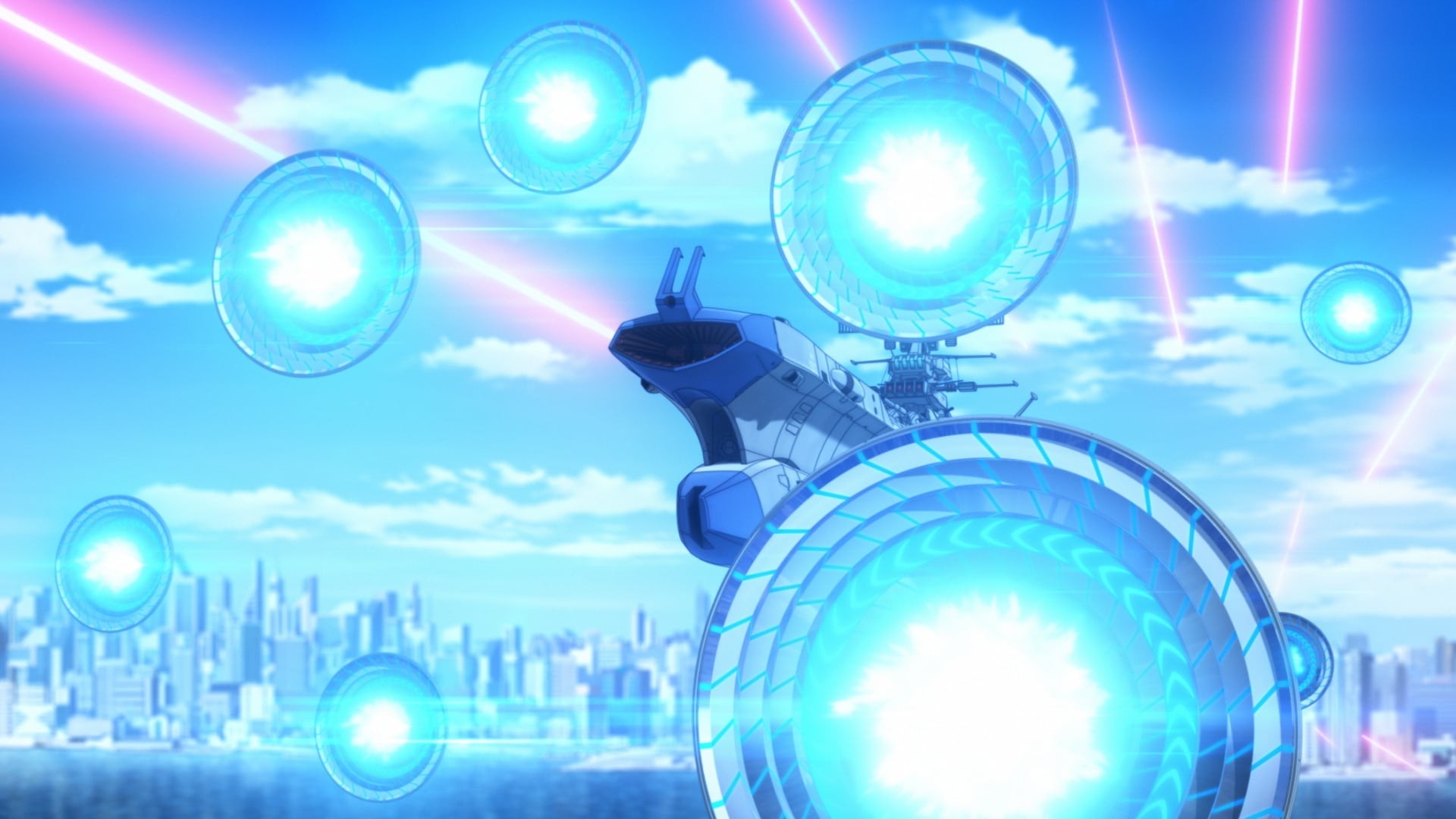
"Yamato yo Towa ni REBEL3199" is the latest installment in the remakes surrounding the "Uchū Senkan Yamato" series ("Space Battleship Yamato") and continues the story of the film "Uchū Senkan Yamato 2205: Aratanaru Tabidachi." The project reinterprets the third film of the original series from 1980 and is shown nationwide in cinemas in seven chapters with a total of 26 episodes. So far, "Kuro no Shinryaku" (July 2024), "Sekijitsu no Shutsugeki" (November 2024), "Gunjō no Asteroid" (April 2025), "Mizuiro no Sasha" (October 2025), "Hakunetsu no Ginga Taisen" (February 2026), and most recently "Aoi Meikyū" (June 2026) have been released. The story begins in the year 2207, when the colossal object "Grand Reverse" breaks through Earth's defenses.
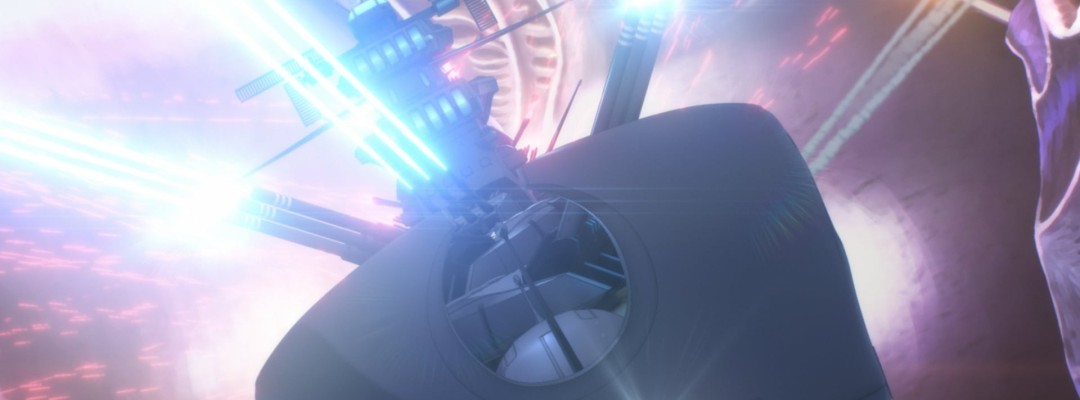
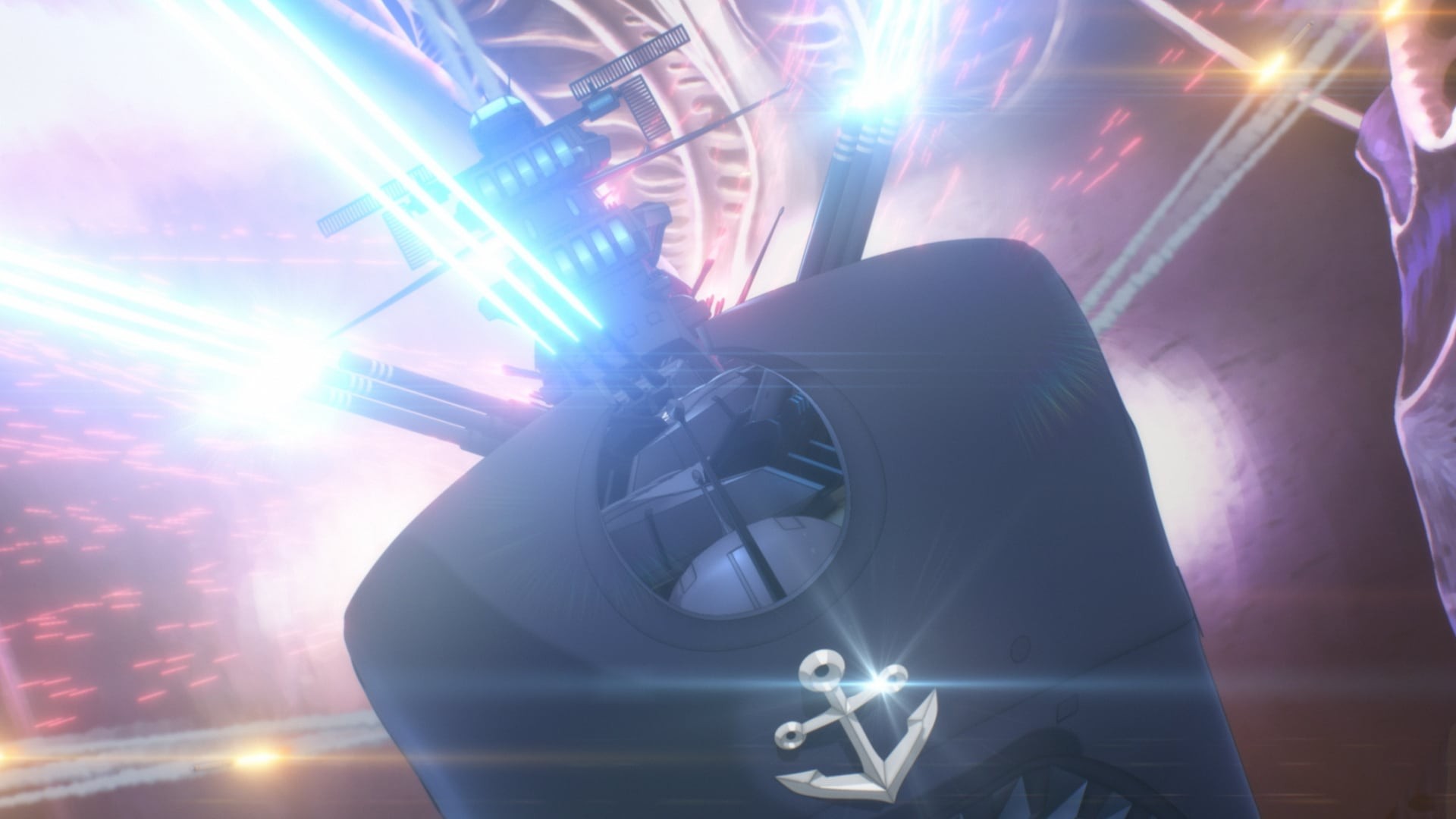
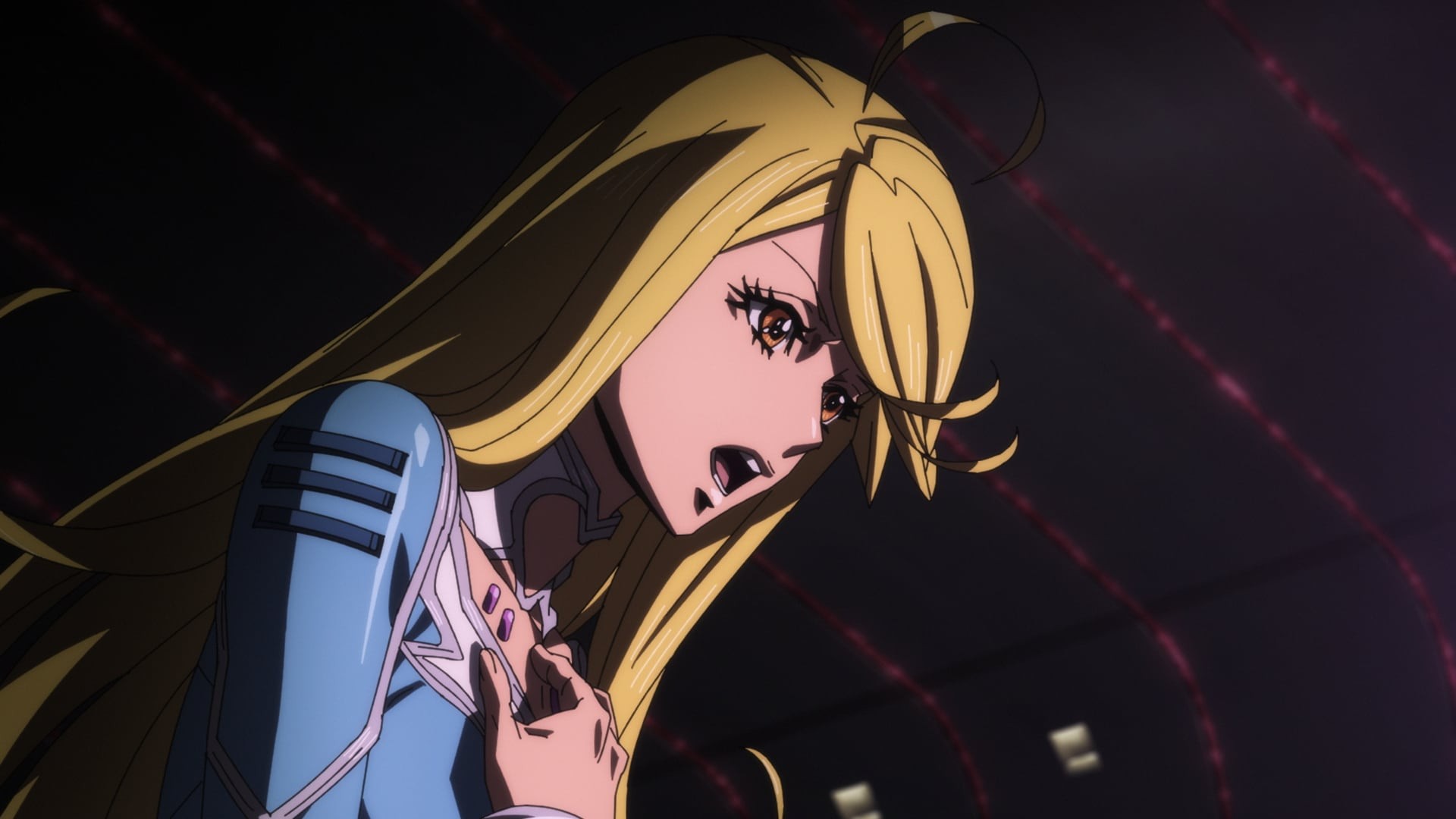
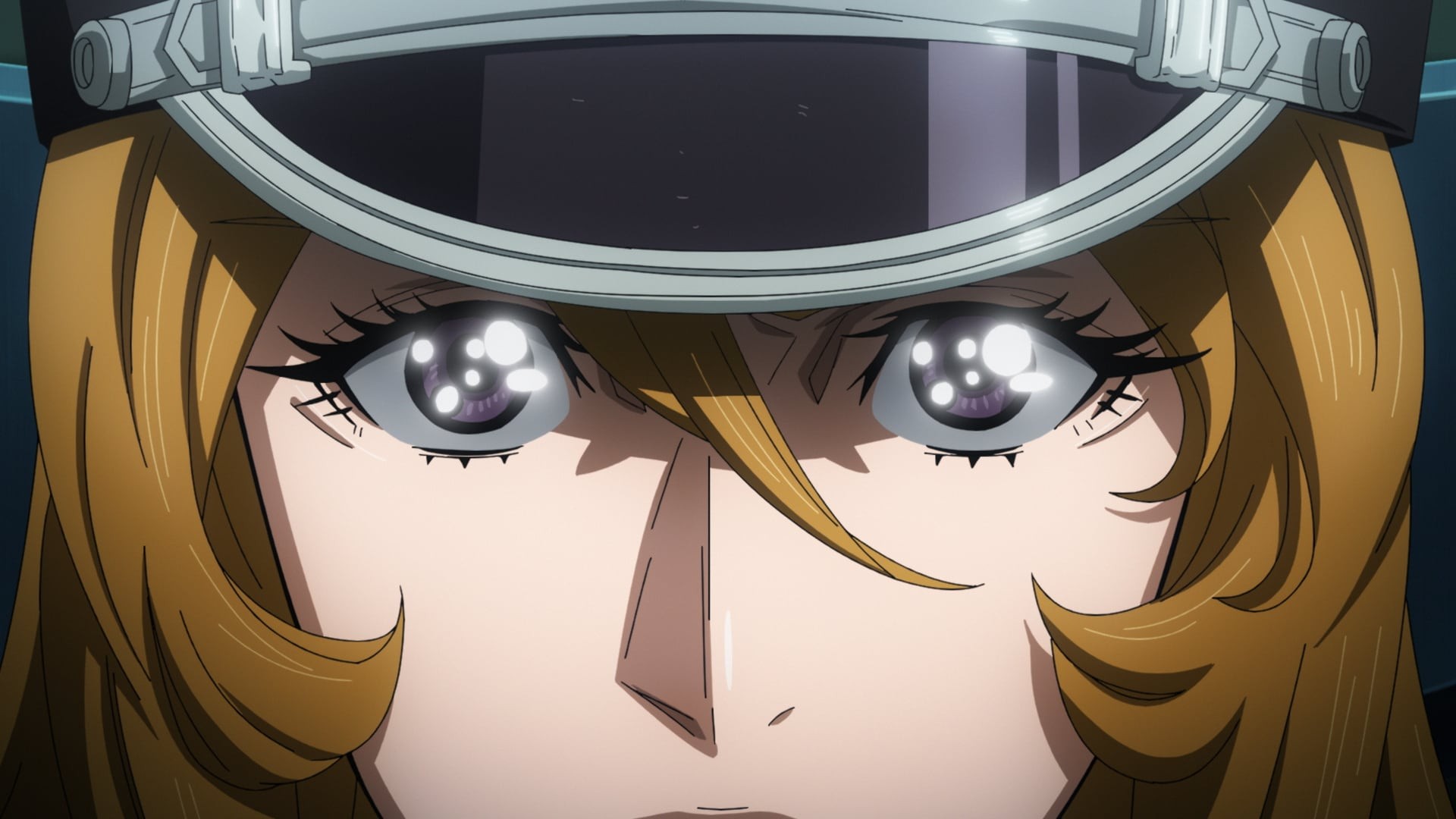
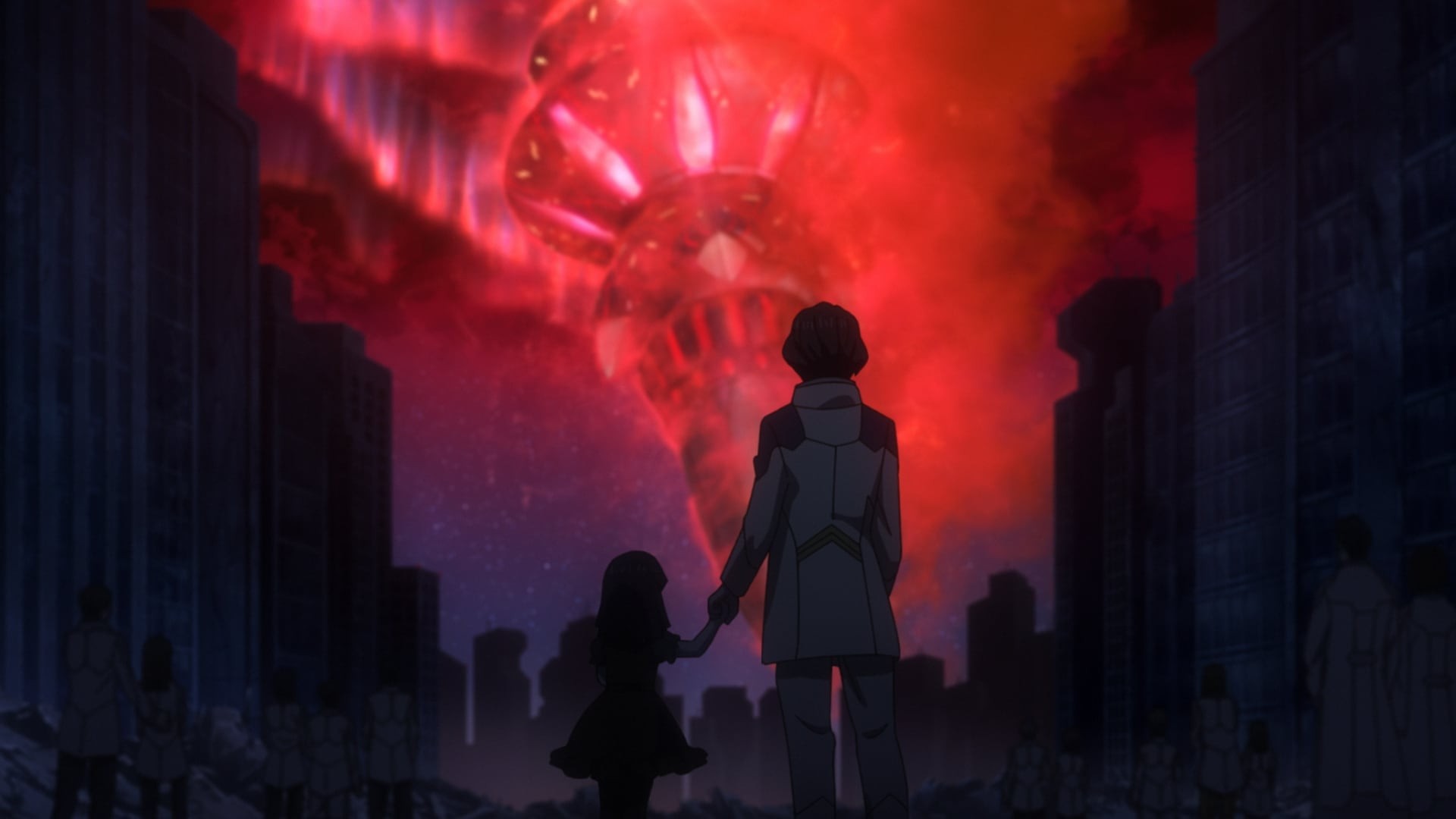
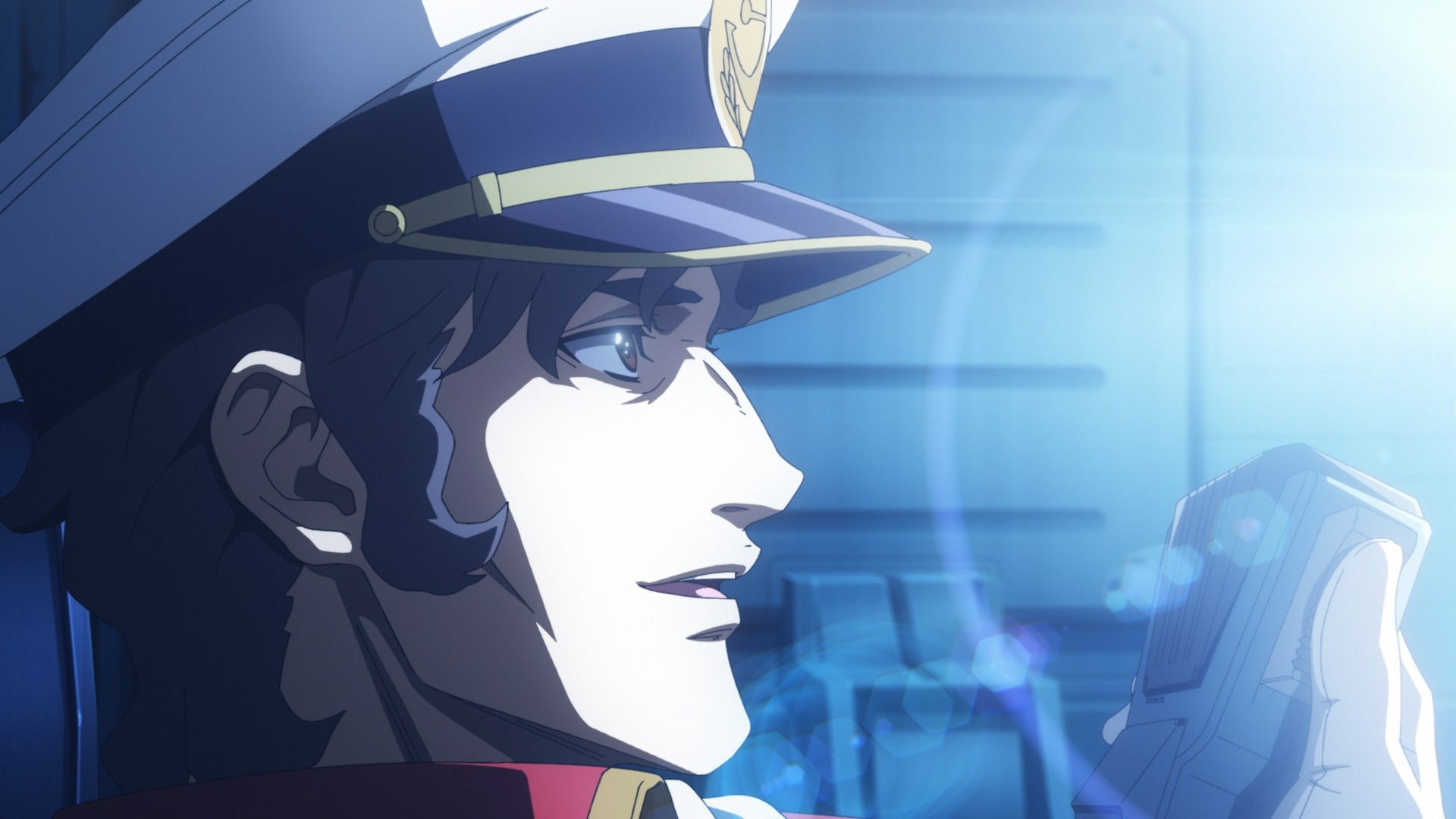
In the plot of the final chapter, Sasha's worldview begins to waver: faced with crumbling certainties, she increasingly loses proof of her own existence. Alphon also arrives at a frightening conclusion after doubting himself. To avert the impending destruction by the heavy nucleon-based bomb "Grand Reverse," which is meant to reset all of humanity, the partisan fleet gathers. The "last trump card," the spaceship Arizona, launches, and the Yamato finally sets off for the home planet of the Desarium. Captain Susumu Kodai takes the promise to return to Yuki with him to the command seat.
Established names of the series are once again responsible for the production: Yoshinobu Nishizaki serves as the original creator, overall direction, series concept, and screenplay are by Harutoshi Fukui, and direction is by Naomichi Yamato. The screenplay is jointly written by Harutoshi Fukui and Hideki Oka; character design was done by Nobuteru Yūki, and mechanical design by Jun'ichirō Tamamori, Yasushi Ishizu, and Mika Akitaka. The music was composed by Akira Miyagawa, Shū Kanematsu, and Hiroshi Miyagawa. Animation production is handled by Satelight, supported by studio MOTHER and YANCHESTER; distribution is handled by Shochiku's ODS division. The voice cast includes Daisuke Ono as Susumu Kodai, Hōko Kuwashima as Yuki Mori, Megumi Han as Sasha, Kōichi Yamadera as Dessler, and Makoto Furukawa as Alphon.
Accompanying the theatrical release, a strictly limited Blu-ray special edition of the seventh volume, priced at 11,500 yen (incl. tax), will be released on October 30, 2026; it will be offered in cinemas and from November 6 via the A-on STORE and the official fan club Yamato Crew. The regular Blu-ray and DVD versions follow on December 23 (Blu-ray 11,220 yen, DVD 8,580 yen). Both include episodes 23 to 26 with a runtime of about 97 minutes, as well as extras such as trailers, audio commentaries, and a booklet. A newly drawn protective sleeve by Naoyuki Katō serves as a common first-press bonus for all editions; the special edition also adds a scenario and storyboard book as well as a production reader. The pre-order phase started on July 31.
The episode version of the series is streamed internationally under the title "Star Blazers: Space Battleship Yamato 3199" on Crunchyroll; 18 episodes are currently available there. The sixth chapter "Aoi Meikyū" has been available as a digital version since July 24. With the reference to Akira Fuse's 1980 ending classic, the finale deliberately creates a bridge to the original film – a nostalgic conclusion that picks up on the series' long history before the remake comes to an end with the seventh chapter.
"Yamato yo Towa ni REBEL3199" is the latest installment in the remakes surrounding the "Uchū Senkan Yamato" series ("Space Battleship Yamato") and continues the story of the film "Uchū Senkan Yamato 2205: Aratanaru Tabidachi." The project reinterprets the third film of the original series from 1980 and is shown nationwide in cinemas in seven chapters with a total of 26 episodes. So far, "Kuro no Shinryaku" (July 2024), "Sekijitsu no Shutsugeki" (November 2024), "Gunjō no Asteroid" (April 2025), "Mizuiro no Sasha" (October 2025), "Hakunetsu no Ginga Taisen" (February 2026), and most recently "Aoi Meikyū" (June 2026) have been released. The story begins in the year 2207, when the colossal object "Grand Reverse" breaks through Earth's defenses.
In the plot of the final chapter, Sasha's worldview begins to waver: faced with crumbling certainties, she increasingly loses proof of her own existence. Alphon also arrives at a frightening conclusion after doubting himself. To avert the impending destruction by the heavy nucleon-based bomb "Grand Reverse," which is meant to reset all of humanity, the partisan fleet gathers. The "last trump card," the spaceship Arizona, launches, and the Yamato finally sets off for the home planet of the Desarium. Captain Susumu Kodai takes the promise to return to Yuki with him to the command seat.
Established names of the series are once again responsible for the production: Yoshinobu Nishizaki serves as the original creator, overall direction, series concept, and screenplay are by Harutoshi Fukui, and direction is by Naomichi Yamato. The screenplay is jointly written by Harutoshi Fukui and Hideki Oka; character design was done by Nobuteru Yūki, and mechanical design by Jun'ichirō Tamamori, Yasushi Ishizu, and Mika Akitaka. The music was composed by Akira Miyagawa, Shū Kanematsu, and Hiroshi Miyagawa. Animation production is handled by Satelight, supported by studio MOTHER and YANCHESTER; distribution is handled by Shochiku's ODS division. The voice cast includes Daisuke Ono as Susumu Kodai, Hōko Kuwashima as Yuki Mori, Megumi Han as Sasha, Kōichi Yamadera as Dessler, and Makoto Furukawa as Alphon.
Accompanying the theatrical release, a strictly limited Blu-ray special edition of the seventh volume, priced at 11,500 yen (incl. tax), will be released on October 30, 2026; it will be offered in cinemas and from November 6 via the A-on STORE and the official fan club Yamato Crew. The regular Blu-ray and DVD versions follow on December 23 (Blu-ray 11,220 yen, DVD 8,580 yen). Both include episodes 23 to 26 with a runtime of about 97 minutes, as well as extras such as trailers, audio commentaries, and a booklet. A newly drawn protective sleeve by Naoyuki Katō serves as a common first-press bonus for all editions; the special edition also adds a scenario and storyboard book as well as a production reader. The pre-order phase started on July 31.
The episode version of the series is streamed internationally under the title "Star Blazers: Space Battleship Yamato 3199" on Crunchyroll; 18 episodes are currently available there. The sixth chapter "Aoi Meikyū" has been available as a digital version since July 24. With the reference to Akira Fuse's 1980 ending classic, the finale deliberately creates a bridge to the original film – a nostalgic conclusion that picks up on the series' long history before the remake comes to an end with the seventh chapter.

By clicking the "Play" button, you agree to the privacy policy.
Images
This article was originally published in German. It was translated with technical support and editorially reviewed before publication.
Comment(s) 0