
TV-Series
Description
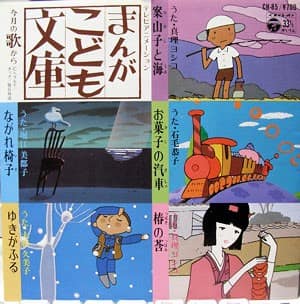
"Manga Kodomo Bunko" is an anime series that adapts classic Japanese children's literature into animated form, presenting a collection of short stories that reflect themes of childhood, morality, and human relationships. Each episode stands independently, offering a self-contained narrative that often carries a moral or emotional lesson. The series draws from a rich tradition of Japanese storytelling, blending historical and cultural elements with universal themes that resonate across generations.
The stories vary widely in setting and tone, ranging from heartwarming tales of friendship and perseverance to more somber reflections on loss and hardship. For example, one episode might depict a young boy navigating the challenges of rural life in early 20th-century Japan, while another could explore the bond between a child and an elderly family member, emphasizing the importance of empathy and understanding. The characters are often ordinary children placed in extraordinary or emotionally charged situations, allowing the audience to connect with their struggles and triumphs.
The animation style is simple yet evocative, designed to complement the nostalgic and timeless quality of the source material. The pacing of each episode is deliberate, allowing the emotional weight of the story to unfold naturally. While the series is aimed at younger audiences, its themes and storytelling have a broad appeal, making it accessible to viewers of all ages. The music and sound design further enhance the atmosphere, often incorporating traditional Japanese instruments to underscore the cultural context of the narratives.
Overall, "Manga Kodomo Bunko" serves as a bridge between generations, preserving and revitalizing classic children's stories through the medium of animation. Its episodic structure and focus on moral and emotional lessons make it a distinctive entry in the realm of family-oriented anime.
The stories vary widely in setting and tone, ranging from heartwarming tales of friendship and perseverance to more somber reflections on loss and hardship. For example, one episode might depict a young boy navigating the challenges of rural life in early 20th-century Japan, while another could explore the bond between a child and an elderly family member, emphasizing the importance of empathy and understanding. The characters are often ordinary children placed in extraordinary or emotionally charged situations, allowing the audience to connect with their struggles and triumphs.
The animation style is simple yet evocative, designed to complement the nostalgic and timeless quality of the source material. The pacing of each episode is deliberate, allowing the emotional weight of the story to unfold naturally. While the series is aimed at younger audiences, its themes and storytelling have a broad appeal, making it accessible to viewers of all ages. The music and sound design further enhance the atmosphere, often incorporating traditional Japanese instruments to underscore the cultural context of the narratives.
Overall, "Manga Kodomo Bunko" serves as a bridge between generations, preserving and revitalizing classic children's stories through the medium of animation. Its episodic structure and focus on moral and emotional lessons make it a distinctive entry in the realm of family-oriented anime.
Comment(s)
Staff
- Chief DirectorTsuneo Maeda
- Episode Director
- Original story
- ScriptMasahiro YamadaHiroshi KawasakiMinoru BetsuyakuAzuma MorisakiSeiichi Yashiro
- ProducerIppei Onimaru
Production
- ProductionGroup TAC