TV-Series
Description
"Ohayō Ninja-Tai Gatchaman" is a 2013 anime series that reimagines the classic 1970s "Science Ninja Team Gatchaman" franchise with a comedic and lighthearted tone. The story centers around a group of five young ninjas who form the Gatchaman team, tasked with protecting Earth from the alien organization known as Galactor. The team operates under the guidance of Dr. Kozaburō Nambu, a scientist who provides them with advanced technology and missions to thwart Galactor's plans.
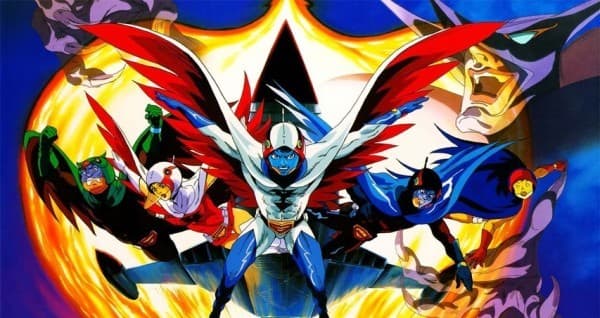
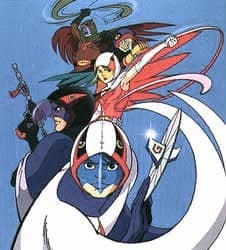
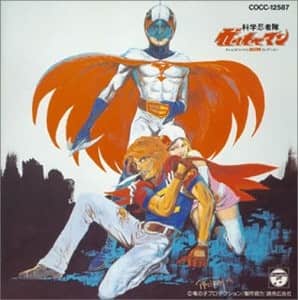
The Gatchaman team consists of Ken Washio, the confident and skilled leader; Joe Asakura, the sharp and resourceful strategist; Jun Shiratori, the agile and perceptive member; Jinpei Tsubakurō, the youngest and most energetic of the group; and Ryū Nakanishi, the strong and dependable powerhouse. Each member possesses unique abilities and wears a specialized suit that enhances their combat skills, allowing them to transform into their Gatchaman forms to battle Galactor's forces.
Galactor, led by the enigmatic Berg Katse, seeks to conquer Earth by deploying monstrous mecha creatures called Mechas to wreak havoc. The Gatchaman team frequently engages in high-stakes battles against these Mechas, utilizing their teamwork, individual talents, and the advanced technology provided by Dr. Nambu. The series balances action-packed sequences with comedic moments, often highlighting the quirky personalities of the team members and their interactions with one another.
Throughout the series, the Gatchaman team faces various challenges, both in their missions and in their personal lives. The narrative explores themes of camaraderie, responsibility, and the importance of protecting the planet, while maintaining a playful and episodic structure. The tone is distinctly more humorous compared to the original series, with exaggerated character expressions and situational comedy playing a significant role in the storytelling.
The series also introduces new elements and reinterpretations of classic characters and concepts from the original franchise, offering a fresh take for both longtime fans and newcomers. The dynamic between the team members and their evolving relationships with Dr. Nambu and their adversaries add depth to the narrative, ensuring a blend of action, humor, and character development.
The Gatchaman team consists of Ken Washio, the confident and skilled leader; Joe Asakura, the sharp and resourceful strategist; Jun Shiratori, the agile and perceptive member; Jinpei Tsubakurō, the youngest and most energetic of the group; and Ryū Nakanishi, the strong and dependable powerhouse. Each member possesses unique abilities and wears a specialized suit that enhances their combat skills, allowing them to transform into their Gatchaman forms to battle Galactor's forces.
Galactor, led by the enigmatic Berg Katse, seeks to conquer Earth by deploying monstrous mecha creatures called Mechas to wreak havoc. The Gatchaman team frequently engages in high-stakes battles against these Mechas, utilizing their teamwork, individual talents, and the advanced technology provided by Dr. Nambu. The series balances action-packed sequences with comedic moments, often highlighting the quirky personalities of the team members and their interactions with one another.
Throughout the series, the Gatchaman team faces various challenges, both in their missions and in their personal lives. The narrative explores themes of camaraderie, responsibility, and the importance of protecting the planet, while maintaining a playful and episodic structure. The tone is distinctly more humorous compared to the original series, with exaggerated character expressions and situational comedy playing a significant role in the storytelling.
The series also introduces new elements and reinterpretations of classic characters and concepts from the original franchise, offering a fresh take for both longtime fans and newcomers. The dynamic between the team members and their evolving relationships with Dr. Nambu and their adversaries add depth to the narrative, ensuring a blend of action, humor, and character development.
Comment(s)