TV-Series
Description
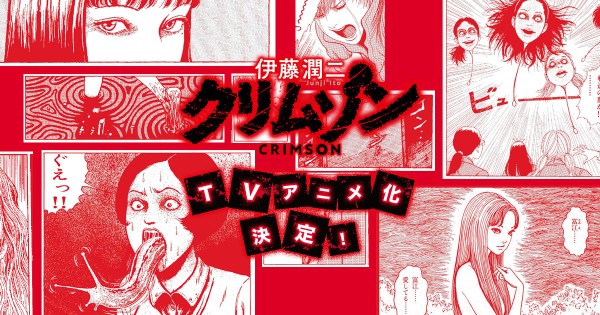
In Junji Ito Crimson, the master of horror manga returns to animation with a new anthology series that takes its name and thematic core from the color of blood, obsession, and visceral dread. The series is conceived as a collection of self-contained episodes that adapt a selection of Ito's most memorable short stories, carefully chosen for their ability to fully utilize an intense palette centered on the color crimson. The unifying concept for this volume is "monsters," promising to bring to life a gallery of grotesque and psychologically unsettling creatures that lurk within the mundane.
The setting shifts between the recognizable yet off-kilter locations that define Ito's work, from ordinary suburban neighborhoods and schools to mysterious coastal towns and isolated mountain passes. Each episode introduces new protagonists confronted by a unique horror, yet recurring iconic figures from Ito's bibliography are also set to appear, including the eternally youthful and malevolent beauty Tomie, the mischievous and cursed child Sōichi, and the long-necked, hair-obsessed Fuchi. The narrative arcs are drawn from both classic and more recent tales, with fans speculating about potential adaptations of renowned stories such as The Enigma of Amigara Fault, where people are compelled to enter perfectly person-shaped holes in a mountainside, or The Long Dream, which explores the physical toll of experiencing decades of nightmares in a single night.
What distinguishes Junji Ito Crimson from previous adaptations is its stated focus on atmosphere and visual fidelity. The production aims to capture the intricate, labyrinthine detail of Ito's original artwork, a challenge that has eluded many prior animated versions. The series is built around a specific aesthetic intent, using the titular crimson not just as a gore effect but as a narrative device to heighten the emotional intensity and creeping madness inherent in the source material. This approach is further underscored by the opening theme, performed by legendary Japanese singer-songwriter Yumi Matsutoya, whose nostalgic pop sound is deliberately juxtaposed with the grotesque imagery to create a uniquely unsettling atmosphere. The series strives to immerse viewers in the eerie, bizarre, and wholly original world where the body rebels, sanity frays, and the color of blood stains every shadow.
The setting shifts between the recognizable yet off-kilter locations that define Ito's work, from ordinary suburban neighborhoods and schools to mysterious coastal towns and isolated mountain passes. Each episode introduces new protagonists confronted by a unique horror, yet recurring iconic figures from Ito's bibliography are also set to appear, including the eternally youthful and malevolent beauty Tomie, the mischievous and cursed child Sōichi, and the long-necked, hair-obsessed Fuchi. The narrative arcs are drawn from both classic and more recent tales, with fans speculating about potential adaptations of renowned stories such as The Enigma of Amigara Fault, where people are compelled to enter perfectly person-shaped holes in a mountainside, or The Long Dream, which explores the physical toll of experiencing decades of nightmares in a single night.
What distinguishes Junji Ito Crimson from previous adaptations is its stated focus on atmosphere and visual fidelity. The production aims to capture the intricate, labyrinthine detail of Ito's original artwork, a challenge that has eluded many prior animated versions. The series is built around a specific aesthetic intent, using the titular crimson not just as a gore effect but as a narrative device to heighten the emotional intensity and creeping madness inherent in the source material. This approach is further underscored by the opening theme, performed by legendary Japanese singer-songwriter Yumi Matsutoya, whose nostalgic pop sound is deliberately juxtaposed with the grotesque imagery to create a uniquely unsettling atmosphere. The series strives to immerse viewers in the eerie, bizarre, and wholly original world where the body rebels, sanity frays, and the color of blood stains every shadow.
Comment(s)
Staff
- Original creator
Relations
Recommendations based on shared tags.