TV-Series
Description
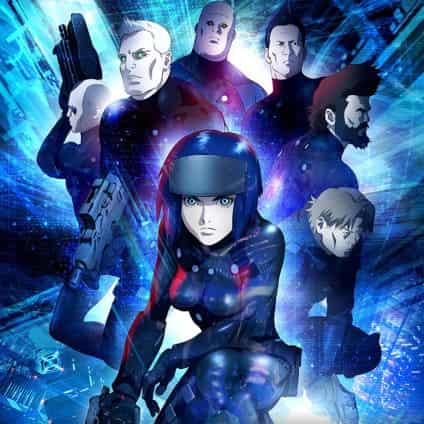
"Ghost in the Shell Arise: Alternative Architecture" is a 10-episode anime series that re-edits and expands upon the four-part OVA series "Ghost in the Shell: Arise." The narrative is set in a futuristic world where cybernetic enhancements and artificial intelligence are commonplace, exploring themes of identity, technology, and political intrigue. The story centers on Motoko Kusanagi, a skilled operative and hacker, as she forms Public Security Section 9, a specialized counter-cyberterrorism unit.
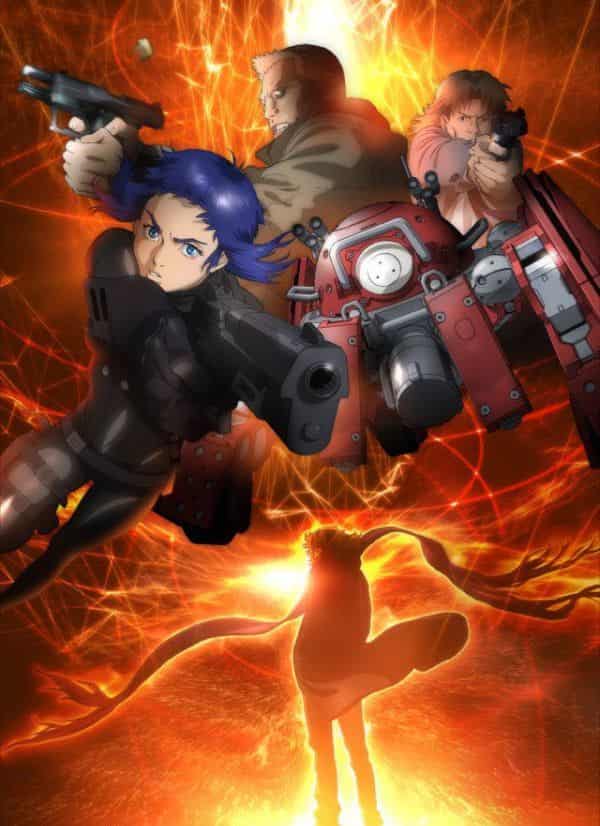
The series begins with Kusanagi investigating a series of cyberattacks linked to a mysterious hacker known as Fire-Starter. These attacks are tied to a covert military project called "501 Organization," which experiments with advanced cyberbrain technology. As Kusanagi delves deeper, she uncovers a conspiracy involving government corruption, illegal arms deals, and the manipulation of human consciousness. Her journey intersects with key figures such as Batou, a former soldier with a strong sense of justice; Togusa, a detective with a more human-centric perspective; and Aramaki, a seasoned strategist who becomes the leader of Section 9.
Throughout the series, Kusanagi confronts her own identity and the nature of her existence as a cyborg, grappling with questions of individuality and the boundaries between human and machine. The narrative also explores the ethical implications of cybernetic enhancements and the potential for technology to be weaponized. The final episodes introduce a new threat in the form of "Logicoma," autonomous AI-driven tanks that pose a significant risk to national security, further testing the resolve and capabilities of the newly formed Section 9.
The series blends action, mystery, and philosophical inquiry, maintaining a focus on the interplay between technology and humanity. It serves as a prequel to the broader "Ghost in the Shell" franchise, providing insight into the origins of Section 9 and the relationships between its core members. The re-edited format of "Alternative Architecture" includes additional scenes and a restructured narrative flow, offering a more cohesive viewing experience while retaining the core themes and plotlines of the original "Arise" series.
The series begins with Kusanagi investigating a series of cyberattacks linked to a mysterious hacker known as Fire-Starter. These attacks are tied to a covert military project called "501 Organization," which experiments with advanced cyberbrain technology. As Kusanagi delves deeper, she uncovers a conspiracy involving government corruption, illegal arms deals, and the manipulation of human consciousness. Her journey intersects with key figures such as Batou, a former soldier with a strong sense of justice; Togusa, a detective with a more human-centric perspective; and Aramaki, a seasoned strategist who becomes the leader of Section 9.
Throughout the series, Kusanagi confronts her own identity and the nature of her existence as a cyborg, grappling with questions of individuality and the boundaries between human and machine. The narrative also explores the ethical implications of cybernetic enhancements and the potential for technology to be weaponized. The final episodes introduce a new threat in the form of "Logicoma," autonomous AI-driven tanks that pose a significant risk to national security, further testing the resolve and capabilities of the newly formed Section 9.
The series blends action, mystery, and philosophical inquiry, maintaining a focus on the interplay between technology and humanity. It serves as a prequel to the broader "Ghost in the Shell" franchise, providing insight into the origins of Section 9 and the relationships between its core members. The re-edited format of "Alternative Architecture" includes additional scenes and a restructured narrative flow, offering a more cohesive viewing experience while retaining the core themes and plotlines of the original "Arise" series.
Comment(s)
No entries available.
Relations
Anime overview